
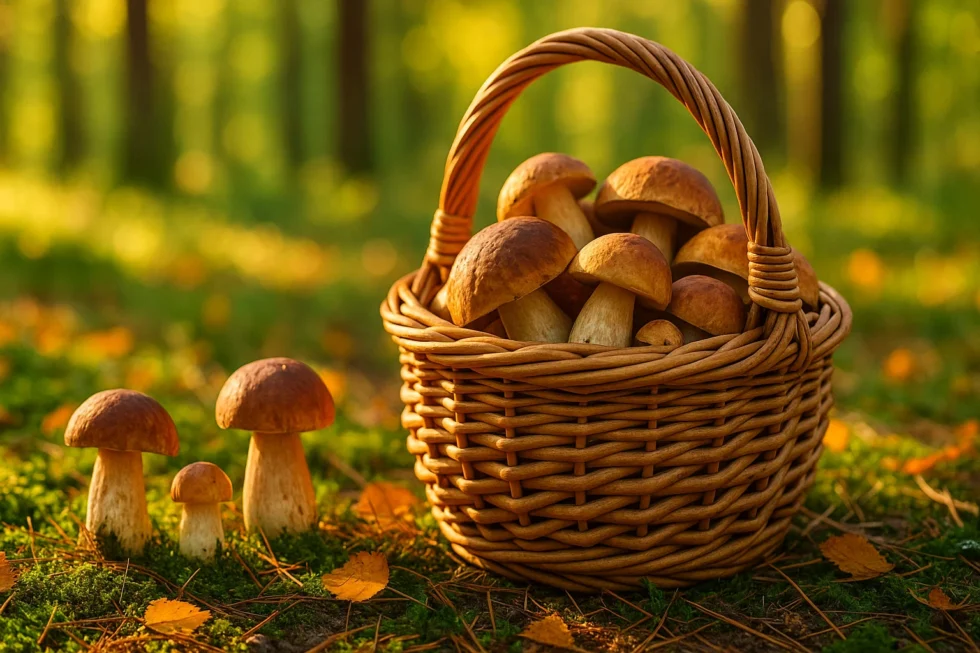
Wild mushroom picking in London has become increasingly popular in 2025, as more urban dwellers seek outdoor activities, fresh food, and a connection with nature. The city and surrounding areas, including Greater London parks, woodlands, and green belts, provide opportunities to collect edible fungi such as chanterelles, puffballs, and field mushrooms. However, legal restrictions, safety considerations, and urban pollution must be taken into account. Beginners should learn which mushrooms are edible, which are poisonous, and where picking is legally allowed. Experienced foragers emphasize preparation, observation, and respecting park rules to avoid fines or ecological damage. As The WP Times notes, knowing your local laws, forest zones, and proper harvesting techniques is essential for a safe and productive mushroom season in London.
Legal Rules for Mushroom Foraging in London
Picking mushrooms in London is subject to strict rules to protect public parks, wildlife, and private lands:
- Public Parks: Many London parks allow small-scale mushroom picking for personal use, but commercial collection is prohibited.
- Private Lands: Permission is required from landowners. Trespassing can lead to legal action.
- Protected Areas: Sites such as nature reserves or Sites of Special Scientific Interest (SSSIs) strictly prohibit foraging.
- Quantity Limits: Foragers should limit collection to what they can reasonably consume.
Understanding the law ensures that mushroom picking is safe and sustainable. Ignoring restrictions may result in fines, confiscation of harvested mushrooms, and damage to ecosystems. Beginners should always check park websites or local council regulations before heading out.
For first-time mushroom pickers, following these rules not only keeps you legal but also fosters responsible harvesting habits. Observing signs about flora and fauna helps you choose areas where foraging is permitted, reducing conflicts with authorities and minimizing environmental impact.
Best Mushroom Spots in London 2025
London may seem urban, but it has many green spaces where mushrooms thrive. Here are the top legal locations with brief descriptions and links to Google Maps:
Epping Forest
Address: Epping Forest, Loughton IG10 4AB
Epping Forest is a large ancient woodland with oak and beech trees, ideal for chanterelles, puffballs, and honey mushrooms. Early mornings after rainfall offer the best results. Beginners can stick to marked trails while experienced collectors can explore deeper forest areas.
Collecting mushrooms here provides not only fresh produce but also a unique outdoor experience. The dense forest supports a rich variety of edible fungi, and spotting wildlife along the trails is a bonus. Many foragers combine their trips with walking or photography.
Richmond Park
Address: Richmond Park, Richmond TW10 5HS
Richmond Park offers large grassy meadows and scattered woodlands perfect for field mushrooms and puffballs. Visitors should stick to public areas and avoid restricted zones.
The park’s varied terrain encourages exploration while respecting wildlife habitats. Mushrooms often appear near tree bases and in shaded grassy patches. Foragers are advised to check signs and park regulations before harvesting.
Hampstead Heath
Address: Hampstead Heath, London NW3 1BP
Hampstead Heath is known for its mixed woodland and meadows, supporting edible fungi like chanterelles, shaggy ink caps, and puffballs. Picking is allowed only in non-protected areas.
Foragers should be cautious of soil contamination near pathways or urban areas. Early morning and post-rain conditions increase yield. Beginners may prefer guided walks or joining local foraging clubs.
Bushy Park
Address: Bushy Park, Teddington TW11 0LN
Bushy Park contains mature trees and forested areas where edible mushrooms flourish. Field mushrooms and puffballs are common after wet weather.
Exploring Bushy Park provides an educational opportunity to learn about forest ecosystems, seasonal changes, and safe foraging practices. Beginners should avoid picking near children’s play areas or heavily trafficked paths.
Wanstead Flats
Address: Wanstead Flats, London E11 2RX
Wanstead Flats offers open grassy areas and patches of woodland where mushrooms like puffballs and small field species grow. Harvesting should be moderate and limited to personal use.
The Flats are particularly suitable for beginners due to easy access and open visibility, which makes identifying mushrooms simpler. Post-rain humidity encourages fast growth, so timing your visits is crucial. Foragers are advised to respect other visitors and avoid overharvesting.
How to Identify Poisonous Mushrooms
| Poisonous Mushroom | Edible Look-Alike | How to Tell Apart |
|---|---|---|
| Death Cap | Field Mushroom | Greenish cap, white gills, unpleasant odor |
| False Chanterelle | Chanterelle | Orange hue, solid stem, lacks fruity scent |
| Fly Agaric | Puffball | Red cap with white spots |
| Destroying Angel | Button Mushroom | White volva at stalk base, smooth cap |
| Bitter Bolete | King Bolete | Extremely bitter taste, pinkish flesh |
Knowing the differences is crucial. Mistaking a poisonous mushroom for an edible one can be fatal. Beginners should use multiple identification methods, such as guidebooks, apps, and field experience. Paying attention to cap color, stem structure, smell, and environment greatly reduces risk.
Tips for Beginners
In addition to the basic rules, beginners should focus on building experience gradually. Start by observing mushrooms without picking them to learn their habitats, sizes, and shapes. Document your finds with notes or photos to track patterns and seasonal growth. Use reputable field guides or mobile apps to confirm species before harvesting. Always go with a friend or join a local foraging group to benefit from shared knowledge and safety. Foraging is not only about collecting mushrooms but also about enjoying nature, learning about ecosystems, and respecting the flora and fauna of each park. Remember, patience and careful observation are key: mushroom picking requires time, attention, and a respectful approach to the environment. Even small harvests are valuable if collected responsibly.
Best Time and Weather Conditions
Mushrooms in London grow fastest under specific conditions, usually following rainfall and in moderate temperatures. The early morning is ideal because humidity is higher and mushrooms are fresher. Pay attention to microclimates: shaded areas under trees, damp soil, and forest edges often yield better specimens. Avoid harvesting after long dry spells, as fungi may be sparse or dried out. Observing lunar phases, as traditional foragers do, can also help identify peak growth periods. Additionally, tracking local weather forecasts, especially humidity and precipitation, can guide when and where to go. By understanding the timing and conditions, foragers can increase both the quantity and quality of their harvest.
Culinary Ideas for Your Harvest
Once mushrooms are collected, the culinary possibilities are extensive. Fresh mushrooms can enhance soups, risottos, and pasta sauces with earthy flavors. Sautéing with butter, garlic, and herbs is a classic method to bring out their taste. Pickling or fermenting mushrooms allows you to preserve them for months while adding unique flavors to meals. Drying mushrooms is another excellent method for long-term storage, perfect for winter cooking. Mushrooms can also be stuffed, baked, or used in sauces to accompany meat and vegetarian dishes. Local restaurants increasingly incorporate foraged mushrooms into seasonal menus, offering inspiration for home cooks. Always clean and process mushrooms the same day they are collected to maximize freshness and safety.
Preparing for the 2025 Mushroom Season
Preparation is critical for a successful and safe mushroom foraging season. Start by checking your gear: baskets or ventilated containers, sharp knives, comfortable clothing, and durable footwear suitable for forest terrain. Plan your routes ahead and ensure your phone is charged; a GPS or compass is recommended, especially for larger parks. Bring water, snacks, and a small first aid kit in case of minor injuries. Connecting with local mushroom clubs or online communities allows you to learn about recent sightings, ideal spots, and seasonal changes. Preparation also includes familiarizing yourself with local regulations and knowing which areas are protected. By combining equipment, knowledge, and safety precautions, you can enjoy foraging with confidence, learn from each experience, and build a rewarding mushroom-harvesting routine.
Read about the life of Westminster and Pimlico district, London and the world. 24/7 news with fresh and useful updates on culture, business, technology and city life: Why Are Plant-Based Foods Shifting from Beyond Meat to Natural Ingredients in 2025