
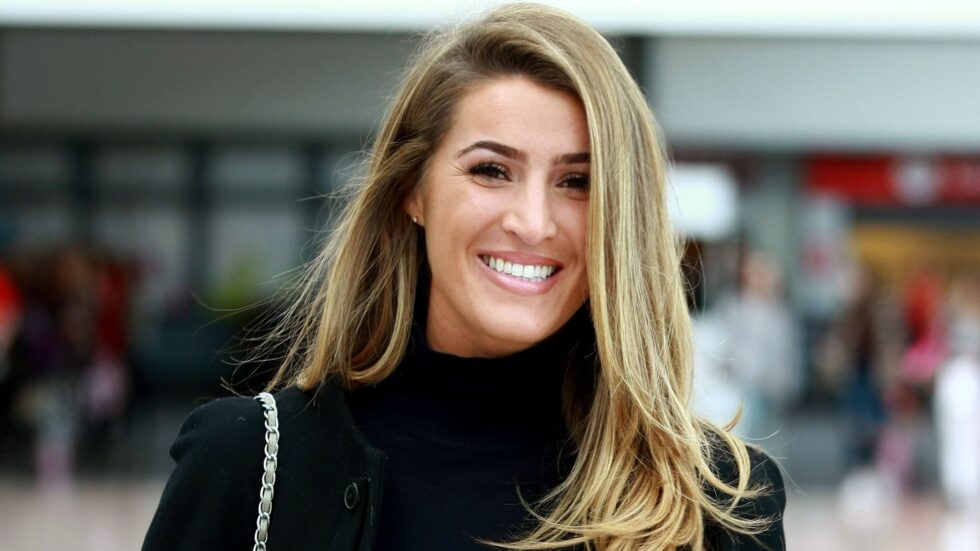
Influencer marketing has dramatically redefined the pathways to commercial success, turning transient fame into a powerful, monetisable asset, and Lillie Lexie Gregg stands as a compelling case study in this modern phenomenon. Born in Birmingham in 1991, Gregg’s trajectory from a relatively obscure fashion designer to a major UK fashion influencer with a following exceeding half a million is deeply entwined with her strategic—and often dramatic—appearances on high-profile reality television shows such as Ex on the Beach and Celebrity Big Brother. These television platforms provided an unparalleled visibility, instantly catapulting her personal style and life into the public consciousness, converting viewers into potential customers for her clothing line. This conversion was highly deliberate: every televised appearance or public relationship drama became a media event that fed directly back into her personal brand and entrepreneurial ventures. The ability to pivot from a sensationalised public persona to a reliable lifestyle and fashion authority is key to her enduring relevance, a pivot that demands significant long-term strategic planning beyond the typical 15 minutes of fame. Her current digital presence is a highly curated mix of professional "outfit-of-the-day" (OOTD) posts, style advice, and aspirational family life, which collectively solidify her commercial appeal and audience trust, reports The WP Times, citing glueckid
The Reality TV Catalytic Effect: From Controversy to Commercial Capital
Lillie Lexie Gregg’s initial fame was not purely driven by her designs but by her involvement in widely publicised relationship dramas on reality television. This strategic use of controversial, high-stakes narratives served as an unprecedented, zero-cost marketing engine for her nascent fashion interests. Her shock appearances on shows like Celebrity Big Brother in 2016 and Ex on the Beach leveraged the media's obsession with her personal life to drive massive traffic to her social media platforms.
The critical factor here is the timing: Gregg had already established her fashion label, LILY-BEAU London, before these major television appearances, creating a ready-made commercial destination for the sudden surge in public interest. Reality television provided the audience; her existing brand provided the product. This immediate and substantial audience transfer is the gold standard for influencer success, providing a follower count that would take years to achieve organically. For instance, the week following a major on-screen confrontation would see not only a spike in Google searches for her name but a direct conversion pathway from the curious viewer to the browsing consumer, turning emotional engagement into revenue.
- Key Reality TV Appearances and Associated Impact:
- Geordie Shore Debut (2015): Established her initial public relationship, linking her to a massive youth audience base.
- Celebrity Big Brother (2016): Shock appearance to confront Stephen Bear generated significant tabloid and social media coverage.
- Ex on the Beach Series 5 (2016): Confrontations with ex-boyfriend Gaz Beadle sustained media attention and solidified her "dramatist" persona, driving high engagement rates.
- Long-Term Impact: Each appearance provided recurring media visibility, which she successfully parlayed into a long-term fashion and lifestyle content creation career, far outlasting the typical lifespan of a reality TV star.
LILY-BEAU London: Analysing the E-Commerce Foundation
The core of Lillie Lexie Gregg’s business venture is her clothing line, LILY-BEAU London, established well before her peak reality television exposure. This pre-emptive entrepreneurial move is a crucial detail that distinguishes her brand-building from opportunistic post-fame merchandising. The initial product focus of LILLY-BEAU was typically fast-fashion, catering to the aesthetic demands of her core demographic—young women who follow reality TV and aspiring celebrity style.
The brand's success is a direct function of the founder's visibility: the clothes sold are often pieces she models in her highly successful OOTD posts on Instagram. This is the authenticity paradox of influencer marketing: while her television persona was highly manufactured for drama, her fashion advice feels personal and direct to her hundreds of thousands of followers. The commercial filings for her associated business entity, LILLIE G LIMITED, registered in the UK, show the formal structure supporting her endeavors, documenting a strategic approach to capitalising on her digital influence over multiple financial cycles. The consistent filing of micro company accounts suggests a sustainable, albeit private, e-commerce operation that effectively manages the fluctuating demands of the social media-driven fashion cycle.
The Shift to Lifestyle and Family: Maturing the Brand Persona
In the modern, highly saturated influencer space, longevity demands a maturation of the brand persona—a shift that Lillie Lexie Gregg has executed with notable success. Her career evolved from a focus on dramatic relationships to a curated, aspirational presentation of family, lifestyle, and motherhood, directly appealing to the slightly older, more financially established segments of her original audience. This change in narrative, centred on her engagement to EFL footballer Josh McEachran and her two young children, has significantly broadened her demographic reach.
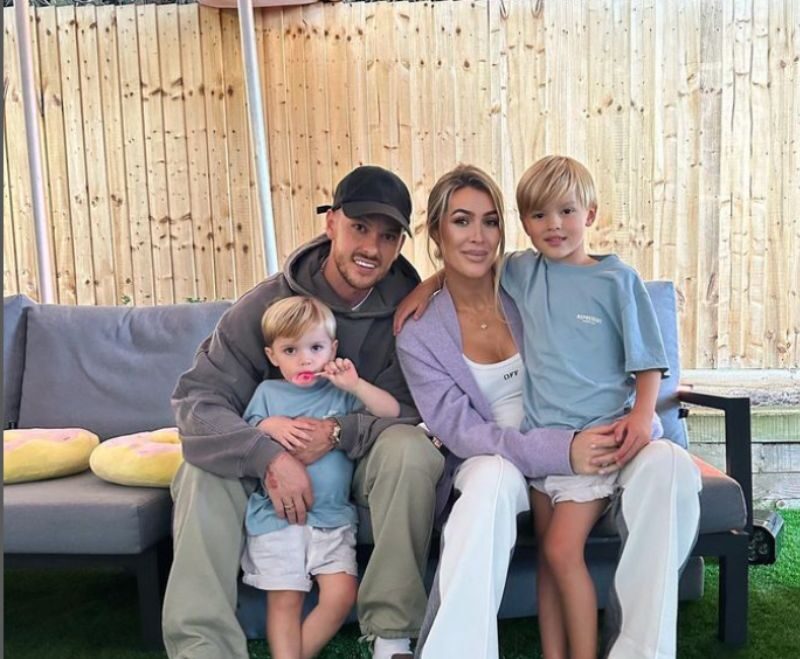
This is a critical business strategy because lifestyle content—which includes home decor, family holidays, and children's products—offers a vastly expanded landscape for lucrative brand endorsements and partnerships beyond just clothing. Her current digital content strategy is a highly polished documentation of a stable, stylish life, effectively trading the volatility of relationship drama for the reliability of aspirational domesticity. The market trusts her implicitly for fashion and now increasingly for parenting and lifestyle recommendations, a trust that is evidenced by the consistent demand from major booking agents for collaborations, endorsements, and speaking engagements. The following points illustrate the evolution of her content pillars:
- Evolution of Lillie Lexie Gregg's Content Strategy:
- Phase 1: High-Fashion and Nightlife (2015-2017): Focus on heavily styled going-out wear, celebrity parties, and reality TV drama. Target demographic: Younger viewers (18-25).
- Phase 2: Transition to Lifestyle (2018-2020): Introduction of pregnancy, maternity wear, and soft family themes, maintaining a high-fashion edge. Target demographic: Original audience maturing (25-30).
- Phase 3: Family and Aspirational Domesticity (2021-Present): Primary focus on family life, home aesthetics, children's clothing, and high-end but practical everyday wear. Target demographic: Broader lifestyle audience (25-35+).
- Commercial Advantage: This allows her to seamlessly transition from promoting her own clothing line to securing high-value, long-term paid partnerships across diverse sectors, including automotive, travel, and premium children's goods.
The Anatomy of an Influencer-Led Brand: Data and Distribution
The success of Lillie Lexie Gregg’s commercial ventures is not accidental; it is driven by sophisticated digital marketing and a deep understanding of platform metrics. With a follower count exceeding 522,000 on Instagram—a key metric cited by her representation—her posts command significant reach and, crucially, high engagement rates, which are the primary determinants of her earning potential. The fashion industry, particularly e-commerce, increasingly relies on these metrics for conversion, favouring influencers with a proven track record of driving sales over traditional advertising channels.
Furthermore, her distribution model benefits directly from the borderless nature of social media. While the brand is called LILY-BEAU London, her customer base is global, facilitated by her international reality TV exposure and the ease of e-commerce logistics. Her strategy involves constant, rapid content creation—often multiple OOTD posts per day—to keep her brand at the forefront of her followers' attention, directly translating to 'swipe up to buy' features. Her team’s decision to sign with high-profile talent agencies, such as MN2S and The CAN Group, for management and endorsement deals illustrates the professionalisation of her career, treating her digital persona as a blue-chip commercial asset that requires expert negotiation and strategic brand placement.
The table below illustrates a typical comparison between an Influencer-Led E-commerce Model and a traditional fashion retailer's digital strategy:
| Metric | Influencer-Led E-commerce (Lillie Lexie Gregg Model) | Traditional Retailer (E.g., UK High Street Brand) |
| Marketing Cost | Low (Primarily content creation/PR) | High (Paid advertising, print, TV campaigns) |
| Conversion Rate | High (Direct "swipe up" or link in bio conversion) | Moderate (Multiple steps: ad exposure to website visit to purchase) |
| Product Feedback | Instant (Direct engagement/comments on social media) | Delayed (Surveys, seasonal sales data analysis) |
| Brand Face | The Founder/Influencer (High emotional connection) | Hired Model (Lower emotional connection) |
| Scalability | High (Leverages existing digital infrastructure) | Moderate (Dependent on store footprint/warehouse capacity) |
Navigating the Future: Trends and Legacy of the Reality-Influencer
The legacy of Lillie Lexie Gregg lies in her demonstration that the ephemeral nature of reality TV fame can be successfully converted into a durable, multi-faceted business enterprise. Her current focus on lifestyle, family, and attainable luxury positions her perfectly for the long-term trends dominating the digital landscape, where authenticity and relatability are prized above all else. This has created a robust and loyal following of consumers who view her as a trusted source for personal and purchasing decisions.
For aspiring fashion entrepreneurs, her journey provides a clear roadmap: enter the industry with a tangible product (LILY-BEAU), gain massive, rapid exposure through a secondary channel (reality TV), and then strategically pivot to a more sustainable, appealing public image (lifestyle/motherhood) to maintain trust and relevance. The UK fashion influencer market is highly competitive, yet Gregg’s longevity—spanning nearly a decade from her first TV appearance to her current status as a successful mother and entrepreneur—shows a significant mastery of personal branding and commercial strategy. Her ability to consistently secure partnerships with brands that align with her evolved, family-centric image proves the enduring commercial value of a well-executed persona shift.
Read about the life of Westminster and Pimlico district, London and the world. 24/7 news with fresh and useful updates on culture, business, technology and city life: When will Bridgerton Season 4 be released on Netflix – and what’s the story about Benedict