

LONDON — The UK Health Security Agency (UKHSA) has launched an emergency investigation into an "unusual" outbreak of Legionnaires’ disease, with cases currently concentrated in North West and South West London. As of April 9, 2026, health officials have confirmed eight cases sharing an identical bacterial sequence, while another 13 individuals are undergoing urgent testing to determine if they are linked to the same cluster, reports The WP Times, via GOV.UK.
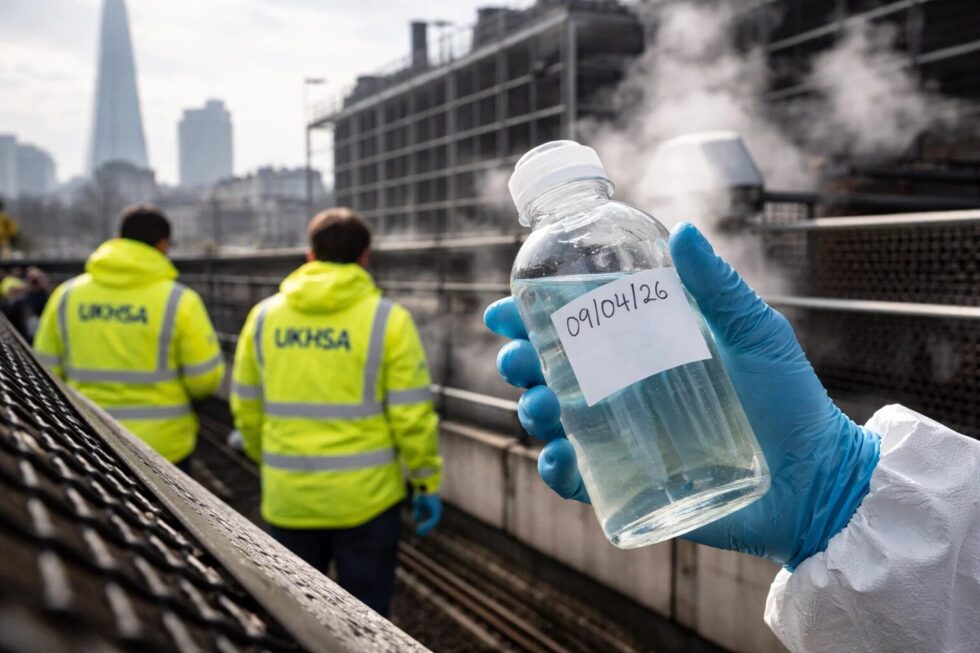
The investigation is currently focused on identifying a common environmental source. While no specific location has been pinpointed, the UKHSA, in coordination with the Health and Safety Executive (HSE), is tracing the movements of those affected and inspecting industrial water systems. Legionnaires’ disease, a severe form of pneumonia, is typically contracted by inhaling microscopic water droplets contaminated with Legionella bacteria. Experts are particularly scrutinizing cooling towers, air conditioning systems, and large-scale water features in the affected boroughs.
"The investigation is moving at pace to identify any common link between these cases," a spokesperson for the UKHSA stated.
"While the risk to the wider public remains low, we have informed clinicians to support active case finding and ensure anyone presenting with symptoms receives rapid diagnostic testing."
Authorities have already begun "shock-dosing" several cooling towers with high-strength biocides as a precautionary measure. Residents and workers in North West and South West London are advised to be vigilant for symptoms, which include high fever, a persistent cough, and shortness of breath. Health officials emphasize that the disease is not contagious and cannot be spread from person to person.
Regulatory Compliance: The Role of the HSE in North and South West London
The Health and Safety Executive (HSE) has significantly ramped up enforcement of the ACOP L8 (Approved Code of Practice for the Control of Legionella Bacteria in Water Systems) across the affected North West and South West postcodes. Under current 2026 regulations, any business operating a cooling tower or an evaporative condenser must maintain a rigorous risk assessment and a verifiable maintenance log.
In light of the current cluster, inspectors are conducting "spot checks" to ensure that biocidal treatments and temperature controls are not only active but optimized for the unseasonably warm April weather. Failure to produce valid water quality certificates can now lead to immediate Improvement Notices or prohibition of water system use under the Health and Safety at Work Act.
- Immediate Enforcement: Authorities are focusing on "dead legs" (stagnant pipes) in commercial buildings that may have seen reduced occupancy.
- Biocide Verification: Companies are being asked to provide evidence of "shock-dosing" protocols completed within the last 72 hours.
- Expert Tip: Property managers in the affected areas should immediately verify that their cold water storage remains below 20°C, as current environmental temperatures in London are facilitating faster bacterial incubation.
Clinical Protocol: What to Expect at London Hospitals
In response to the UKHSA’s alert, hospitals across the capital—particularly those serving the North West and South West—have implemented an "Enhanced Respiratory Screening" protocol for all admissions presenting with community-acquired pneumonia. If you are admitted with symptoms, clinicians will prioritize a Urinary Antigen Test, which is the current gold standard for rapid Legionella detection in 2026.
This test provides results within hours, allowing for the immediate administration of targeted antibiotics (such as macrolides or fluoroquinolones) which are more effective than standard penicillin-based treatments. Accurate diagnosis is vital not only for patient recovery but for the UKHSA to continue the genetic "mapping" of the outbreak strain.
- Patient History: Be prepared to provide a detailed 10-day history of your movements within London, including specific office buildings or shopping centers visited.
- Diagnostic Speed: 2026 diagnostic kits have been redistributed to local GPs to ensure that suspected cases do not require an A&E visit unless severe respiratory distress is present.
- Risk Group Monitoring: Individuals with a history of smoking or immunosuppression are being prioritized for prophylactic consultations if they believe they have been exposed to a confirmed "hot zone."
Frequently Asked Questions
What are the main symptoms? The primary signs are a high fever, chills, muscle aches, and a cough that progresses into difficulty breathing or chest pain.
Is the tap water safe to drink? Yes. Legionnaires’ disease is caught by inhaling mist or droplets, not by drinking water.
Who is most at risk? Smokers, the elderly, and those with weakened immune systems or chronic lung conditions are at higher risk of severe illness.
What should I do if I feel unwell? If you have been in North West or South West London recently and develop a fever or cough, contact NHS 111 immediately and mention the ongoing investigation.
Read about the life of Westminster and Pimlico district, London and the world. 24/7 news with fresh and useful updates on culture, business, technology and city life: Tesco opening times Easter 2026: what is open in Westminster London today, what closes on Easter Sunday and where to shop and find pharmacies