London has been recognized as the world’s best travel destination in 2025 by Tripadvisor’s Travellers’ Choice Awards. This recognition reflects the city’s unique blend of historic heritage, vibrant culture, and modern attractions that appeal to travelers worldwide. Millions of visitors are drawn to iconic sites such as the Tower of London, Buckingham Palace, and the British Museum every year. The city’s diverse culinary scene, including traditional pubs, Michelin-starred restaurants, and street food markets, adds to its global appeal. London’s extensive transport network, including the Underground, buses, riverboats, and cycle hire schemes, ensures efficient mobility for tourists. Seasonal events, festivals, and exhibitions keep the city lively throughout the year. Hospitality businesses, hotels, and guided tours have all experienced a surge in bookings, contributing significantly to the local economy. As noted by the editorial team of The WP Times, understanding the reasons behind London’s popularity provides insights for both visitors and investors seeking to benefit from tourism growth. This article examines why London has emerged as the top travel destination, focusing on culture, gastronomy, accommodation, transport, and economic impact.
Cultural Attractions That Captivate Visitors
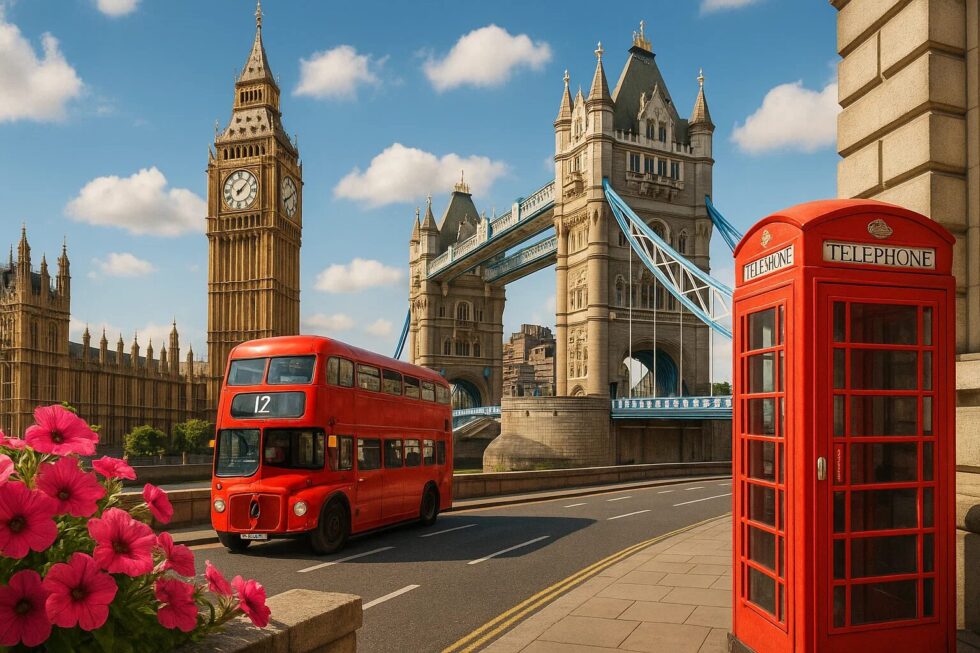
London’s cultural scene remains one of the main reasons why tourists flock to the city. The West End theatre district hosts world-class musicals, plays, and opera performances that attract millions of visitors annually. The British Museum houses over eight million artifacts, including the Rosetta Stone and Egyptian mummies, making it a major draw for international tourists. The National Gallery and Tate Modern showcase European and contemporary art, with free access encouraging widespread visitation. Seasonal festivals such as the Notting Hill Carnival, London Film Festival, and Thames Festival add to the city’s cultural vibrancy. Historical landmarks, including Tower Bridge, Westminster Abbey, and St Paul’s Cathedral, combine educational and visual experiences. Walking tours, immersive exhibitions, and workshops provide visitors with interactive ways to engage with the city’s history. Local businesses, including souvenir shops, artisan markets, and photography tours, benefit directly from cultural tourism. London’s commitment to preserving its heritage while fostering modern art and entertainment ensures a rich and diverse visitor experience.
List of Top Cultural Attractions in London:
- Tower of London – fortress with Crown Jewels and guided tours.
- Buckingham Palace – official residence of the monarch with the Changing of the Guard.
- British Museum – extensive historical and art collections.
- Tate Modern – contemporary art from global artists.
- West End – theatre district offering musicals and plays.
- Westminster Abbey – site of coronations and royal weddings.
- Natural History Museum – interactive exhibits for all ages.
- Victoria & Albert Museum – design, fashion, and decorative arts.
- Southbank Centre – cultural events, performances, and exhibitions.
Culinary Scene Driving Tourism
London’s gastronomy plays a crucial role in attracting international visitors. Traditional British cuisine, such as fish and chips, Sunday roast, and afternoon tea, continues to draw tourists seeking authentic experiences. Michelin-starred restaurants, including The Ledbury and Core by Clare Smyth, cater to gourmet travelers looking for world-class dining. Street food markets, like Borough Market and Camden Market, offer affordable and high-quality meals, with options ranging from artisanal cheeses to global street dishes. Culinary tours, cooking classes, and wine or gin tasting experiences enhance visitors’ engagement with the city’s food culture. Hotels often feature signature restaurants, integrating local ingredients and modern twists to create memorable meals. Pubs, cafés, and dessert shops also see increased traffic, contributing to employment in the hospitality sector. Seasonal food festivals, like Taste of London and London Coffee Festival, showcase the city’s culinary diversity. The overall gastronomic scene strengthens London’s appeal and encourages repeat visits from food enthusiasts.
Table – Notable Restaurants and Markets in London:
| Name | Location | Specialty | Price Range (GBP) |
|---|---|---|---|
| The Ledbury | Notting Hill | Modern European cuisine | £85–£150 per person |
| Core by Clare Smyth | Notting Hill | Contemporary British | £90–£160 per person |
| Borough Market | Southwark | Street food & artisanal products | £5–£25 per meal |
| Dishoom | Covent Garden | Indian cuisine | £15–£40 per meal |
| Rules | Covent Garden | Traditional British | £40–£80 per person |
| Camden Market | Camden Town | Global street food | £5–£20 per meal |
| Sketch | Mayfair | Afternoon tea & high-end dining | £60–£120 per person |
| Flat Iron | Soho | Steak & casual dining | £20–£40 per meal |
| Duck & Waffle | City of London | Modern British & European | £25–£70 per person |
Accommodation and Hospitality Trends
The surge in tourism has significantly impacted London’s hospitality sector. Luxury hotels, including The Savoy and The Ritz, remain popular among high-end travelers. Boutique hotels in Shoreditch, Notting Hill, and Soho provide unique experiences that combine local art, history, and modern amenities. Short-term rental platforms, such as Airbnb, offer affordable options for families and larger groups. Seasonal pricing fluctuations occur, with peak rates during summer months, Christmas, and major events. Hotels increasingly provide wellness amenities, including spas, gyms, and rooftop terraces, to enhance guest experiences. Local bed-and-breakfasts and guesthouses attract visitors seeking a personalized stay with local flavor. Investment in new accommodations reflects London’s growth as a top international destination. The combination of quality, variety, and innovative hospitality ensures that visitors’ expectations are met across all price ranges.
List of Popular Accommodation in London:
- The Savoy – historic luxury hotel by the Thames.
- The Ritz London – 5-star landmark hotel.
- Shangri-La Hotel at The Shard – high-rise views.
- CitizenM Tower of London – modern boutique style.
- Premier Inn London City – budget-friendly central location.
- Airbnb Notting Hill – unique local apartments.
- Soho House – exclusive membership lodging.
- The Hoxton, Shoreditch – trendy and accessible.
- Marriott London County Hall – family-oriented facilities.
Transport and Infrastructure Supporting Visitors
London’s transport infrastructure supports its massive tourism influx. The Underground, with 11 lines and 270 stations, connects major attractions and suburbs efficiently. Buses, riverboats, and cycle hire schemes offer sustainable options for visitors. Heathrow, Gatwick, and City airports handle millions of international travelers each year. Rail links connect London to other UK cities via high-speed trains, such as Eurostar and Avanti West Coast. Taxis and ride-sharing apps complement public transport, while digital signage and mobile apps provide real-time updates. Accessibility initiatives, including wheelchair-friendly routes and assistance services, improve inclusivity for all travelers. Investments in transport and infrastructure ensure smooth visitor experiences and support local businesses by increasing footfall. Additionally, ongoing modernization of transport hubs and stations enhances both efficiency and aesthetics for tourists.
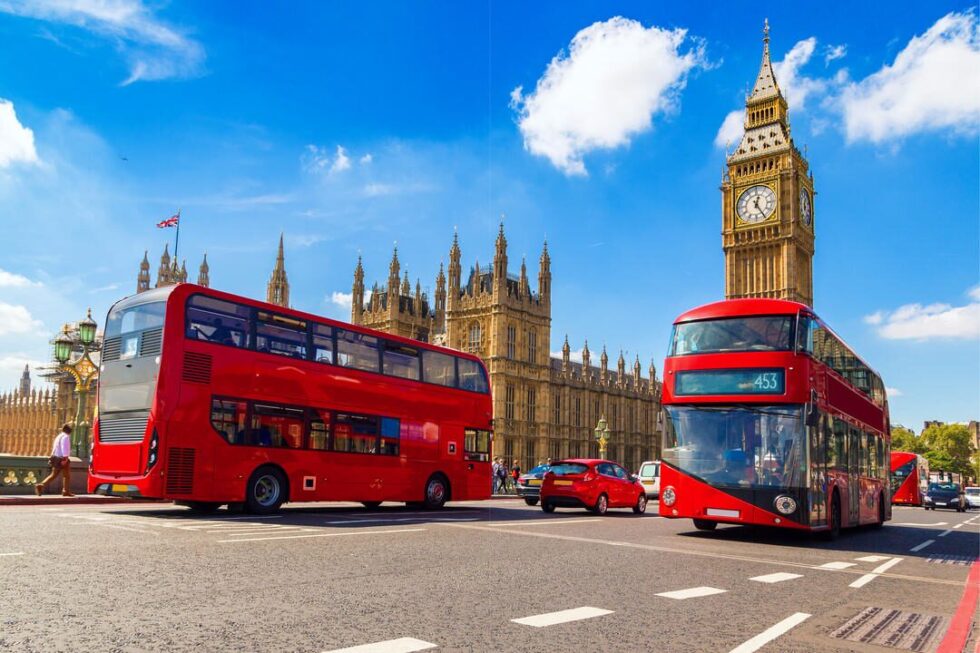
Table – Key Transport Options in London:
| Mode | Coverage | Average Fare | Notes |
|---|---|---|---|
| London Underground | 11 lines, 270 stations | £2.40–£6.00 per journey | Oyster card & contactless accepted |
| Buses | Extensive city coverage | £1.65 flat fare | 24-hour service in central zones |
| Riverboats | Thames river routes | £5–£15 per trip | Scenic views of landmarks |
| Taxis | City-wide | £3.00 start + £2.20 per km | Black cabs & ride-share options |
| Cycle Hire | Central London docking stations | £2 per 30 mins | Santander Cycles |
Economic Impact on Local Businesses
Tourism has a direct positive impact on London’s local economy. Restaurants, cafes, and street vendors benefit from increased patronage, boosting revenue. Retail shops, souvenir outlets, and high-end stores experience higher sales, particularly near tourist hotspots. Guided tours, museums, and experience-based businesses see increased bookings. Cultural festivals, exhibitions, and seasonal events generate additional demand for services. Employment opportunities rise in hospitality, retail, transportation, and entertainment sectors. Temporary and permanent jobs benefit residents while supporting urban economic resilience. Marketing initiatives target both local and international audiences, amplifying the effect of tourism on business growth. The overall economic impact strengthens London’s position as a leading global travel destination.
List of Tourism-Affected Business Sectors:
- Restaurants & cafes
- Hotels & boutique accommodations
- Retail & souvenir shops
- Guided tours & museums
- Cultural festivals & events
- Transportation & logistics
- Digital marketing & social media
- Entertainment & nightlife venues
- Wellness, spa & fitness services
Read about the life of Westminster and Pimlico district, London and the world. 24/7 news with fresh and useful updates on culture, business, technology and city life: What Can You Experience During Black History Month in London This October