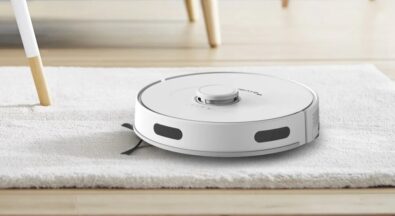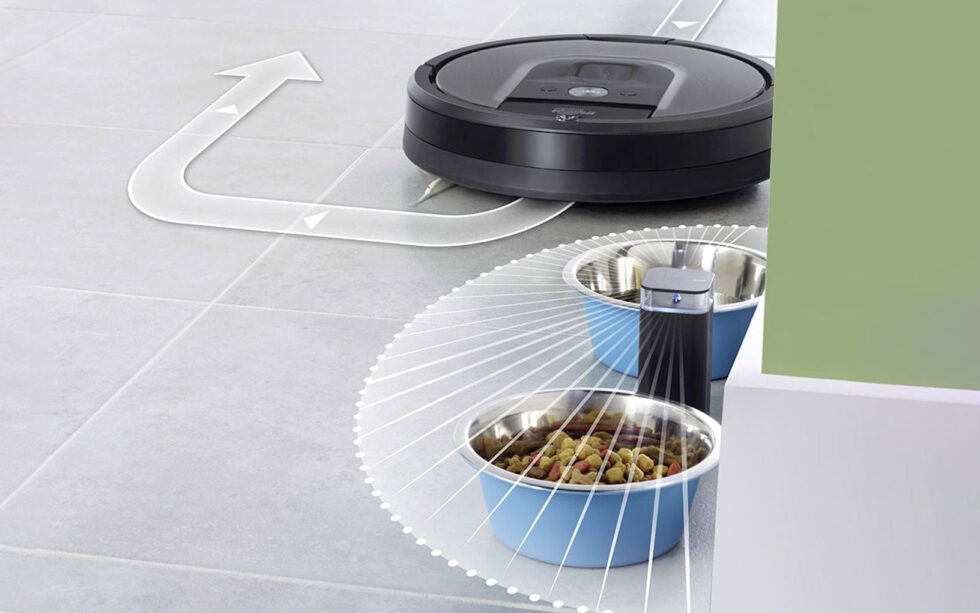
The robot vacuum cleaner, once a novelty, has become a staple in many households, silently gliding across floors to handle a basic, repetitive chore. But this is just the first chapter of the domestic robotics revolution. The next generation of home robots is moving far beyond simple vacuuming, tackling more complex, nuanced, and even tedious tasks. These advanced machines are designed not just to clean, but to interact with their environment in meaningful ways, from sorting household waste to meticulously caring for indoor plants. The promise is to free up human time and mental energy, fundamentally transforming how we manage our homes. This technological leap represents a new frontier in automation, posing questions about functionality, trust, and our readiness to live alongside these intelligent helpers, reported by The WP Times.
The New Wave of Domestic Automation
This new era of home robotics is defined by a shift from single-purpose devices to intelligent, multi-tasking systems. Instead of a single robot for a single chore, we are seeing the development of modular or highly specialized robots that can navigate complex, unpredictable environments. These aren't just floor cleaners; they are designed to perform a variety of duties that were once exclusive to humans. This includes everything from organizing clutter on a coffee table to folding laundry with precision. The goal is to tackle the "last mile" of domestic automation—the messy, non-uniform tasks that have long been a technological challenge.
From Mundane to Sophisticated Tasks
The most significant advancements are in areas that require high levels of object recognition, dexterity, and decision-making. These robots are equipped with advanced sensors, computer vision, and machine learning algorithms that allow them to understand and manipulate objects with a level of accuracy never before seen. This moves them from being passive cleaners to active participants in household management. They can identify different types of materials, sort items into the correct bins, and even learn the specific needs of individual plants, ensuring they receive the right amount of water and light. This level of sophistication is what will truly make them invaluable in a modern home.
- Waste and Recycling Management: Robots with vision systems can identify different materials (plastic, paper, glass) and place them into the correct recycling bins, simplifying a tedious and often messy chore for households.
- Plant Care and Maintenance: Automated plant care systems can monitor soil moisture, light exposure, and humidity, and water plants precisely, preventing overwatering or neglect.
- Surface and Appliance Cleaning: Multi-arm robots with interchangeable tools can clean kitchen countertops, wipe down stovetops, and even load and unload dishwashers.
- Item Organization: Advanced robots can recognize misplaced items and return them to their designated spots, helping to maintain a tidy and organized living space.
- Personal Assistance and Security: Some models are designed to monitor the home, patrol for security, and even offer companionship or reminders for daily tasks.
The integration of these next-gen robots into our homes holds the potential to save hundreds of hours annually, allowing people to focus on leisure, work, or family. By automating the most disliked chores, they not only improve the cleanliness of a home but also contribute to a less stressful environment. This shift allows us to reconsider what "domestic labor" truly means and how technology can best serve human well-being.
The Challenge of Complexity and User Trust
While the potential of these robots is vast, bringing them into the mainstream presents significant hurdles. Unlike a robot vacuum that operates on a flat floor, a robot that sorts recycling must contend with an almost infinite variety of objects, shapes, and textures. A plant-care robot must navigate around furniture, avoid pets, and precisely deliver water without making a mess. These challenges demand an unprecedented level of reliability and intelligence, and early failures could damage public trust in the technology. Building confidence in these robots will be critical for their widespread adoption.
Navigating Home Life and Building Confidence
The most formidable challenge for developers is creating a robot that can reliably operate in the chaotic and unpredictable environment of a real home. The leap from a clean lab setting to a home with children, pets, and spontaneous clutter is immense. People need to be convinced that these robots won't break delicate items, hurt a pet, or malfunction in a way that creates more work than they save. The success of a next-gen robot will be measured not just by what it can do, but by how seamlessly and safely it fits into the rhythm of daily life.
| Feature | Simple Robot Vacuum | Next-Gen Robot (e.g., Plant Care) |
| Navigation | Basic obstacle avoidance and boundary mapping. | Advanced 3D mapping, object recognition, and path planning. |
| Interaction | Minimal; operates independently on a single surface. | Highly interactive; manipulates objects, opens doors, uses tools. |
| Task Complexity | Low; a single, repetitive cleaning function. | High; requires decision-making and precise, multi-step actions. |
| Sensors | Basic infrared and bump sensors. | LiDAR, high-resolution cameras, pressure sensors. |
| Trust Barrier | Low; a known, simple technology. | High; must be proven safe and reliable in complex scenarios. |
The table above illustrates the enormous leap in complexity required for these new robots. This is where innovation in AI and machine learning is crucial. Developers must build systems that can learn and adapt, continuously improving their performance over time. The journey from a simple cleaning bot to a truly helpful domestic assistant is a long one, but it is one that many companies are now actively pursuing.

The UK and London's Role in the Robot Revolution
The UK and, in particular, London, are at the forefront of the global robotics and AI revolution. The city’s vibrant technology ecosystem, a world-class talent pool, and significant investment from both public and private sectors make it a key player in developing the future of domestic automation. London is home to leading academic institutions like Imperial College London and University College London, which are pioneering research in robotics and machine learning. This academic excellence is complemented by a thriving startup scene in areas like East London's "Silicon Roundabout," where new ideas are rapidly turned into viable products.
A Hub for Robotics and AI Innovation
The UK government has also recognized the strategic importance of this sector, investing heavily in research and development and providing support for tech startups. This has created a collaborative environment where academia, industry, and government work together to drive innovation. London's status as a global financial hub also means that venture capital is readily available to fund ambitious projects in robotics, giving British companies a competitive edge in a fast-moving market.
- Imperial College London: A global leader in robotics and AI research, with a strong focus on practical applications.
- The Alan Turing Institute: The UK's national institute for data science and AI, supporting foundational research that drives robotics advancements.
- UK Robotics and Autonomous Systems Network (RAS): A national body that fosters collaboration between universities and industry.
- Start-up Hubs: Incubators and accelerators in London specifically for robotics and hardware companies.
- Government Funding: Strategic investments from government bodies like Innovate UK to accelerate research into commercial products.
This robust ecosystem ensures that some of the most innovative ideas in domestic robotics are originating from the UK. The collaboration between academic researchers and commercial enterprises is particularly strong in London, allowing for rapid prototyping and testing of new technologies. This environment is paving the way for the development of the next generation of home robots, cementing the UK’s position as a global leader in the field.
The evolution of home robots from simple vacuums to sophisticated domestic assistants is well underway. While challenges related to complexity and trust remain, the potential for these next-gen robots to transform our daily lives is immense. The UK, with London at its core, is a vital hub for this revolution, leveraging its world-class talent and innovative ecosystem. It's clear that the future of household chores is not just about automation, but about creating intelligent, reliable partners that can seamlessly integrate into our homes.
Read about the life of Westminster and Pimlico district, London and the world. 24/7 news with fresh and useful updates on culture, business, technology and city life: The Unseen Revolution: How 5G and 6G are Reshaping Our World.