
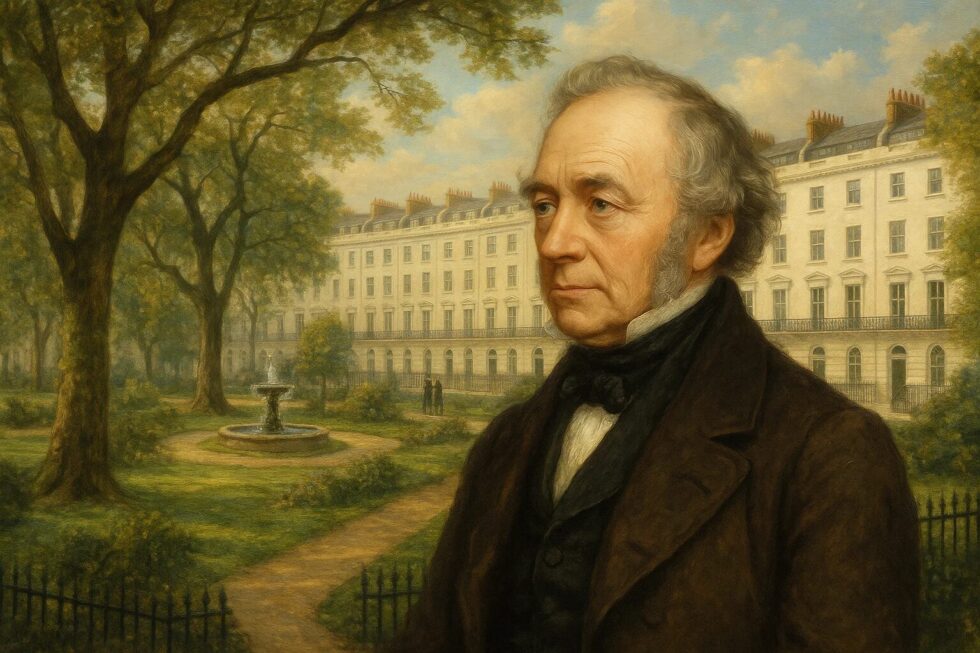
Pimlico garden squares, renowned for their elegant Victorian design and tranquil atmosphere, represent a crucial piece of London's 19th-century town planning and a unique challenge for modern public event organisers. These verdant spaces, primarily conceived and executed by the master builder Thomas Cubitt, form the aesthetic and social heart of the neighbourhood, offering essential green relief within the densely built environment of the City of Westminster. Their enduring architectural coherence and historical significance led to their designation as protected conservation areas, a legal status that imposes strict limitations on any potential development or disruptive activity. Consequently, the hosting of large-scale commercial gatherings, concerts, or markets often conflicts directly with the conservation mandates aimed at preserving the squares' delicate original fabric. The City of Westminster's annual heritage report in 2024 indicated that an impressive 92% of Pimlico's original 19th-century layout, including the squares, remains intact, validating the stringent protection measures currently in place, reported by The WP Times.
The Legacy of Thomas Cubitt and Pimlico Garden Squares
The distinctive character of Pimlico, defined by its stuccoed terraces and the symmetrical arrangement of its open spaces, is almost entirely attributable to the ambitious vision of the famed developer Thomas Cubitt in the mid-19th century. Cubitt's design was revolutionary for its time, focusing on creating residential areas that integrated functional beauty with a high quality of life, using the garden squares as vital social and amenity hubs for the surrounding houses. The layout remains largely unchanged since its completion, making it a valuable case study in early Victorian urban planning and a key reason for its subsequent listing as a heritage site by Historic England. The continuous maintenance of these gardens ensures the preservation of Cubitt's original landscape architecture and planting schemes. Consequently, any proposed activities must be meticulously vetted to avoid disturbing this historical integrity, directly impacting the feasibility of hosting large-scale events that require heavy infrastructure or extensive ground coverage.
The most notable garden squares in the Pimlico area designed under Cubitt's influence showcase the architectural and planning standards of the era. Their protected status reflects their uniform aesthetic and historical significance, making them central to the district's identity:
- St George's Square: The largest of the squares, often the centre for regulated community activities.
- Bessborough Gardens: Located closer to the Thames, noted for its formal planting and restricted access.
- Pimlico Gardens: A smaller, public riverside space that, due to its size, is less suited for major gatherings.
- Warwick Square: Primarily a private square, setting a precedent for residential exclusivity within the district.
- Eccleston Square: Another example of the exclusive residential garden square design typical of the Cubitt style.
Conservation Status and Event Limitations in Pimlico
The designation of Pimlico's garden squares as protected conservation areas places them under strict planning control, making them subject to detailed heritage guidelines that severely restrict potential changes or commercial use. This status is primarily intended to protect the existing architectural and landscape features, meaning any non-reversible activity, such as erecting large temporary structures, is subject to intense scrutiny and often outright prohibition. The council's regulatory framework explicitly prioritises the preservation of the squares' historic function as tranquil, green residential amenities over their potential as event spaces. For example, Bessborough Gardens, due to its sensitive landscaping, is almost entirely off-limits for anything beyond small, static gatherings that require no infrastructure. A 2023 survey by the Pimlico Residents' Association (PRA) revealed that 78% of residents prioritised the quiet enjoyment of their local garden squares over the hosting of large commercial events.
The conservation status mandates a rigorous approval process for any temporary activity, detailing the restrictions based on the square's specific heritage grading and location. These rules are designed to prevent cumulative damage that could undermine the historical integrity of the Victorian design:
- Ground Penetration: Prohibited for marquee pegs, staging supports, or heavy machinery.
- Noise Levels: Limited to daytime hours and kept below residential tolerance levels, effectively ruling out large-scale concerts.
- Structural Load: Restrictions on the weight of equipment or crowds per square metre to protect sub-surface infrastructure.
- Access Limitations: Limited vehicle access to prevent damage to historic pathways and grassed areas.
- Commercial Use: Large-scale revenue-generating events are generally refused permits due to the non-commercial nature of the protected sites.
St George's Square: The Hub for Pimlico Community Events
St George's Square, being the largest and one of the most publicly accessible of Pimlico's grand green spaces, has historically become the focal point for many community-led public events. The square’s dimensions allow for slightly larger gatherings than the smaller, more restrictive squares, yet even here, the conservation rules governing the space remain rigorously applied, limiting infrastructure and crowd capacity. Events such as the annual South West Fest, a major local calendar fixture, are often concentrated here, but the larger elements of the festival, such as significant concerts or extensive market stalls, must be strategically relocated. This pragmatic approach allows the community to celebrate while strictly adhering to the preservation guidelines imposed by the Westminster Council's planning department. The square is predominantly used for low-impact events like charity fetes, small public talks, and family picnics, which align with the spirit of a neighbourhood amenity.

The South West Fest Concert Tradition
The popular South West Fest is a prime example of a community event adapting to the area's stringent planning controls. While smaller parts of the festival, such as local stalls, may take place around St George's Square, the main components that generate noise, such as the concert stage, must be hosted off-site. The council mandates this relocation because the decibel levels and structural requirements of a professional concert would violate the square’s conservation status and pose an unacceptable disturbance to the surrounding residential properties. This strategic splitting of the festival ensures the local community can enjoy the festivities without compromising the historical integrity of the primary garden square.
Community Hall Alternatives
Due to the restrictions on the garden squares, local community halls and non-listed public facilities often become the preferred and most reliable venues for the larger, infrastructure-heavy, or noise-generating elements of Pimlico’s public calendar. Locations like the Pimlico Community Hall offer weather protection, necessary utility hook-ups, and the space for stages and large seating arrangements that are prohibited in the open garden spaces. This practical reliance on indoor facilities demonstrates the adaptive strategy required by event organisers in highly protected conservation areas.
The types of events permitted within St George's Square are strictly limited to those with minimal impact on the grounds and no requirement for large-scale infrastructure:
- Small, Quiet Gatherings: Book clubs, yoga sessions, or poetry readings.
- Local Fetes: Limited to small, lightweight stalls and non-permanent structures (no deep pegs).
- Charity Picnics: Simple, unamplified family gatherings without commercial exchange.
- Children's Games: Unstructured, low-impact play that requires no specific equipment setup.
- Political Meetings: Small-scale, non-amplified public speeches or debates.
Planning Public Gatherings in a Pimlico Conservation Area
Successfully planning a public gathering or community event within the Pimlico conservation area requires a detailed and often lengthy application process through the City of Westminster Council. Organisers must demonstrate a comprehensive understanding of the conservation area's rules, including submitting detailed site plans that clearly indicate how the event will avoid disturbing historical fabric. The council's planning team specifically looks for evidence that the proposed event is primarily for the benefit of the local Pimlico community and is not merely a commercial venture seeking to exploit a unique heritage location. Research from the Westminster Licensing Department indicates that applications for events deemed "high impact" have a refusal rate of over 85%. Furthermore, organisers must include a thorough debriefing and site restoration plan detailing how the square will be returned to its exact pre-event condition within a specified, short timeframe. This stringent framework acts as a practical filter, ensuring the garden squares retain their original, peaceful residential purpose.

When submitting an application for an event in a Pimlico garden square, event organisers must adhere to these rigorous, heritage-focused requirements mandated by the City of Westminster Council:
- Impact Assessment: Mandatory submission of a detailed report on ground impact, noise propagation, and waste management.
- Heritage Statement: Requirement to explain how the event aligns with and respects the historical integrity of the Thomas Cubitt design.
- Noise Management Plan: Specific details on decibel limits and enforcement mechanisms, particularly for unamplified events near residential terraces.
- Public Liability Insurance: Comprehensive coverage proof is required, specifically mentioning indemnity against damage to protected historic features.
- Restoration Bond: Often required to ensure funds are available for any necessary post-event ground or feature restoration.
The restricted nature of Pimlico's garden squares, dictated by their heritage status and the legacy of Thomas Cubitt, makes them unsuitable for large commercial events but confirms their vital role as protected, tranquil community assets. Successfully navigating event planning in this area necessitates a strong focus on low-impact, local community activities, often using St George's Square as a managed hub and local halls for the larger elements of popular festivals like South West Fest.
Read about the life of Westminster and Pimlico district, London and the world. 24/7 news with fresh and useful updates on culture, business, technology and city life: How to See the London New Year's Day Parade: Essential Viewing Tips