
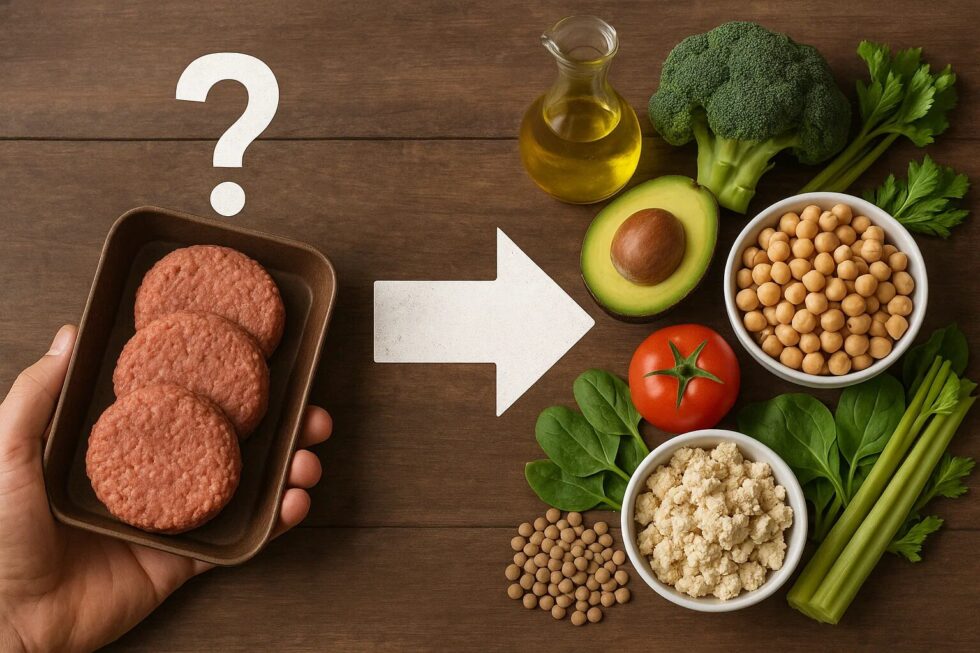
Plant-based foods are rapidly evolving in 2025, moving away from highly processed meat alternatives like Beyond Meat and Impossible Foods toward whole, natural ingredients. This shift is driven by growing consumer awareness of sustainable nutrition, environmental concerns, and the desire to reduce ultra-processed food intake. Mushrooms, legumes, tofu, and jackfruit are increasingly featured in recipes, restaurants, and retail products, offering both taste and nutritional value. Beyond Meat, which pioneered the plant-based meat substitute market, now faces competition from brands emphasizing clean-label, minimally processed ingredients. Consumers are also paying attention to the source of proteins, fiber content, and micronutrients rather than just mimicking the flavor of meat. The European Union reports a 15% year-on-year growth in plant-based grocery sales, signaling a broader dietary transformation. As noted by the editorial team at The WP Times this trend reflects both health consciousness and climate awareness among European consumers. Culinary innovation, combined with environmental responsibility, is shaping the future of plant-based eating in unprecedented ways.
The Decline of Highly Processed Plant-Based Meats
Highly processed plant-based meats initially captured the market with flavors and textures mimicking beef and pork. However, recent studies highlight that these products often contain additives, preservatives, and high sodium levels, which may reduce their perceived health benefits. Consumer surveys in Germany and the UK reveal that over 60% of respondents now prefer whole-food alternatives over processed substitutes. Retail chains are responding by expanding natural plant-based sections, including ready-to-cook legumes and mushroom-based products. Industry insiders note that Beyond Meat’s growth rate slowed to 8% in 2024 compared to double-digit increases earlier. Meanwhile, startups focusing on minimally processed proteins are attracting venture capital investments of up to €50 million per company. Nutritionists emphasize that natural ingredients often provide better amino acid profiles, more fiber, and essential vitamins. The trend is not limited to Europe; North American markets report similar shifts.
Key Factors Driving Decline of Processed Meat Alternatives:
- High sodium and additives content
- Consumer preference for whole foods
- Increased awareness of ultra-processed food risks
- Growth of natural protein startups
- Slower growth rates of traditional brands
- Better nutrient profiles in unprocessed ingredients
- Sustainability and environmental concerns
- Culinary versatility of whole foods
Rise of Natural Plant-Based Ingredients
Natural ingredients such as mushrooms, legumes, tofu, and jackfruit are gaining traction across home kitchens and restaurants. Mushrooms like shiitake and oyster provide umami flavors, making them ideal for replacing meat in stews, stir-fries, and even gourmet burgers. Legumes, including chickpeas, lentils, and black beans, are rich in protein, fiber, and micronutrients while being inexpensive and widely available. Tofu, made from soybeans, continues to be a staple, offering versatility in both savory and sweet dishes. Jackfruit, originally from South and Southeast Asia, has become a popular meat alternative due to its fibrous texture resembling pulled pork. Culinary schools in London and Berlin have incorporated natural plant-based cooking modules into their curriculum, reflecting rising demand. Market analysts estimate that natural plant-based products now account for 40% of all plant-based sales in Europe. Eco-conscious packaging and local sourcing further enhance the appeal of these ingredients.
Popular Natural Plant-Based Ingredients and Their Benefits:
| Ingredient | Protein (per 100g) | Fiber (per 100g) | Vitamins/Minerals | Culinary Use | Avg Price (€) | Availability | Sustainability Rating |
|---|---|---|---|---|---|---|---|
| Mushrooms | 3g | 2.5g | B, D, Selenium | Stir-fry, burger, stew | 4-6 | Supermarkets, markets | High |
| Lentils | 9g | 8g | Iron, Folate | Soups, salads, curry | 2-3 | Grocery stores | Very High |
| Chickpeas | 8.5g | 7.6g | Magnesium, Zinc | Hummus, stew, salads | 2-4 | Grocery stores | Very High |
| Tofu | 8g | 1.9g | Calcium, Iron | Fry, bake, grill | 3-5 | Supermarkets | High |
| Jackfruit | 2g | 1.5g | Vitamin C, Potassium | Pulled pork substitute, curry | 5-7 | Specialty stores | Medium |
Sustainability and Environmental Impact
The environmental benefits of shifting to natural plant-based ingredients are significant. Studies indicate that producing legumes generates 80% less greenhouse gas emissions than beef, while mushrooms require minimal water and land resources. Jackfruit cultivation can improve soil quality and promote biodiversity in tropical regions. European governments are encouraging plant-forward diets through subsidies and public health campaigns. Restaurants that prioritize natural ingredients often highlight sustainability metrics on menus, informing diners about their ecological footprint. Consumers increasingly associate minimally processed plant-based foods with ethical production practices, including fair labor and local sourcing. Investment in plant-based supply chains now includes eco-friendly packaging and carbon footprint reduction initiatives. This shift aligns with global climate goals, particularly the EU Green Deal targets.

Environmental Advantages of Natural Plant-Based Foods:
- Lower greenhouse gas emissions than animal products
- Reduced water and land usage
- Soil improvement and biodiversity promotion
- Supports sustainable agriculture
- Encourages local sourcing
- Eco-friendly packaging initiatives
- Aligns with climate action targets
- Promotes ethical consumer choices
Practical Tips for Incorporating Natural Ingredients at Home
Transitioning from processed alternatives to natural ingredients can be simple and flavorful. Begin by replacing one processed meal per week with a legume- or mushroom-based dish. Experiment with tofu in stir-fries or grilled preparations, marinated with herbs and spices. Jackfruit can be shredded and cooked with tomato sauce, garlic, and spices for a pulled-pork substitute. Incorporate lentils and chickpeas into salads, soups, and burgers for added protein and fiber. Explore seasonal mushrooms at local markets to ensure freshness and taste variety. Use plant-based oils and minimal salt to enhance flavor while maintaining nutritional value. Meal-prepping with natural ingredients can save money and reduce food waste. Following these strategies supports both health and environmental objectives.
Easy Home Recipes Using Natural Ingredients:
| Recipe | Main Ingredient | Prep Time | Difficulty | Serving Size | Estimated Cost (€) | Nutritional Highlights | Cooking Tips |
|---|---|---|---|---|---|---|---|
| Lentil Soup | Lentils | 30 min | Easy | 4 | 5 | High protein, fiber | Use fresh herbs for flavor |
| Mushroom Stir-fry | Mushrooms | 20 min | Easy | 2 | 6 | Umami taste, vitamin D | Sauté on high heat briefly |
| Tofu Salad | Tofu | 15 min | Easy | 2 | 4 | Calcium, protein | Press tofu to remove water |
| Jackfruit Tacos | Jackfruit | 40 min | Medium | 4 | 7 | Vitamin C, fiber | Shred young jackfruit, simmer in sauce |
| Chickpea Hummus | Chickpeas | 10 min | Easy | 3 | 3 | Protein, magnesium | Blend with olive oil and lemon juice |
Read about the life of Westminster and Pimlico district, London and the world. 24/7 news with fresh and useful updates on culture, business, technology and city life: Is the UK Facing a Mental Health Crisis After the Pandemic? Insights into Access, Youth, Digital Care, Waiting Times