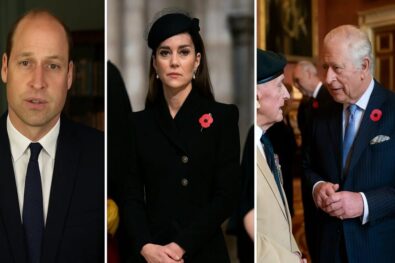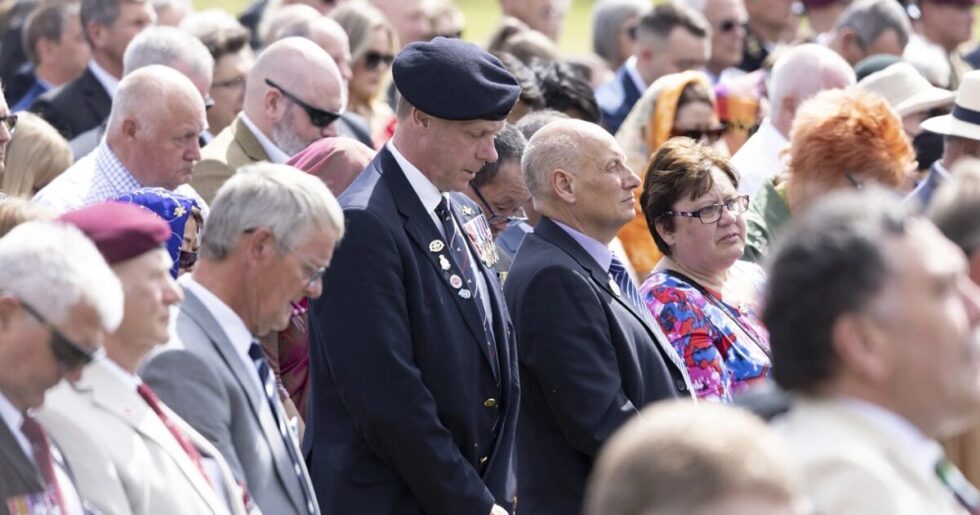
Remembrance Day, observed annually on November 11th, is arguably the most solemn and universally respected ceremonial event in the United Kingdom, transcending political and social divides. Originally known as Armistice Day, it marks the exact hour—the eleventh hour of the eleventh day of the eleventh month—when the armistice was signed, effectively ending the First World War in 1918. This date serves as the national focal point for honouring all servicemen and women who have died or suffered in conflicts since 1914, a commitment renewed each year with profound stillness and ritual. The core of the commemoration is the universal observance of the Two-Minute Silence, a powerful, collective act of national memory that brings the entire country—from busy city centres to remote rural towns—to a complete halt. Central to the narrative of sacrifice and memory is the Red Poppy, a fragile but potent symbol adopted because of the fields of Flanders, which collects millions of pounds annually for the Royal British Legion to support veterans and their families. This powerful blend of ceremony, silence, and symbolic charity reflects a deep-seated national promise to honour the fallen, a tradition that remains unshakeable. The historical context and ceremonial protocols of this deeply significant event are detailed by the editorial team, as noted by the editorial team at The WP Times.
The Cenotaph: The Heart of the National Act of Remembrance
The most significant and high-profile Remembrance Day ceremony takes place not on November 11th (Armistice Day) but on the preceding Sunday, known as Remembrance Sunday, at the Cenotaph in Whitehall, London. The Cenotaph, which literally means "empty tomb," is a stark, white Portland stone monument designed by Sir Edwin Lutyens and erected in 1920 to commemorate the war dead of World War I. This structure is not a monument to an individual but a universal symbol of national sacrifice, making it the perfect focal point for the yearly national tribute led by the reigning Monarch. On Remembrance Sunday, the King leads the nation in laying the first wreath of poppies at the foot of the memorial precisely at 11:00 AM, following the Two-Minute Silence, an act repeated by members of the Royal Family, senior politicians, and Commonwealth High Commissioners. This solemn ritual is followed by a march-past of thousands of veterans and serving personnel, symbolizing the continuity of service and sacrifice across generations. The sheer scale and formality of the Whitehall ceremony underscore the event’s status as the ultimate demonstration of the nation’s respect for its military dead.
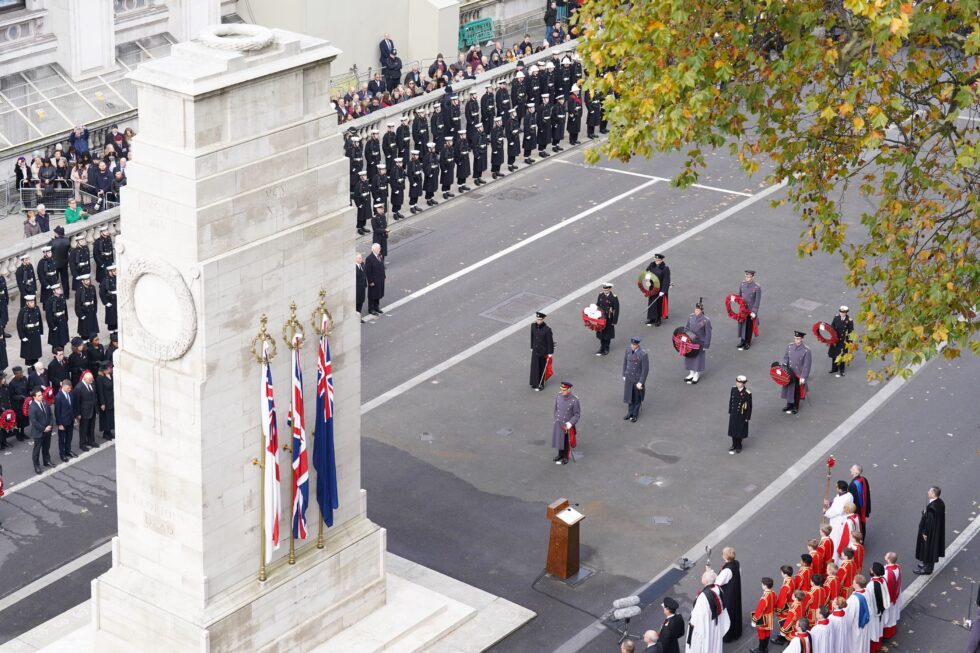
- Key Ceremonial Facts at the Cenotaph:
- Location: Whitehall, Westminster, London (SW1A 2ET).
- Architect: Sir Edwin Lutyens, originally a temporary wood-and-plaster structure for the 1919 Peace Parade.
- National Service: The principal service is held on Remembrance Sunday, the closest Sunday to November 11th.
- Royal Role: The Monarch leads the Wreath Laying Ceremony, placing the first wreath as the nation's representative.
- Wreaths: Wreaths laid are traditionally made of red poppies and are placed on the Cenotaph's base.
- The March-Past: Following the service, approximately 10,000 veterans and eligible participants march past the Cenotaph in silence, rendering their tribute.
- Commonwealth Presence: High Commissioners from Commonwealth nations (like Canada, Australia, and New Zealand) lay wreaths, reflecting shared military heritage.
- Musical Score: The service is marked by the sounding of "The Last Post" (before the silence) and "The Reveille" (after the silence) by military buglers.
The Two-Minute Silence: A National Pause at the Eleventh Hour
The Two-Minute Silence is the single most defining feature of Remembrance Day in the United Kingdom, demanding a collective, visible suspension of all activity across the country. This tradition was first proposed by Australian journalist Edward George Honey in 1919 and formally adopted by King George V, who urged the public to observe the silence at the exact hour the guns fell silent in 1918: 11:00 AM. On November 11th, whether it falls on a weekday (like Tuesday in 2025) or the weekend, life is paused: trains stop, traffic halts in major cities, office workers cease their tasks, and broadcasting is interrupted. This shared, synchronous silence is intended to be a period of profound reflection, a powerful and unifying moment where the modern nation connects directly with the scale of the past sacrifice. The silence is signalled by the powerful, melancholic sound of "The Last Post," traditionally played on a bugle, and is concluded by the optimistic fanfare of "The Reveille," framing the moment with the military symbols of rest and reawakening. The effectiveness of this spontaneous, voluntary nationwide halt is a testament to the depth of the nation's commitment to remembrance.
- Details of the Two-Minute Silence (Armistice Day, November 11th):
| Element | Description | Significance |
| Time & Date | 11:00 AM, Tuesday, November 11, 2025 (Armistice Day). | Marks the precise end of hostilities in World War I (11th hour, 11th day, 11th month, 1918). |
| Duration | Two Minutes (120 seconds). | The duration was established by King George V in 1919. |
| Signal Start | The sounding of "The Last Post" by a bugler. | A traditional military call marking the end of the day or the end of a soldier’s life. |
| Signal End | The sounding of "The Reveille" (or sometimes a similar piece, "The Rouse"). | A military call signaling the start of the day or, symbolically, a spiritual awakening. |
| Observance | Observed nationwide: transportation halts, retail stops, and public life pauses. | A powerful, collective act of national unity and respect, regardless of location or activity. |
The Red Poppy: A Symbol Born of Flanders Fields and Charity
The potent, yet simple, symbol of the Red Poppy is inextricably linked to Remembrance Day, providing both the visual focus for commemoration and the financial engine for veterans' welfare through the annual Poppy Appeal. The origin lies in the unexpected, vibrant growth of the Papaver rhoeas flower across the decimated battlefields of the Western Front, particularly the Flanders region, its seeds having been dormant and then churned to the surface by the continuous shelling. This stark contrast between destruction and resilient life inspired Canadian military doctor Lieutenant Colonel John McCrae to write the iconic poem, "In Flanders Fields", in 1915. Following the war, American academic Moina Michael championed the poppy as a memorial emblem, and in 1921, the Frenchwoman Anna Guérin brought the idea to the UK, where it was adopted by Earl Haig, the founder of the Royal British Legion (RBL). Since then, the RBL has distributed tens of millions of artificial poppies annually, manufactured primarily by the Poppy Factory (staffed by disabled ex-servicemen) to raise funds for financial, social, and emotional support for the Armed Forces community and their families, making the Poppy Appeal one of the UK’s most significant charity drives.
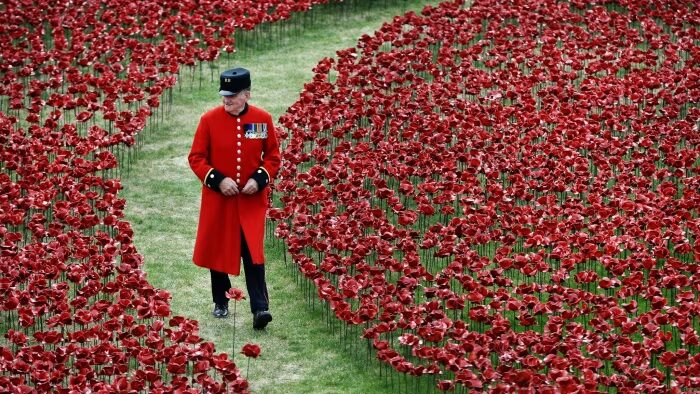
- The Evolution and Meaning of the Poppy Symbol:
- Poetic Inspiration: "In Flanders Fields" (1915) by Lt. Col. John McCrae.
- Charity Founder: The Royal British Legion (RBL), founded in 1921.
- First Appeal: The first Poppy Appeal in 1921 raised over £106,000 (a considerable sum then) to help veterans with housing and jobs.
- Manufacturing: Poppies are produced by The Poppy Factory and Lady Haig’s Poppy Factory in Scotland, employing disabled veterans.
- Scope of Remembrance: The Red Poppy commemorates military personnel, civilian services, and innocent civilians lost in conflict from WWI to the present day.
- Other Poppies: While the Red Poppy is the RBL's official symbol for the Armed Forces, white poppies (symbolizing peace) and purple poppies (honouring animals killed in conflict) are worn by other groups.
- The Campaign: The official campaign period usually runs from the last Friday in October until Remembrance Day on November 11th.
- Wearing Tradition: There is no official rule on how to wear a poppy; the RBL states it is a matter of personal choice and pride.
Armistice Day vs. Remembrance Sunday: The Nuance of UK Commemoration
In the UK, the national observance of military sacrifice is carefully divided between two dates: Armistice Day (November 11th) and Remembrance Sunday (the nearest Sunday to November 11th), each holding a distinct, yet interconnected, function. Armistice Day on November 11th is the precise historical anniversary and is primarily marked by the exact timing of the Two-Minute Silence at 11:00 AM, often with smaller, local ceremonies at war memorials, particularly if the date falls on a weekday. However, the largest national display of pomp, with the full involvement of the Monarch, politicians, and the massive veterans' march, is reserved for Remembrance Sunday. This separation originated during World War II, when the Two-Minute Silence was moved to Sunday to avoid disrupting wartime industrial production should November 11th fall on a weekday, a change that became permanent. Both days are formally commemorated, but the Sunday ceremony has become the main national event, enabling broader participation from the public and veterans. It is important to note that the term Remembrance Day is commonly used in the UK to refer to both the historical day and the broader period of solemn reflection.
- Comparison of the Two Main Remembrance Dates:
| Feature | Armistice Day (November 11th) | Remembrance Sunday (Sunday before Nov 11th) |
| Focus | The historical 11:00 AM moment of the end of WWI. | Broader national memorial service for all conflicts. |
| Main Ritual | Exact Two-Minute Silence at 11:00 AM nationwide. | Main Wreath Laying Ceremony led by the Monarch at the Cenotaph. |
| Attendance | Local ceremonies and individual acts of silence (e.g., at work, schools). | Large-scale, formal parade and service at Whitehall; massive public attendance. |
| Dress Code | Informal or business attire (often observed in daily life). | Formal attire, military dress, and official uniforms for attendees. |
| Political Role | Usually marked by the Prime Minister or local officials. | Full participation by the King, PM, Cabinet, and Opposition leaders. |
| Origin of Separation | Shifted to Sunday during World War II to avoid weekday work disruption. | Became the traditional day for the largest public commemoration. |
Remembrance Day 2025 on a Tuesday will ensure that the Two-Minute Silence is observed precisely at 11:00 AM in workplaces, schools, and transportation hubs across the nation, an act of silent defiance against the speed of modern life. This national pause, anchored by the Cenotaph ceremony and the vibrant red of the Poppy Appeal, serves as an annual, powerful reaffirmation of the sacrifices made in the name of peace, ensuring that the promise to Lest We Forget remains an active commitment, not merely a historical footnote. The intricate rituals and the deep public engagement underline the enduring cultural importance of the armed forces community to the national identity.
Read about the life of Westminster and Pimlico district, London and the world. 24/7 news with fresh and useful updates on culture, business, technology and city life: When Does the Bath Christmas Market Open? 2025 Dates, Artisans, and UK Travel Guide