
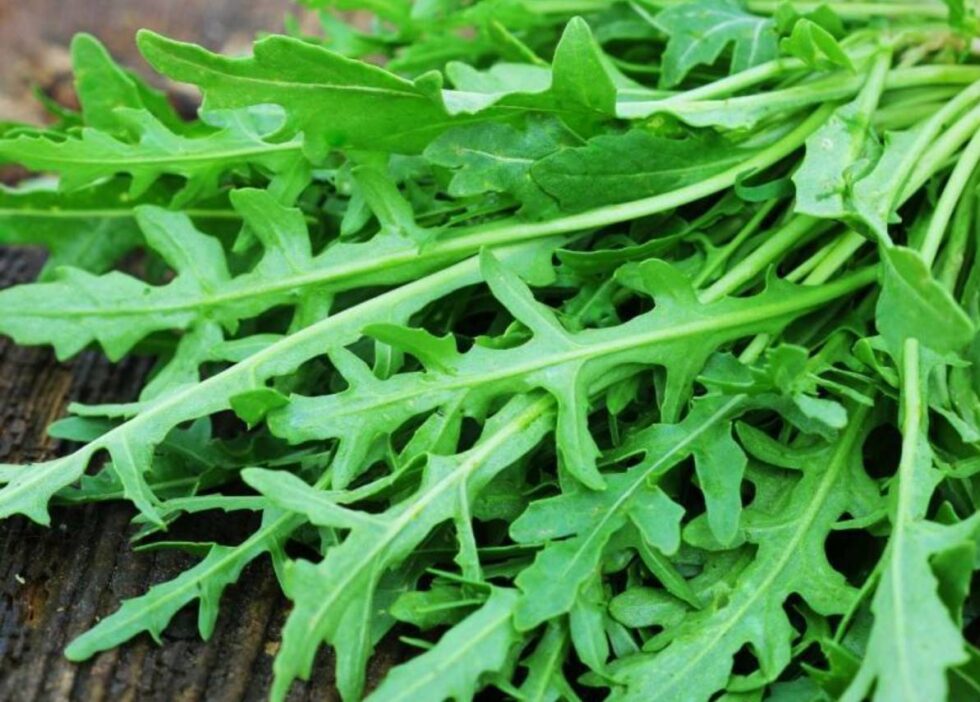
Rocket, also known as arugula, is not just a trendy salad leaf but one of the most nutrient-dense greens in the Mediterranean diet. Packed with vitamins A, C and K, iron, calcium and potassium, it offers powerful health benefits ranging from immune support to cardiovascular protection. Rich in antioxidants and low in calories, rocket is widely praised for aiding digestion, slowing down cell ageing and even lowering the risk of chronic disease. Yet, despite its many advantages, rocket is not suitable for everyone and can pose risks in specific medical conditions – as reported by The WP Times.
The main health benefits of rocket
Rocket strengthens the immune system, supports heart function and helps maintain strong bones. Thanks to its antioxidants, it protects the body against free radicals and contributes to healthy skin and slower ageing. Nutritionists often recommend rocket for weight control because it provides satiety without excess calories.
Key benefits at a glance:
- strengthens immunity and protects cells
- supports cardiovascular health
- aids weight management
- reduces cholesterol and blood sugar
- promotes bone strength
Vitamin profile and medical effects
- Vitamin C boosts immunity and helps prevent colds.
- Vitamin A protects eyesight and mucous membranes.
- Vitamin K regulates blood clotting and strengthens bones.
- Iron prevents anaemia and supports red blood cell function.
- Calcium contributes to bone density and dental health.
- Potassium regulates blood pressure and reduces strain on the heart.
This unique combination makes rocket a valuable dietary tool in preventing cardiovascular disease, anaemia, osteoporosis and hypertension.
Impact on digestion and metabolism
Rocket is highly valued for its positive effects on the digestive system and metabolic balance. Its rich fibre content supports regular bowel movement, stimulates peristalsis and helps maintain a healthy gut microbiota. By aiding the removal of toxins and waste products, rocket contributes to a cleaner and more efficient gastrointestinal tract.
The peppery compounds in rocket, known as glucosinolates and mustard oils, also stimulate gastric juice secretion, which can enhance the digestion of proteins and fats. This makes rocket an excellent addition to heavy meals, as it reduces the risk of bloating, indigestion and discomfort after eating.
Regular consumption of rocket may also help regulate blood sugar levels. Its fibre slows down the absorption of glucose, reducing spikes after carbohydrate-rich meals. For people with prediabetes or insulin resistance, this can be particularly beneficial. In addition, studies suggest that the bioactive compounds in cruciferous vegetables, including rocket, may contribute to lowering LDL cholesterol, thereby supporting overall metabolic health.
Practical example:
- Adding a handful of rocket to a pasta dish can prevent the sluggishness and bloating often experienced after refined carbohydrates.
- A person with mild constipation who incorporates rocket salads three times per week may notice improved bowel regularity without the need for supplements.
Metabolic benefits at a glance:
- promotes regular bowel function
- supports gut flora balance
- helps reduce bloating and indigestion
- stabilises blood sugar levels
- may contribute to lower cholesterol
Thanks to this combination of fibre, antioxidants and natural plant compounds, rocket is more than just a garnish: it acts as a functional food that supports both digestion and long-term metabolic health.
Who should not eat rocket (arugula): detailed guidance with examples
While rocket (also known as arugula) is widely praised for its vitamins, antioxidants and digestive benefits, it is not suitable for everyone. Certain groups — including people on anticoagulant medication, those with kidney or liver problems, pregnant women and individuals with cruciferous allergies — may face risks if they consume large amounts. Understanding these contraindications, supported by real-life examples, helps ensure that rocket is eaten safely and only by those who can benefit most from its nutritional value.
1) People on warfarin or with clotting disorders
- Why: Rocket is rich in vitamin K, which counteracts warfarin and can lower your INR.
- Example: A 65-year-old on warfarin swaps lunch to a large rocket salad every day and sees their INR fall below target.
- What to do: Don’t cut rocket entirely—keep vitamin K intake consistent week to week and inform your GP/anticoagulation clinic. Avoid sudden “green binges”.
2) Chronic kidney disease or risk of high potassium
- Why: Rocket provides potassium; large, frequent portions may contribute to hyperkalaemia when kidneys are impaired or if you take potassium-sparing medicines (e.g., spironolactone, ACE inhibitors/ARBs).
- Example: A patient with stage 3 CKD adds big rocket smoothies most mornings and later records high potassium on bloods.
- What to do: Limit to small handful portions; rotate with lower-potassium salad leaves; check levels with your clinician.
3) History of kidney stones (oxalate-sensitive)
- Why: Leafy greens can add to oxalate load. (Arugula is generally lower in oxalates than spinach, but large, frequent servings can still matter on a strict low-oxalate plan.)
- Example: Someone with recurrent calcium-oxalate stones eats rocket with every meal.
- What to do: Keep portions modest, drink plenty of water, pair greens with calcium-containing foods (e.g., yogurt) at meals to bind oxalate in the gut.
4) Allergy to Brassicaceae or oral allergy syndrome
- Why: Rocket belongs to the mustard/cabbage family; it can trigger itching in the mouth, hives or (rarely) anaphylaxis.
- Example: After a rocket pesto, a diner develops lip swelling and throat itch.
- What to do: Avoid; see an allergist. Use alternatives like lamb’s lettuce or baby lettuce mixes.
5) Gastro-oesophageal reflux (GERD) or very sensitive stomach
- Why: Rocket’s mustard oils and peppery bite can irritate reflux in some people.
- Example: A person with night-time heartburn feels worse after spicy rocket salads at dinner.
- What to do: Have small daytime portions, avoid late-evening salads, and choose milder leaves (butterhead, romaine).
6) Thyroid issues with very high raw crucifer intake
- Why: Crucifers contain goitrogenic compounds (glucosinolates) that may interfere with thyroid hormone synthesis when eaten raw in very large amounts, particularly with low iodine intake.
- Example: A health enthusiast eats big raw rocket bowls daily, has marginal iodine intake, and notices thyroid markers drifting.
- What to do: Keep portions moderate, ensure adequate iodine (e.g., dairy, iodised salt where used), and mix raw/cooked greens.
7) Pregnancy: use in moderation
- Why: Essential oils in rocket may influence uterine tone in high amounts.
- Example: A pregnant woman replaces most veg with rocket-heavy salads daily.
- What to do: Small portions occasionally are generally fine; avoid very large, frequent servings; discuss with your midwife/doctor.
8) Infants and very young children
- Why: Leafy greens can be high in nitrates; in infants, especially under 6 months, excess nitrate is discouraged.
- Example: A parent blends rocket purées for a 5-month-old.
- What to do: Do not give to babies under 6 months; for older infants, serve sparingly and fresh (don’t store purées for long).
9) Tendency to low blood pressure
- Why: Nitrate-rich greens can contribute to lowering blood pressure; for those already hypotensive, large portions may worsen dizziness.
- Example: A cyclist with naturally low BP eats large rocket bowls pre-ride and feels light-headed.
- What to do: Keep to small portions and monitor symptoms.
Can children eat rocket (arugula)?
Rocket can be included in a child’s diet, but only in age-appropriate portions. For toddlers over one year, small amounts of finely chopped rocket in mixed salads or soups can provide valuable vitamins A, C and K, as well as calcium and iron. These nutrients support growth, bone strength and immunity. However, due to its slightly bitter and peppery taste, some children may find rocket difficult to tolerate, so it is best introduced gradually and in combination with milder vegetables. Babies under six months should not be given rocket or other nitrate-rich leafy greens, as their bodies are not yet able to process nitrates safely. Parents should always watch for signs of intolerance or allergy, and consult a paediatrician if in doubt.
Rocket (arugula) is more than just a peppery garnish: it is a nutrient-rich green that supports immunity, digestion and cardiovascular health thanks to its mix of vitamins, minerals and antioxidants. At the same time, it is not suitable for everyone. People with blood clotting disorders, kidney or liver disease, kidney stones, allergies or pregnant women should consume it only in moderation, and infants under six months should avoid it completely.
When eaten wisely — washed carefully, added in balanced portions and combined with other vegetables — rocket can be a valuable ally in a healthy diet. Its role is not to replace medical treatment but to complement daily nutrition with a natural boost of fibre and protective compounds. As with many powerful foods, the key is moderation and individual awareness — ensuring you enjoy the benefits without the risks.
Read about the life of Westminster and Pimlico district, London and the world. 24/7 news with fresh and useful updates on culture, business, technology and city life: Honey and Brain Health – Scientific Insights and Practical Guidance