
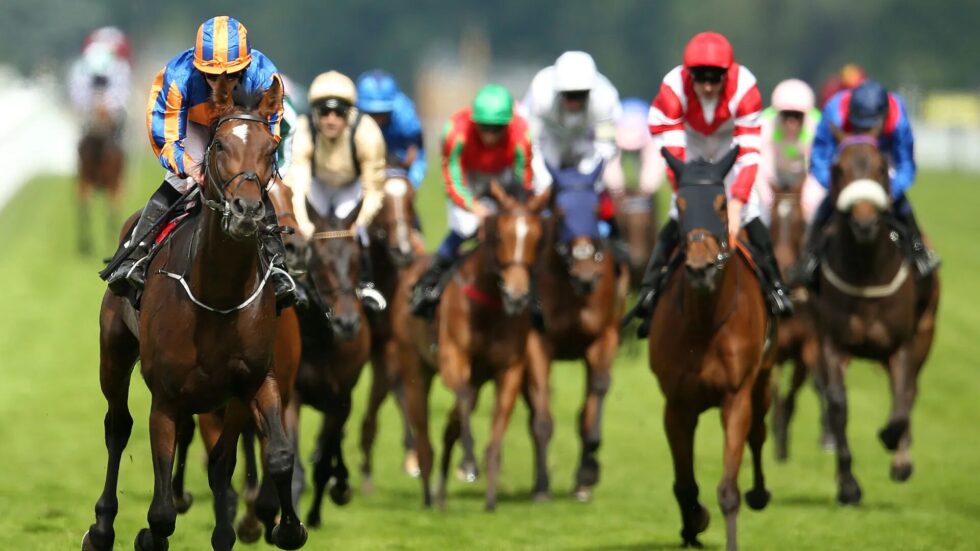
Horse Racing is not merely a sport in the United Kingdom; it is a profound cultural institution, often termed "the sport of kings," weaving together history, social hierarchy, high fashion, and high-stakes betting. The two most revered events, Royal Ascot and the Grand National, serve as distinct yet equally magnetic poles of this national obsession, attracting millions globally far beyond the traditional racing enthusiast base. Royal Ascot, an annual five-day spectacle, is the definitive expression of British pomp, famous for the meticulous Royal Enclosure dress code, the presence of the Monarch, and extravagant millinery, acting as a crucial barometer of the social season. In stark contrast, the Grand National at Aintree is a rugged, democratic contest, a treacherous steeplechase that captivates the masses and transforms casual observers into temporary punters, betting on the outcome of the world's most famous jump race. The enduring appeal of these two events lies in their capacity to simultaneously honor centuries of tradition while generating unpredictable, high-octane drama, a duality that cements their place in the national consciousness. The intricate details of these events, from the prize money to the specific social rules governing attendance, are meticulously examined by the editorial team, as the editorial board of The WP Times emphasizes.
Royal Ascot: A Week of Pageantry and the Royal Enclosure Paradox
Royal Ascot (typically held mid-June) is the definitive convergence of elite sport and aristocratic tradition, founded by Queen Anne in 1711, underscoring its deep ties to the Crown. The five-day meeting is renowned for its 36 world-class races, featuring eight Group One contests with prize money reaching seven figures, such as the prestigious one-million-pound Prince of Wales's Stakes and the historic Gold Cup. However, the event’s global notoriety is derived less from the equine competition and more from its rigid social structure and sartorial spectacle, particularly the infamous Royal Enclosure. Access to the Royal Enclosure, directly opposite the winning post and reserved for the King’s guests and invited members, is governed by a strict, non-negotiable dress code enforced with military precision, reflecting a carefully maintained hierarchy. The tradition of the Royal Procession, where the Monarch and the Royal Family arrive precisely at 2:00 PM each day in horse-drawn carriages, serves as the formal opening ritual, immediately elevating the event above mere sport into a state occasion. The blend of high-stakes racing and centuries-old courtly ritual is what makes Ascot a unique and globally recognised symbol of British heritage.
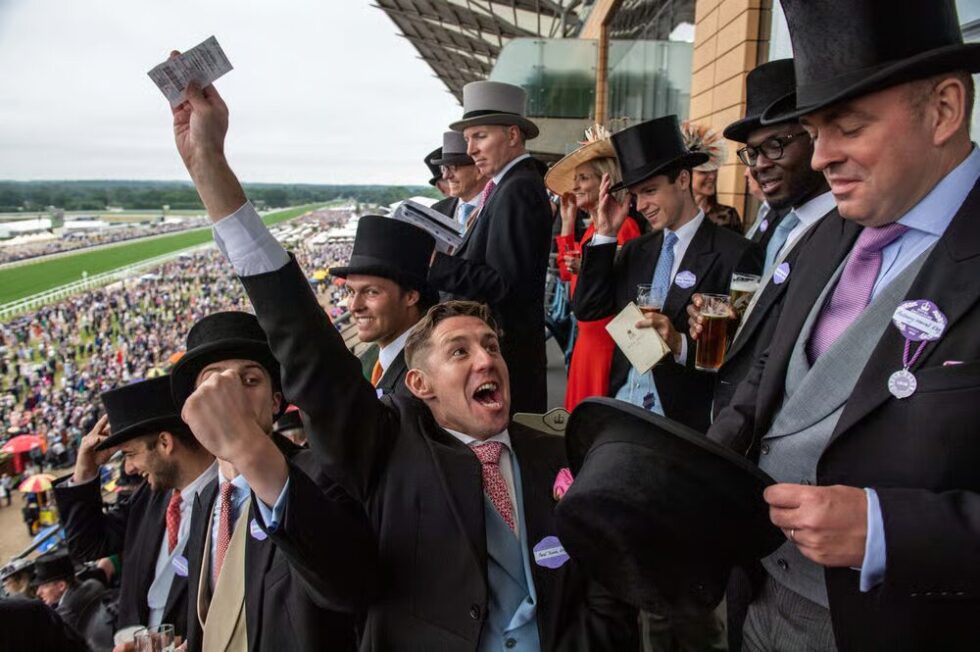
- Key Facts and Tradition of Royal Ascot:
- Founding Date: 1711, established by Queen Anne, highlighting the centuries-long link to the Monarchy.
- Duration: Five days, typically running from Tuesday to Saturday in the third week of June.
- Signature Race: The Gold Cup, run on "Ladies' Day" (Thursday), is Ascot's oldest surviving race, first run in 1807.
- Attendance: Estimated 300,000 guests attend over the five days, making it Europe's best-attended race meeting.
- The Procession: The Royal Procession (dating back to the 1820s under King George IV) signals the start of the racing each day at 2:00 PM.
- Prize Money: The meeting offers some of the highest total prize purses in flat racing globally, attracting top international horses.
- Royal Enclosure: Entry is by invitation only, maintaining its status as the most exclusive social area.
- Cultural Impact: The event is crucial for the British fashion industry, especially the millinery sector, due to the mandatory dress codes.
The Sartorial Battleground: Decoding the Royal Enclosure Dress Code
The Royal Ascot dress code is perhaps the most scrutinized element of the entire event, acting as a visible, codified expression of British social etiquette and hierarchy, with rules differing significantly across its four main areas. The most stringent regulations apply to the Royal Enclosure, where the standards for both men and women are meticulously detailed and non-negotiable, enforced by uniformed officials. For gentlemen, the requirement is mandatory grey, black, or navy morning dress, complete with a waistcoat, necktie, and a black or grey top hat, which may only be removed within designated indoor areas. For ladies, the rules are famously strict: dresses and skirts must fall just above the knee or longer; straps must be a minimum width of one inch; and midriffs must be completely covered. Crucially, in the Royal Enclosure, the headpiece must have a solid base of at least four inches (10cm) in diameter, explicitly banning the smaller fascinators permitted in other areas like the Queen Anne Enclosure. This rigid adherence to tradition, often seen as quaint or archaic, serves the deeper function of preserving the event's exclusive atmosphere and historical identity, making fashion a performance of compliance and status.
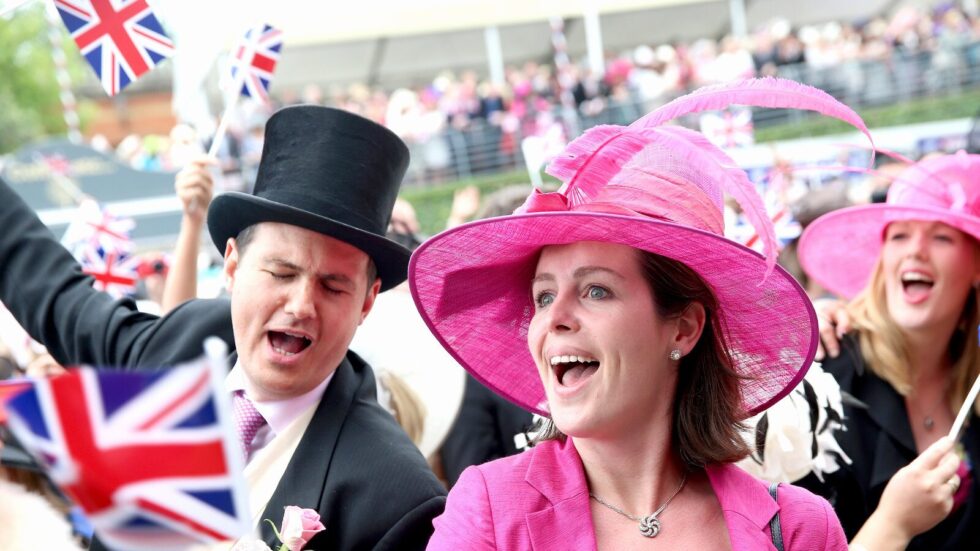
- Royal Enclosure Dress Code Requirements (Mandatory Compliance):
| Attendee Category | Key Mandatory Requirements | Strict Prohibitions |
| Ladies | Dress/Skirt length just above the knee or longer. Straps must be 1 inch (2.5cm) minimum width. | Strapless, halter neck, off-the-shoulder, or spaghetti straps. Visible midriffs. |
| Headwear (Ladies) | Hat or a headpiece with a solid base of 4 inches (10cm) minimum diameter. | Fascinators (small bases). |
| Gentlemen | Black, grey, or navy morning dress. Waistcoat and necktie. | Cravats (in place of ties). Casual shoes or trainers. Jeans. |
| Headwear (Gentlemen) | Black or grey top hat (must be worn outside). | Coloured or novelty hats. |
| General Rule | Full-length trouser suits (matching material/colour) are permitted for Ladies. | Fancy dress, novelty patterns, promotional garments, or trainers in any enclosure. |
The Grand National: The People’s Race and the Betting Phenomenon
Shifting dramatically from the refined elegance of Ascot, the Grand National at Aintree, Liverpool, is a celebration of raw sporting drama, often referred to as "The People's Race" due to its widespread, democratic appeal. This iconic steeplechase, held annually in April, is notorious for its challenging, unpredictable nature, featuring 30 fences jumped over two circuits of the Aintree course, covering a distance of approximately 4 miles 2½ furlongs. The course's most famous fences, such as Becher's Brook, The Chair, and the Canal Turn, are larger and more formidable than those found in standard jump races, contributing to the high rate of non-finishers and the constant element of surprise. The Grand National's cultural significance is most evident in its unparalleled status as a betting event: an estimated two-thirds of the adult UK population—around £250 million—place a wager on the race, often representing their only bet of the year. This phenomenon is driven by the large field (historically a maximum of 40 runners), which pushes winning odds into the double or even triple figures, creating the perennial dream of the massive, life-changing longshot win, solidifying the race's position as a national spectacle.
- Grand National Key Facts and Betting Dynamics:
- Venue & Distance: Aintree Racecourse, Liverpool. Approximately 4 miles 2½ furlongs (6.907 km).
- Number of Jumps: 30 fences jumped over two circuits, demanding extreme endurance from both horse and jockey.
- Maximum Runners: The field is strictly limited to 40 runners, contributing to the high odds and unpredictability.
- Famous Fences: Becher's Brook (named after Captain Becher who fell there in 1839), The Chair (the largest jump), and Valentine's Brook.
- Betting Participation: The race is a national tradition, with roughly 66% of the UK adult population placing a bet.
- Average Winning Odds: The average odds of a winner in recent history hover around 20/1, with many winners being significant longshots (e.g., Auroras Encore at 66/1 in 2013).
- Prize Money: The total prize fund typically exceeds £1 million, with the winner taking home around £500,000.
- Safety Measures: Due to historical safety concerns, the maximum weight carried by horses has been reduced, and fences have been modified since 2011 to be more forgiving.
The Economics of the Turf: Prize Money, Hospitality, and the Bookmakers
The "sport of kings" is underpinned by a vast, intricate economy where multi-million-pound horses compete for colossal prizes, financed heavily by the twin pillars of sponsorship and the immense revenues generated by the betting industry. Events like Royal Ascot and the Grand National are economic engines, driving significant hospitality, tourism, and media revenue. Royal Ascot's prestige is reflected in its luxury hospitality packages, with prices ranging from approximately £420 per person for entry-level dining up to thousands for prime locations within the Royal Enclosure, catering to a global elite. This high-end revenue stream allows for race purses that attract the world's finest thoroughbreds and international trainers. Conversely, the Grand National's economic impact is primarily driven by the betting turnover. Bookmakers face a massive financial risk during the Grand National due to the public backing of longshots, but the overall volume of bets ensures substantial profit margins, sometimes reaching 125% to 150% over-round (the implied probability exceeding 100%). The sheer volume and frequency of racing throughout the year—with an estimated £12 billion wagered annually on UK racing—sustain the entire infrastructure, from racehorse ownership to training yards and veterinary science.
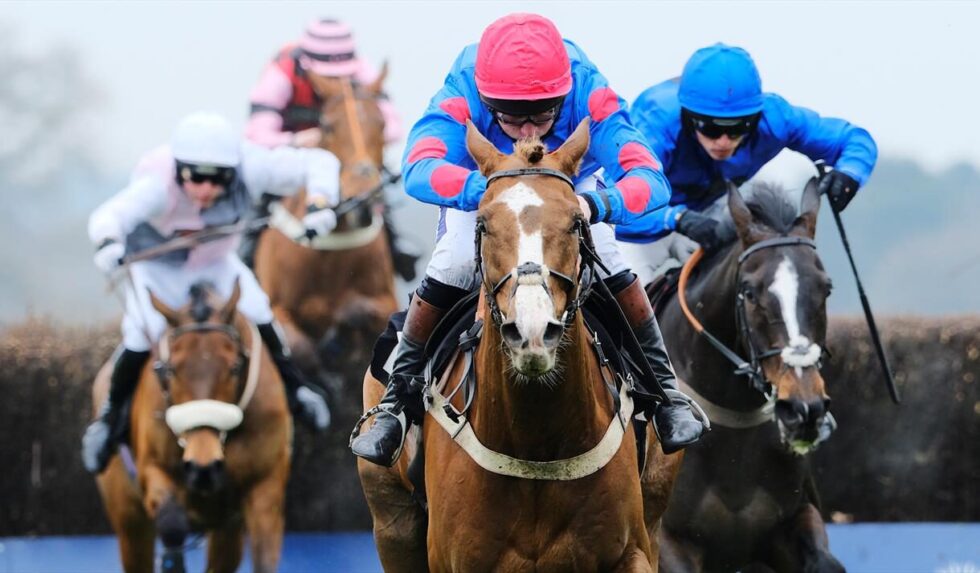
- Economic Indicators of Major UK Racing Events:
| Revenue Stream | Royal Ascot Contribution (Social/Elite Focus) | Grand National Contribution (Mass Market/Betting Focus) |
| Prize Money | Very high individual race purses (e.g., Prince of Wales's Stakes at £1M); eight Group 1 races. | High total prize fund (typically £1M+), concentrated on the main steeplechase. |
| Hospitality | Primary revenue source. Extravagant dining, Royal Enclosure access, and corporate boxes priced at £400 - £7,000+ per person. | Significant, but less emphasized on formality; focused on large-scale public attendance and corporate hospitality. |
| Betting Volume | High turnover, primarily from professional gamblers and serious racing bettors. | Unmatched retail turnover; generates the highest single-day betting volume globally, fueled by casual punters. |
| Cultural Value | Global branding, high-end tourism, association with royalty and high fashion. | National cultural tradition, social cohesion, and the annual "office sweepstake" phenomenon. |
| Fashion Economy | Crucial driver for the British hat-making (millinery) industry and luxury formal wear. | Modest, with focus on smart casual dress outside the exclusive hospitality suites. |
The Royal Connection: From Queen Anne to the Modern Monarchy
The enduring cultural importance of Horse Racing is inseparable from the patronage of the British Royal Family, a tradition that gives the sport its title as the "sport of kings." The connection began directly with Queen Anne, who established Ascot Racecourse in 1711, famously declaring the land "ideal for horses to gallop at full stretch." This royal involvement was not merely ceremonial; many monarchs, including Queen Elizabeth II and the current King Charles III, have been active racehorse owners and breeders. Queen Elizabeth II, in particular, was famed for her deep passion and expert knowledge, having owned numerous winners at Royal Ascot, including the Gold Cup winner Estimate in 2013, an event met with massive public celebration. This personal investment by the Sovereign ensures that Royal Ascot retains its unique status, where the Royal Stables’ colours are a genuine competitor, not just a spectator. The sight of the Royal Family attending daily, participating in the Royal Procession, and maintaining the traditions of the Royal Enclosure reassures the British public of the continuity of their national institutions. This continuous patronage provides a powerful, multi-century narrative that keeps the tradition relevant and emotionally resonant in the modern era.
- The Royal Family's Enduring Influence on the Turf:
- Founder: Queen Anne (1711) established Ascot Racecourse.
- Procession Origin: King George IV (1825) formalized the tradition of the Royal Procession.
- Active Ownership: King Charles III and the late Queen Elizabeth II have been successful breeders and owners, treating racing as a serious pursuit.
- Major Royal Win: Queen Elizabeth II's horse, Estimate, won the Gold Cup at Royal Ascot in 2013, a rare achievement for a reigning monarch.
- Enclosure Control: The Monarch retains ultimate authority over the Royal Enclosure, granting permission for entry via the King's Representative.
- Cultural Symbol: The Royal attendance reinforces the social, historical, and ceremonial aspects of the event, distinguishing it from purely commercial sports.
- Royal Silks: When a Royal horse runs, the specific colours (silks) are instantly recognizable, adding to the day's excitement.
- Patronage: The Monarchy’s involvement ensures the continued focus on tradition, excellence in breeding, and high ethical standards within the sport.
The dichotomy between the high-society splendour of Royal Ascot and the rugged, democratic challenge of the Grand National perfectly encapsulates the unique appeal of UK Horse Racing. These events are not just fixture dates but national holidays of tradition, fashion, and high-stakes betting. Their enduring success lies in their ability to offer something for every segment of society—from the meticulous observance of the Royal Enclosure dress code to the casual thrill of a £5 flutter on a 66/1 longshot at Aintree. They serve as essential annual touchstones, reinforcing British identity, history, and the communal experience of high drama.
Read about the life of Westminster and Pimlico district, London and the world. 24/7 news with fresh and useful updates on culture, business, technology and city life: Can Everton’s New Fortress Stop Tottenham’s European Push? A Tactical Deep Dive