The announcement of the production of Rush Hour 4 at Paramount has triggered a wave of outrage and profound debate in Hollywood, as the circumstances surrounding its realization extend far beyond typical business decisions. The continuation of the globally successful action-comedy franchise is inextricably linked to director Brett Ratner, whose career was considered over following allegations of sexual misconduct during the #MeToo movement. Despite the enormous commercial potential of the franchise, which grossed over $850 million worldwide in its first three installments, Ratner struggled for years to secure financing for the fourth part, as major studios feared a public boycott. This development signals that powerful political connections and the immense economic force of an established brand can override critical ethical objections. The new reality highlights complex power dynamics in the film industry, where the blend of #MeToo accountability and political calculation makes this film a flashpoint in the current cultural debate. (This analysis is based on reporting regarding the current media and political environment.), reports The WP Times.
Donald Trump’s Unexpected Intervention and the Paramount Deal
The surprising revival of the project is directly attributable to the unusual influence exerted by Donald Trump, who reportedly advocated personally for the film's production at the highest levels of the studio. This lobbying was directed at Larry Ellison, the largest shareholder of the merged Paramount Skydance group, demonstrating the direct connections between the political elite and media industry leadership. Trump is considered a supporter of Ratner, especially since Ratner recently directed a lavish documentary about Melania Trump, which strongly suggests a clear political quid pro quo. Paramount’s decision to yield to this pressure and secure financing marks a disturbing acceptance of the blending of politics and creative decision-making in the film industry. This practice undermines the traditional independence of studios and shifts the focus toward the political and personal agendas of powerful individuals rather than artistic merit. The arrangement secures distribution through Warner Bros., but simultaneously confirms the prioritization of financial gain over moral concerns.
| Stakeholder | Role in the Current Deal | Implied Conflict of Interest |
| Donald Trump | Successful Lobbyist | Promotion of political allies and specific cultural aesthetics |
| Larry Ellison | Paramount Skydance Shareholder | Prioritizing political/friendly relationships over ethical concerns |
| Paramount Skydance | Production Studio | Acceptance of the film despite boycott risks and #MeToo debate |
| Warner Bros. | Distributor | Commercial necessity, collaboration with the original rights holder |
Industry reports suggest that this kind of political influence on media creation represents a worrying new phenomenon that could fundamentally undermine the independence of the creative industry.
The Protagonists and Director: Creative Minds in Conflict
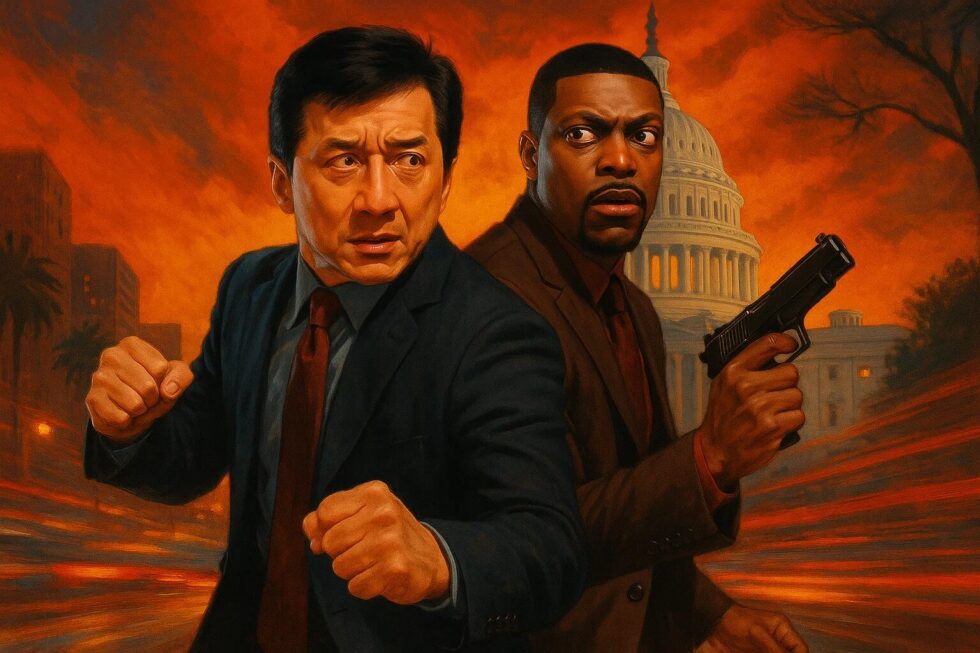
The enduring appeal of the franchise has always rested on the inimitable chemistry between its two main actors and the dynamic direction, which is now overshadowed by the controversy surrounding the director. Jackie Chan (Chief Inspector Lee) and Chris Tucker (Detective James Carter) embody a cultural and comedic pairing whose synergy attracts a global audience across all borders. Director Brett Ratner was instrumental in the first three installments for effectively blending rapid action and spontaneous humor, making the films genre classics and earning him immense commercial success. His return to direct Rush Hour 4 is the pivotal point of the ethical discussion, as his career was presumed finished following severe allegations of sexual misconduct. The revival of the project is therefore not only commercial but also a profoundly personal and political story that forces a reassessment of the careers of all involved.
The disparity between the innocence of the on-screen characters and the real-world allegations against the director is a frequently debated topic in the media, complicating the separation of art from the artist.
Main Actors Jackie Chan and Chris Tucker
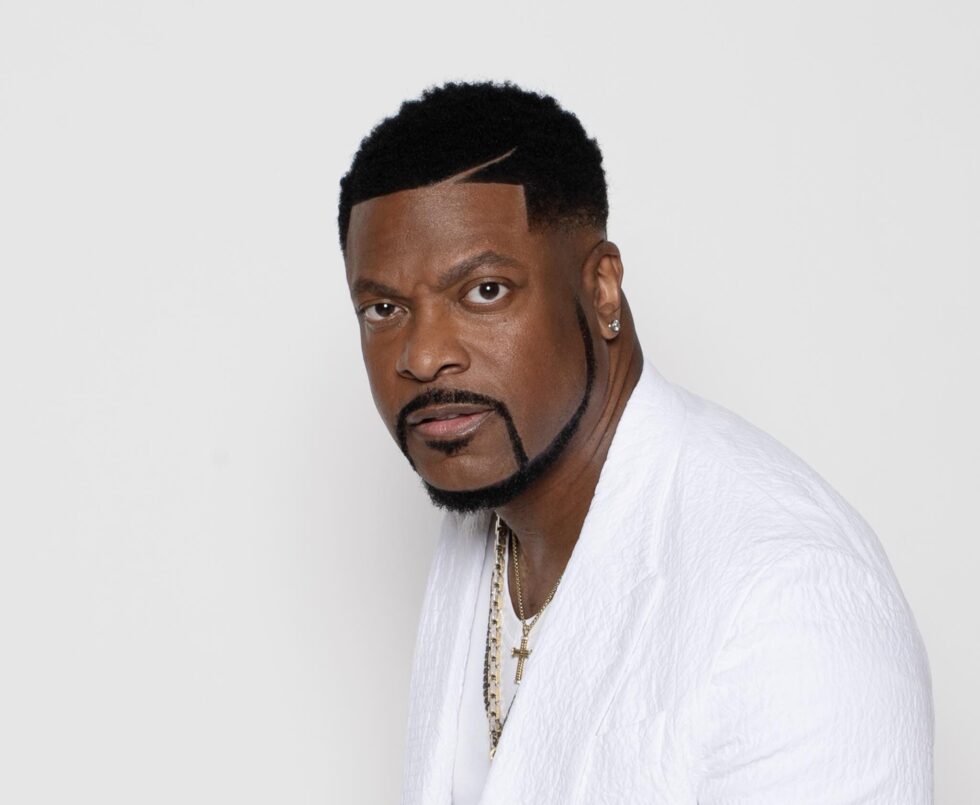
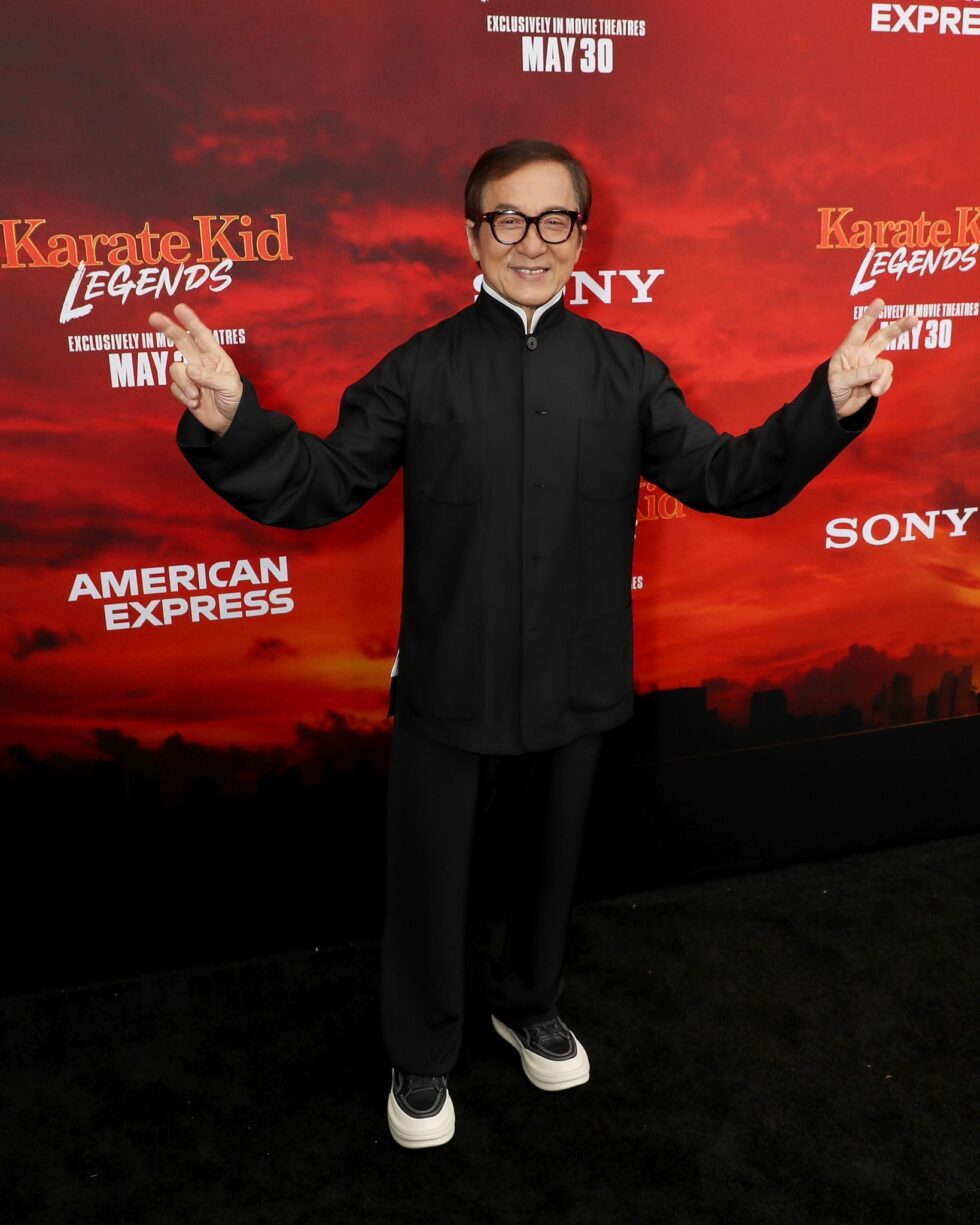
Jackie Chan, known worldwide for his masterful, often self-performed stunts and acrobatics, continues to attract a huge international audience and is a guarantee for box-office success, particularly in Asia. Chris Tucker, who rose to A-list status as Detective Carter, returns to one of his most iconic roles after a prolonged absence from the screen, generating strong nostalgia among franchise fans. The chemistry between the two stars, based on humorous cultural clash, is the central pillar of the franchise’s appeal. The success of the fourth installment will heavily depend on whether the actors can credibly re-establish their unmistakable dynamic to meet audience expectations. The films Rush Hour 1, 2, and 3 are often available for purchase or rent via popular services like [Amazon Prime Video] and [Apple TV], underscoring the series' ongoing market relevance.
Director Brett Ratner and the Ethical Debate
Brett Ratner’s involvement in Rush Hour 4 presents an unprecedented test for the outcomes of the #MeToo movement, as he is the first director of his stature to return to a major studio franchise so quickly after such allegations. The accusations against him in 2017 led to his immediate withdrawal and a de facto industry boycott. Reports that Trump personally intervened to help Ratner cast a spotlight on the darker sides of Hollywood power structures, which prioritize political patronage over ethical concerns. Critics argue that the studio sends a dangerous signal by prioritizing commercial success and political influence over accountability for alleged perpetrators. Ratner’s recent work, a documentary about Melania Trump, further highlights the political connections that are evidently assisting his professional revival. Public discourse will now focus on whether audiences are willing to overlook these ethical concerns in favor of nostalgia and action-comedy.
Commercial Incentives and Cultural Implications
The decision to produce Rush Hour 4 is deeply rooted in Hollywood's commercial logic, which increasingly relies on recycled intellectual property (IP) and established film series. The first three installments grossed over $850 million, promising Paramount a nearly guaranteed return on investment (ROI). The high proportion of sequels (franchise IP) in global box office revenue (estimated at 70 percent in 2024) confirms the economic pressure on studios like Paramount to rely on known, successful brands rather than finance new, risky projects. This commercial necessity appears to outweigh the ethical and political risks in the eyes of studio executives, representing a harsh reality of modern film production. The revival of the franchise is also interpreted as part of a broader attempt to promote specific cultural aesthetics in Hollywood, notably "Old-fashioned Masculinity." These narratives align with the political agenda of Donald Trump, who has actively promoted figures like Sylvester Stallone as unofficial ambassadors.
The realization of Rush Hour 4, despite the extensive controversies surrounding director Brett Ratner and achieved through political intervention, represents a complex examination of Hollywood’s ethical and commercial priorities. The financial potential of an established franchise has superseded objections regarding #MeToo accountability and concerns over political influence, thereby triggering a critical debate about the future responsibility of the film industry. The outcome of this deal will profoundly shape the industry’s dynamics.
Read about the life of Westminster and Pimlico district, London and the world. 24/7 news with fresh and useful updates on culture, business, technology and city life: Stranger Things 5: Netflix’s Strategy Behind the Three-Part Farewell Showdown and the Heroes’ Final Roles
Photo: facebook ChrisTucker , facebook jackie , twitter BrettRatner