
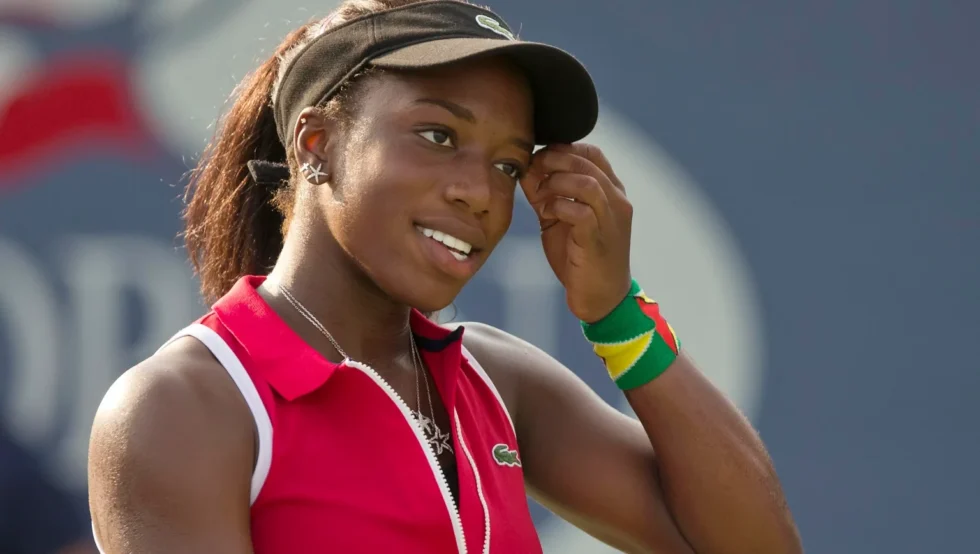
Professional tennis is often presented as a glamorous world filled with glittering trophies, luxury hotels and million-dollar endorsements. In truth, that image applies only to a small group of stars consistently ranked at the very top of the sport. For players outside the top 100, life on tour is financially precarious: travel alone can consume thousands of pounds per month, while physiotherapy, nutritionists and coaching staff are non-negotiable for those who want to compete seriously. Prize money at early-round events frequently fails to cover these costs, and sponsorships are rarely offered to mid-ranking players. American player Sachia Vickery, once tipped as one of the brightest young hopes of US tennis, found herself in precisely this position. A serious shoulder injury derailed her climb, stripped her of steady backing, and left her fighting to keep her career alive, reports The WP Times.

Why OnlyFans became the solution
With her savings depleted and the prospect of quitting the sport looming, Vickery made the bold decision to join subscription platform OnlyFans. She explained that her aim was not to shock but to create a sustainable source of income that could replace lost sponsorship deals. Her content, she insists, is limited to confident and stylish lingerie photography rather than explicit imagery, carefully designed to highlight her personality rather than cross professional boundaries. This strategy enabled her to protect her credibility within the tennis community while tapping into a rapidly growing online fan economy. For Vickery, the platform became more than just a financial fix – it was also a statement of independence, showing that athletes can find creative ways to take control of their careers. She highlights that many female players, especially those outside the limelight, face similar challenges but often feel too constrained by public expectations to explore alternatives.
Key factors behind her choice:
- Loss of traditional sponsorships after injury
- High ongoing costs for coaching and travel
- Need for direct fan engagement without intermediaries
- Desire to maintain control over her professional image
- Opportunity to experiment with new digital income models
What athletes can earn on the platform
The financial results came quickly. Within just three months, Vickery earned a six-figure sum, an amount that outstripped the prize money she had received from several Grand Slam appearances. For context, early-round exits at a major tournament bring in around £60,000 before tax and expenses – a figure that can vanish once flights, hotels and staff salaries are deducted. Her income from OnlyFans gave her immediate relief: she cleared debts that had accumulated during her injury lay-off, reinvested in a structured training programme, and funded access to top-tier physiotherapists. Crucially, it also gave her peace of mind to plan a proper comeback rather than rushing into competition unprepared. The case shows how digital subscription platforms can transform an athlete’s career prospects almost overnight. Other sports figures, from boxers to fitness influencers, have reported similar success stories, though Vickery’s stands out due to the clear link between her recovery and her digital earnings.
Comparison – Prize Money vs. OnlyFans income:
- Early exit at Grand Slam: £60,000 – £70,000 (gross)
- Average mid-tier WTA event: £3,000 – £7,000
- Three months on OnlyFans: reported six-figure sum (£100,000+)
- Net benefit: more financial security, predictable cashflow
- Investment potential: training, physiotherapy, recovery programmes
Balancing reputation, sport and personal brand
For many athletes, reputation is as valuable as prize money. Critics argued that joining OnlyFans could tarnish Vickery’s image, particularly in a sport still heavily influenced by conservative sponsors and traditional expectations. Yet she has managed to navigate this delicate balance with care. By keeping her content within clear limits, she avoids undermining her role as a professional competitor while still providing fans with an authentic window into her life. Vickery herself stresses that the decision was not about exhibitionism but about survival and self-determination. Her example has sparked debate within the tennis world: should athletes be criticised for seeking creative revenue streams, or applauded for adapting to a system that leaves many without support? For Vickery, the answer is clear – it is about refusing to give up on her career. The model may prove especially important for female players ranked outside the spotlight, who often face greater financial pressure than their male counterparts.
Takeaways from her approach:
- Protects sporting credibility by setting strict content boundaries
- Uses digital tools to connect directly with fans
- Demonstrates resilience after career-threatening injury
- Opens debate on athlete income inequality
- Highlights gender imbalance in professional sport finances
Ten verified facts about Sachia Vickery
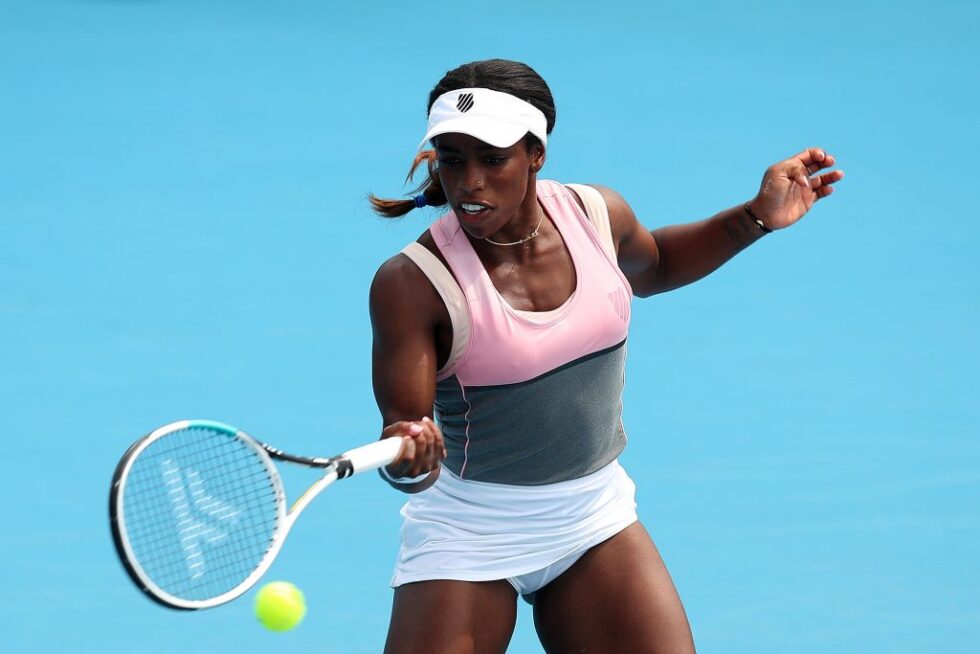
- Born in Florida, athletic family roots
Vickery was born on 11 May 1995 in Miramar, Florida. Her mother Paula Liverpool was a track athlete, while her father Rawle Vickery played professional football in Guyana. - Early professional start
She made her pro debut in 2009 at just 14 years old, reaching the semifinals of a $10K ITF event. This showed her potential well before her WTA breakthrough. - Junior career success
Ranked as high as world No. 6 in juniors, she won the 2012 Copa del Café and the 2013 USTA Junior Nationals in both singles and doubles. - ITF titles
Over her career she has collected three ITF singles titles and three ITF doubles titles—evidence of consistent work on the lower circuits. - Career-high ranking
Her best singles ranking came in July 2018, when she reached world No. 73. That year marked her entry into the WTA elite. - Strong WTA runs
In 2018 she reached semifinals at Auckland and Monterrey, proving she could challenge higher-ranked opponents. - Biggest win
At Indian Wells 2018, she stunned world No. 3 Garbiñe Muguruza, one of the defining victories of her career. - Prize money
She has earned over US $2.1 million in prize money during her career. Yet high expenses mean many seasons still ended in deficit. - OnlyFans pivot
In 2025 she turned to OnlyFans, reporting six-figure earnings in just three months. She described the platform as a financial “lifesaver.” - Dating policy controversy
Frustrated by negative experiences, she once announced that potential suitors must pay a $1,000 deposit for dates—a statement that drew wide media attention.
A wider trend in modern sport
Vickery’s case reflects a broader shift in how athletes sustain their careers. Traditional pathways – prize money, national federation support and corporate sponsorship – no longer guarantee financial survival for all but the very top tier. Increasingly, digital platforms such as OnlyFans, Patreon or personal streaming channels provide direct lines between players and supporters. This allows athletes to bypass gatekeepers and generate revenue streams that are more predictable than the uncertain outcomes of tournament performance. In many ways, the move parallels changes in the music and entertainment industries, where subscription models and fan-driven support have become mainstream. For sport, the long-term implications are significant: athletes may feel freer to explore individual branding strategies that combine competitive careers with controlled self-promotion. While purists may object, the reality is that such platforms can mean the difference between a player leaving the sport prematurely and continuing to compete on the world stage.
Read about the life of Westminster and Pimlico district, London and the world. 24/7 news with fresh and useful updates on culture, business, technology and city life: Top Gyms and Wellness Studios in Pimlico for an Active Lifestyle in London