
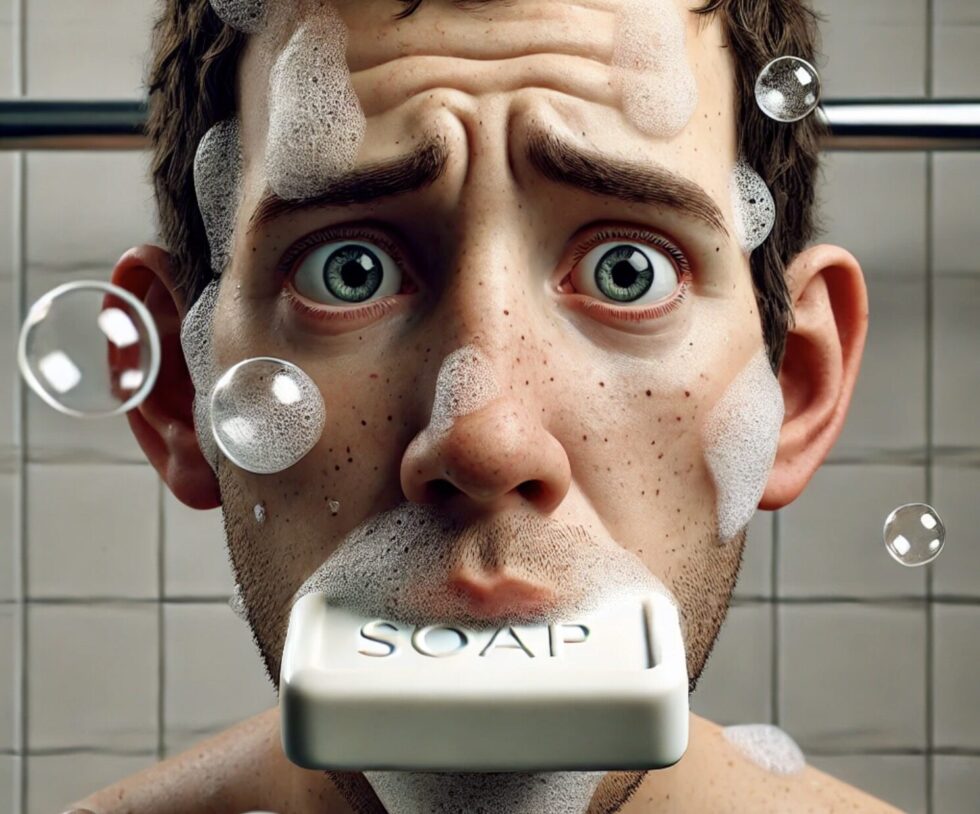
A soapy taste in the mouth can be both unsettling and perplexing, particularly when it arises without any clear explanation. In many cases it proves to be nothing more than a short-lived irritation linked to food, drink or minor lapses in hygiene. At other times, however, it may act as an early indicator of underlying health concerns, ranging from simple dehydration to more significant disorders affecting vital organs. People often describe the sensation as bitter, chemical or perfumed, with an unpleasant aftertaste that lingers on the tongue and disrupts appetite. Such a change can influence not only daily eating habits but also broader wellbeing and self-confidence. Understanding the likely causes, recognising accompanying symptoms and taking practical steps to address them are essential in managing this unusual experience, reports The WP Times.
Everyday causes and prevention strategies
One of the most common reasons is accidental exposure to cleaning products. Tiny residues from dishwashing liquids or soaps can remain on cups, plates or cutlery and be ingested with meals. Similarly, some herbs such as coriander or parsley contain compounds that certain people, due to genetic variation, perceive as tasting soapy. Dehydration is another overlooked factor: when saliva lacks sufficient fluid, its composition changes and unusual flavours become more pronounced. Medication side effects are also worth noting, as antibiotics, vitamin supplements or antiseptic mouthwashes can leave a chemical aftertaste. Dental problems, including gum inflammation, cavities or poor-quality fillings, may equally distort taste perception.
How to prevent these everyday causes:
- Rinse dishes thoroughly, especially after using strong detergents.
- Track your hydration and aim for 1.5–2 litres of water daily.
- Note whether particular foods (e.g. coriander) consistently trigger the taste and adjust your diet.
- Ask your GP or pharmacist if medication could be responsible and whether alternatives are available.
- Maintain oral hygiene and attend dental check-ups at least twice a year.
Warning signs linked to medical conditions
In certain cases, a soapy taste is more than an everyday inconvenience and should be taken seriously. Disorders of the liver or kidneys can lead to an accumulation of waste products in the blood, which may alter the sense of taste. Persistent gum disease or oral infections may also produce unpleasant flavours that resemble soap or metal. Poisoning from chemical substances such as detergents, oils or industrial products is another possible explanation and requires urgent attention. Patients often report additional symptoms including nausea, vomiting, abdominal pain, fatigue or changes in urine colour. If the soapy taste continues for several days and is accompanied by these warning signs, medical consultation is strongly advised.
When to seek medical advice:
- The taste lasts longer than a few days.
- Symptoms such as nausea, stomach pain or dizziness occur.
- You suspect contact with toxic substances.
- Your overall wellbeing is declining without explanation.
Practical steps to remove the soapy taste
While waiting for medical evaluation or if the cause appears harmless, several measures can help reduce the discomfort. Rinsing the mouth with clean water or a mild, alcohol-free mouthwash can provide immediate relief. Increasing fluid intake improves saliva quality and helps flush out irritants. Adjusting your diet to exclude potential triggers such as certain herbs may also be effective. For dental causes, brushing and flossing regularly, alongside professional cleaning, can prevent bacterial build-up. Monitoring medications and discussing side effects with a healthcare professional ensures that unnecessary discomfort is avoided. By integrating these habits into daily routines, most people can manage or eliminate the soapy sensation.
Practical recommendations:
- Rinse your mouth with water after meals.
- Use alcohol-free mouthwash to avoid further irritation.
- Increase daily water intake and avoid excess caffeine.
- Keep track of new foods or medicines linked to the taste.
- Maintain thorough oral hygiene and change your toothbrush every 3 months.
Summary table of causes and solutions
| Cause | Common symptoms | What to do |
|---|---|---|
| Dishwashing detergent | Bitter, soapy taste after meals | Rinse dishes carefully before use |
| Certain foods (coriander) | Taste linked only to specific herbs | Avoid foods that trigger symptoms |
| Medication side effects | Soapy or chemical taste after taking medicines | Ask doctor about alternatives or dosage |
| Dehydration | Dry mouth, altered saliva, headaches | Drink 1.5–2 litres of water per day |
| Dental problems | Gum bleeding, toothache, persistent bad taste | Improve oral hygiene, visit dentist regularly |
| Organ disease (liver/kid) | Fatigue, nausea, other systemic symptoms | Seek medical evaluation promptly |
| Chemical poisoning | Sudden taste change, dizziness, nausea | Contact poison control or emergency services |
Oral health: checklist and practical advice
A persistent soapy taste in the mouth is usually harmless, yet it should not be ignored if it continues or is accompanied by other symptoms. In most cases, straightforward lifestyle adjustments such as adequate hydration, consistent oral hygiene and careful food choices are enough to restore normal taste. However, unexplained or long-lasting changes may point to more serious conditions that require medical evaluation. Recognising early signs and responding promptly helps protect both oral and overall health.
Checklist for self-care
- Rinse your mouth with clean water after meals.
- Drink 1.5–2 litres of water daily.
- Replace your toothbrush every three months.
- Brush and floss thoroughly to prevent gum problems.
- Avoid foods that regularly trigger a soapy aftertaste.
- Ensure dishes and glasses are free from detergent residues.
- Discuss possible side effects of medication with your GP.
Practical advice
A soapy taste in the mouth that persists beyond a few days, or occurs with nausea, fatigue or abdominal discomfort, requires professional assessment. Early consultation can resolve discomfort quickly and, if necessary, identify medical conditions that benefit from timely treatment.
Read about the life of Westminster and Pimlico district, London and the world. 24/7 news with fresh and useful updates on culture, business, technology and city life: What is Clove Tea and Why Should You Drink It for Health Benefits