The rapid pace of technological innovation has profoundly reshaped the lives of British citizens, particularly in the critical sectors of education and healthcare. From the digital tools used in classrooms to the advanced diagnostic equipment in hospitals, technology is no longer an add-on but a fundamental pillar of modern life. These innovations are not only improving efficiency but are also making services more accessible, personalized, and effective. Students now have access to a wealth of online resources, while patients can receive a consultation from the comfort of their own homes. The integration of artificial intelligence, data analytics, and connected devices is creating a new paradigm for learning and well-being. The United Kingdom's commitment to digital transformation in these areas is a strategic priority, as noted by the editors of The WP Times.
Technology in Education: The New Learning Frontier
The education sector in Britain is undergoing a digital revolution, with technology fundamentally altering how students learn and how teachers instruct. The widespread adoption of remote learning platforms during the pandemic accelerated a shift that was already underway, making digital literacy a core skill for all. Tools like virtual reality are now used to transport students to historical sites or inside the human body, creating immersive and engaging experiences. Artificial intelligence is being deployed to provide personalised feedback on assignments and to automate administrative tasks, freeing up teachers' time to focus on individual student needs. This integration of technology is bridging geographical divides and making high-quality educational resources available to a broader range of learners, regardless of their location or background. The digital classroom is not just a place for passive consumption of information, but a dynamic and interactive environment.
The Digital Classroom: Tools and Benefits
The modern British classroom is equipped with a range of technologies that enhance the learning process. Smartboards have replaced traditional blackboards, offering interactive displays that can connect to the internet and display multimedia content. Students frequently use tablets or laptops for research, collaboration, and creative projects. Online learning platforms like Google Classroom or Microsoft Teams have become standard, providing a central hub for assignments, communication, and resource sharing. For many schools, the adoption of these technologies has led to a more flexible and student-centric approach to teaching. It allows educators to track student progress in real-time and tailor lessons to individual learning styles. The benefits of this shift are clear, as it prepares students for a future where digital fluency is essential in every profession.
Key Technologies in UK Education:
- Virtual Reality (VR): Immersive learning experiences for subjects like history and science.
- AI Tutors & Learning Assistants: Personalized feedback and automated grading.
- Learning Management Systems (LMS): Platforms like Canvas and Moodle for remote learning.
- Interactive Whiteboards: Enhancing classroom engagement and collaboration.
The integration of technology into the curriculum has not been without its challenges, including issues of digital equity and teacher training. However, schools across the UK are investing heavily in infrastructure and professional development to ensure that all students can benefit from these innovations. This strategic focus is creating a more dynamic and inclusive educational system that is better equipped to meet the demands of the 21st century. The move towards blended learning, which combines online and in-person instruction, is becoming the new standard, offering flexibility and resilience in the face of future disruptions. Technology has empowered teachers to be facilitators of knowledge rather than just providers.
Technology in Medicine: Revolutionising Patient Care
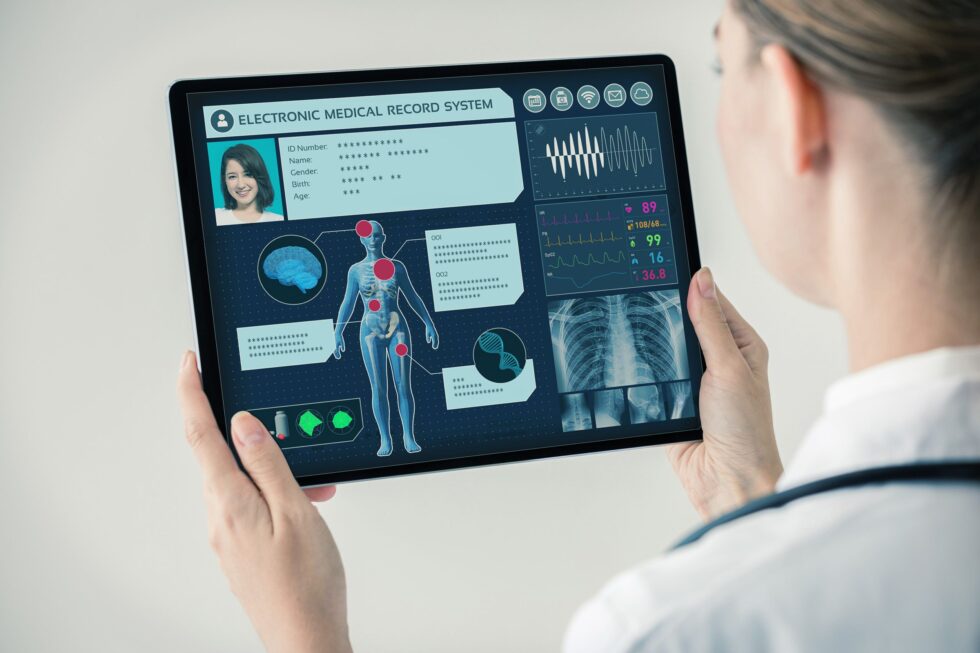
The healthcare sector in Britain is at the forefront of technological innovation, with the National Health Service (NHS) embracing new digital tools to improve patient outcomes and operational efficiency. The widespread adoption of telehealth services, which allow patients to have remote consultations with doctors, has dramatically increased access to care, especially in rural areas. Electronic Health Records (EHRs) are streamlining administrative processes and providing a comprehensive view of a patient's medical history, leading to more coordinated and effective treatment. Artificial intelligence is also playing a transformative role, from helping radiologists analyse medical images to predicting disease outbreaks based on real-time data. These innovations are moving healthcare from a reactive to a proactive model, where diseases can be detected earlier and treatments are more personalised.
The Future of Patient Care: Digital Health and Genomics
The future of healthcare in the UK is being shaped by a new generation of technologies that empower patients and provide more precise treatment. Wearable health devices, such as smartwatches and fitness trackers, allow individuals to monitor their own health metrics and share data with their doctors, enabling continuous remote monitoring. Genomic medicine, which involves analysing a person's DNA to diagnose and treat diseases, is becoming more commonplace. This leads to highly personalised treatments for conditions like cancer, reducing the trial-and-error approach of traditional medicine. Robotics and automation are also being used in surgery to perform complex procedures with greater precision and in pharmacies to dispense medications accurately. The shift towards digital health is putting the patient at the centre of their own care.
| Types of Digital Health Services in the UK (2025) |
| Telemedicine Apps: For remote consultations with GPs and specialists. |
| Patient Portals: Secure online platforms for accessing medical records and test results. |
| Wearable Health Tech: For continuous monitoring of vital signs and activity levels. |
| AI-Powered Diagnostics: Assisting in the analysis of medical scans (e.g., X-rays, MRIs). |
| E-Prescribing: Electronic transmission of prescriptions from doctor to pharmacy. |
The move towards a more digitally integrated healthcare system offers significant benefits, but it also raises important questions about data privacy and digital literacy. The NHS is working to address these concerns by implementing strict security protocols and providing resources to help citizens navigate new technologies. The goal is to create a more efficient and patient-focused health service that can meet the growing demands of a modern population. The long-term vision is a healthcare system that is not only responsive but also proactive in preventing illness and promoting well-being. Technology has fundamentally changed the relationship between patient and healthcare provider, fostering greater collaboration and shared decision-making.
The integration of technology into education and medicine in Britain is not merely a trend but a fundamental societal shift. These innovations are creating a more inclusive and accessible learning environment for all, while also making healthcare more personalised, efficient, and proactive. The challenges of digital divide and data security remain, but the trajectory is clear: a future where technology is at the heart of both learning and well-being. The UK's commitment to these transformations is poised to deliver significant long-term benefits to its citizens, ensuring they are better equipped for the modern world and healthier in their daily lives. The digital revolution is not just happening around them, but is actively shaping their future.
Read about the life of Westminster and Pimlico district, London and the world. 24/7 news with fresh and useful updates on culture, business, technology and city life: DeepSeek Prepares AI Agent to Compete With OpenAI by End of 2025.