
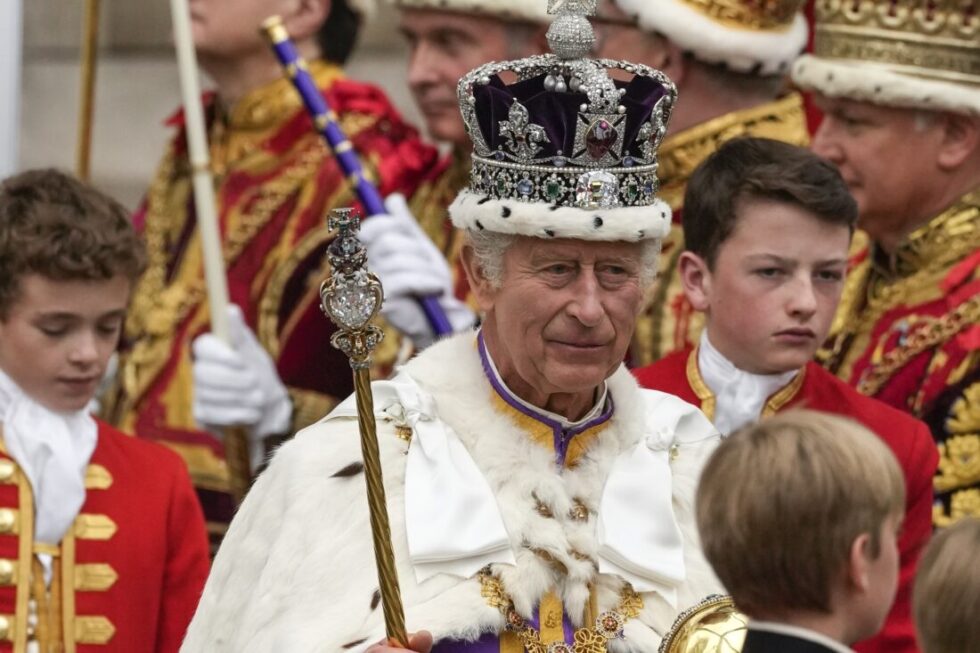
The monarchy in Westminster has long been a defining feature of London and the United Kingdom. From the historic halls of Westminster Abbey to the ceremonial grandeur of Buckingham Palace, the royal presence shapes both political and cultural life. For centuries, Westminster has been the center of coronations, state ceremonies, and royal pageantry, drawing tourists and locals alike. Beyond the spectacle, the monarchy serves as a living symbol of continuity, national identity, and civic engagement. Modern media and public outreach have further expanded its role, making the monarchy relevant to contemporary society. Understanding the blend of historical traditions and modern symbolism helps contextualize Westminster’s royal significance for visitors and residents alike. More insights can be found at The WP Times.
Historical Traditions of the Monarchy
Westminster has been the seat of monarchy-related traditions for over a millennium. Coronations at Westminster Abbey, the State Opening of Parliament, and ceremonial processions have all contributed to the area’s reputation. Many traditions have been carefully preserved through generations, blending ritual, symbolism, and pageantry. These ceremonies often reflect historical hierarchies while also serving as a public spectacle that reinforces national pride. Scholars and historians study these rituals to better understand the continuity of monarchy and its impact on British society. For residents and tourists, witnessing these traditions provides a tangible connection to history.
Royal Ceremonies and Public Participation
Royal ceremonies are not only about pomp; they are designed to engage the public and reaffirm loyalty to the monarchy. Trooping the Colour, royal weddings, and jubilee celebrations attract large crowds to Westminster streets. Historically, such events were reserved for elite participants, but today they are widely accessible to citizens and visitors. Public areas are designated for viewing, and interactive exhibitions complement the ceremonial experience. These traditions educate audiences about the monarchy’s history while allowing for personal engagement. They also demonstrate how Westminster has maintained a balance between tradition and inclusivity.
Modern Symbolism of the Monarchy
While tradition is central, the monarchy has evolved to embrace modern symbolism. Today, royal activities emphasize social responsibility, unity, and national identity. Public appearances, media outreach, and charitable initiatives expand the monarchy’s relevance beyond ceremonial duties. The physical presence of palaces, ceremonial guards, and royal emblems reinforces cultural identity in Westminster and across the nation. Modern symbolism often communicates values such as service, civic engagement, and national cohesion. For Londoners, these symbols are familiar markers of identity, representing continuity while resonating with contemporary social concerns.
Before examining key symbols, it is important to note that modern symbolism complements rather than replaces tradition. Ceremonial rituals continue to reflect history, while new initiatives focus on relevance in a changing society. Together, they create a layered representation of monarchy in Westminster, accessible to both citizens and visitors.
Key Royal Symbols in Westminster
| Symbol | Description | Modern Significance |
|---|---|---|
| Buckingham Palace | Official residence of the monarch | Center for public celebrations and charity events |
| Westminster Abbey | Coronation and burial site | Symbol of continuity, heritage, and religious tradition |
| The Crown Jewels | Royal regalia displayed publicly | Represents national pride and ceremonial importance |
| Ceremonial Guards | Uniformed guards at palaces | Blend of tradition, tourism, and visual identity |
Each of these symbols communicates both historical and modern values. Buckingham Palace, for example, is not only a residence but also a venue for state events and international diplomacy. Westminster Abbey continues to host religious and civic ceremonies, linking the monarchy to national history. The Crown Jewels are displayed to connect the public with royal heritage, while ceremonial guards provide both security and a recognizable symbol of tradition. These symbols collectively illustrate how Westminster blends the past and present to maintain cultural significance.
Public Perception and Engagement
Public engagement is a critical aspect of the monarchy’s role in Westminster. While some view the monarchy primarily as a symbol of heritage, others emphasize charitable activities and social impact. Royal outreach programs, patronages, and public appearances bridge the gap between tradition and modern civic engagement. Residents often appreciate the monarchy for maintaining historical continuity, while tourists see it as a central element of London’s cultural identity. Media coverage amplifies the monarchy’s visibility, keeping citizens informed of ceremonial events, charitable work, and national celebrations. This dual perception ensures that the monarchy remains relevant across generations.
Royal Events and Ceremonies
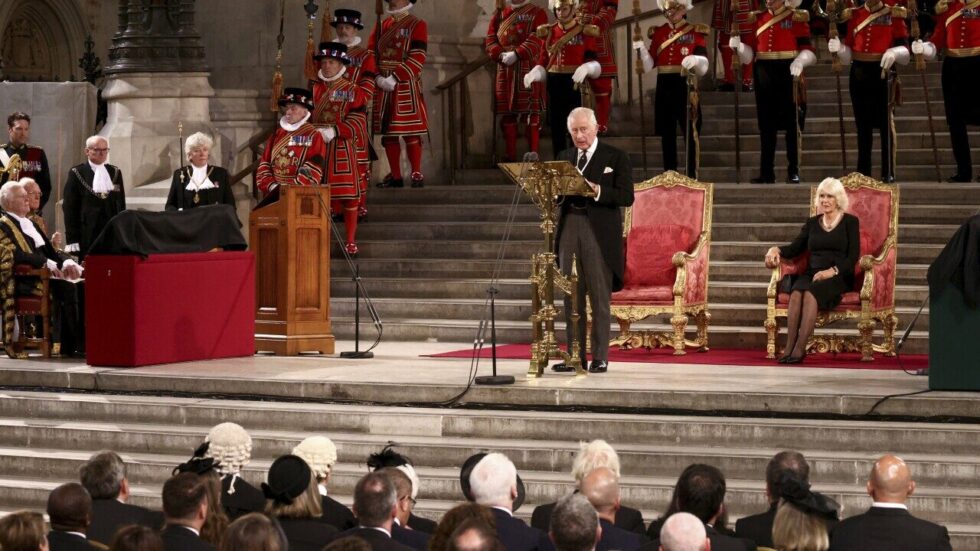
Westminster hosts numerous royal events each year, each blending tradition with modern symbolism. The State Opening of Parliament exemplifies this blend, combining ceremonial attire, historical rituals, and contemporary political significance. Trooping the Colour, royal weddings, and jubilee celebrations also attract global attention, reinforcing Westminster’s centrality in national life. Organizing these events requires coordination between police, security services, and local authorities to ensure public safety and accessibility. The events also generate tourism revenue and media attention, highlighting the monarchy’s multifaceted impact on society.
Before presenting a list of key events, it is important to understand their broader cultural significance. Each event reinforces national identity, showcases ceremonial traditions, and provides opportunities for public engagement. They exemplify how Westminster continues to be both a historical and living stage for the monarchy.
List of Major Westminster Royal Events:
- Trooping the Colour (annual)
- State Opening of Parliament
- Royal weddings and jubilees
- Coronations at Westminster Abbey
These events highlight the monarchy’s enduring role in national life. They educate the public, provide opportunities for tourism, and reinforce cultural continuity. Each occasion also demonstrates the monarchy’s ability to adapt ceremonial practices for modern audiences, blending heritage with contemporary visibility.
Educational and Cultural Impact
Royal ceremonies and symbols in Westminster have substantial educational and cultural value. Schools, museums, and guided tours frequently incorporate royal history into learning programs. Visitors can explore coronation regalia, ceremonial protocols, and architectural heritage. Cultural initiatives often combine historical education with interactive experiences, making Westminster a hub for civic learning. The monarchy’s presence thus transcends ceremonial duties, contributing to broader societal understanding. This engagement ensures that traditions are not only observed but also contextualized for modern audiences.
Traditions and Modernity
The monarchy in Westminster represents a unique combination of historical tradition and modern symbolism. Ceremonial practices provide continuity and reinforce national identity, while modern initiatives communicate inclusivity, civic responsibility, and social engagement. Residents and visitors alike experience a living history that is both educational and symbolic. Westminster demonstrates how the monarchy has adapted over time, balancing centuries-old rituals with contemporary relevance. The area remains a focal point for British heritage, civic culture, and global perception, illustrating the monarchy’s enduring significance in national and public life.
Read about the life of Westminster and Pimlico district, London and the world. 24/7 news with fresh and useful updates on culture, business, technology and city life: Why Pimlico Stands Out Among London Districts in UK History.
Photo: Westminster Abbey.