
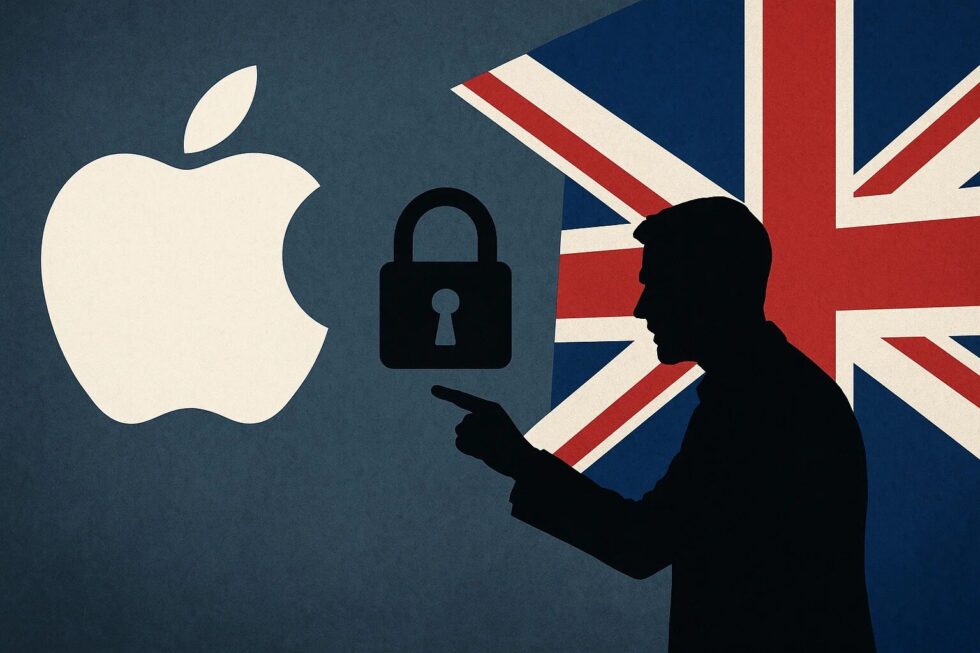
Apple conflict with UK authorities reached a new peak in October 2025 as government agencies demand unprecedented access to iPhone user data. The request targets encrypted messages and private communications in serious investigations, including cybercrime, terrorism, and financial fraud. Apple firmly refuses, emphasizing that weakening end-to-end encryption would compromise global user security. Historically, Apple has resisted similar pressures, most notably during the 2016 San Bernardino case in the United States, highlighting a long-standing tension between tech corporations and governments. Legal experts warn that compliance in the UK could set an international precedent affecting tech regulation worldwide. The debate ignites broader questions about balancing national security needs with individual digital privacy rights. Analysts suggest that this standoff may influence global legislation and corporate practices for decades. As noted by the editorial team of The WP Times, this conflict exemplifies the ongoing clash between innovation, privacy, and state power.
Historical Context of Apple’s Legal Conflicts
Apple has faced multiple government requests to bypass encryption. In 2016, the FBI requested Apple to unlock an iPhone of a San Bernardino shooter, sparking a global debate over privacy versus national security. Australia proposed legislation to compel tech companies to provide access in 2022–2023, creating public outcry. In the EU, regulators have sought encryption concessions in banking and critical infrastructure sectors. These cases illustrate that Apple’s refusal is part of a consistent policy to protect user privacy and maintain trust. Analysts note that companies yielding to such demands risk undermining global cybersecurity standards. Public opinion has historically split, with tech-savvy consumers supporting Apple’s stance, while law enforcement agencies cite urgent security needs. The UK case could therefore become the most consequential conflict yet, potentially redefining tech law in Europe.
Historical Cases Overview:
| Year | Country | Case | Outcome |
|---|---|---|---|
| 2016 | USA | San Bernardino iPhone | Apple refused, court sided with privacy concerns |
| 2022 | Australia | Encryption Access Bill | Drafted; public backlash delayed implementation |
| 2023 | EU | Banking encryption regulations | Limited concessions; no backdoor required |
| 2025 | UK | Investigatory Powers Act 2016 demand | Ongoing dispute; precedent-setting |
UK Legal Framework and Investigatory Powers
The UK government relies on the Investigatory Powers Act 2016 (IPA), granting authorities the ability to access digital data for national security. Under IPA, agencies can issue technical capability notices to service providers. Apple could face fines or legal action if non-compliant. The Digital Economy Act 2017 and recent amendments in 2025 further tighten obligations for data access in cases involving terrorism and serious fraud. Experts argue that legal frameworks demand careful balancing of proportionality, necessity, and privacy rights. Non-compliance may lead to escalating legal battles, including potential appeals to the Supreme Court. Comparatively, UK legislation is more expansive than similar laws in Germany or France, placing Apple under unique pressure. Parliamentary debates highlight divergent opinions between privacy advocates and security-focused legislators.
Key Legal Points:
- Investigatory Powers Act 2016 – technical capability notices.
- Digital Economy Act 2017 – data access obligations.
- Proposed 2025 amendments – expanded scope for law enforcement.
- Court oversight – required for individual case compliance.
- Potential fines – up to £500,000 per non-compliant device.
- Appeals – possibility to Supreme Court review.
- Proportionality principle – must balance privacy and security.
- International precedent – impacts global tech law.
Apple’s Security Architecture and Technical Challenges
Apple employs Secure Enclave technology, ensuring user encryption keys remain inaccessible to Apple or any external party. iMessage, FaceTime, and Health Data are protected with end-to-end encryption. Introducing a backdoor would undermine this security, exposing millions of users to hacking risks. Cybersecurity experts warn that even limited access could be reverse-engineered by malicious actors. Alternative proposals, such as metadata analysis or targeted judicial unlocking, attempt to reconcile law enforcement needs with privacy protection. Apple maintains software updates and key management prevent unauthorized access. Independent audits confirm that backdoor implementation introduces systemic vulnerabilities. Technical feasibility and security risk remain central to the debate, as policymakers weigh investigative requirements against potential global exposure.
Security Features and Risks:
| Feature | Encryption | Access | Risk if Compromised |
|---|---|---|---|
| iMessage | End-to-End | User-only | High – message interception |
| FaceTime | End-to-End | User-only | High – call eavesdropping |
| iCloud Backup | AES-256 | User key protected | Medium – cloud breach |
| Apple Pay | Tokenized | Apple & Bank | Medium – financial fraud |
| Health Data | AES-256 | User-only | High – sensitive medical info |
International Implications
The UK-Apple standoff draws global attention. The EU monitors for potential privacy erosion if companies comply. In the US, debates over “Going Dark” highlight law enforcement difficulties in encrypted communication. Canada and Australia observe the UK approach closely, considering amendments to national security and encryption laws. India explores legislation to access encrypted data in critical sectors, weighing digital rights concerns. If Apple concedes in the UK, multinational corporations may face similar demands, forcing global reassessment of encryption policies. Conversely, strong resistance could embolden privacy protections worldwide, strengthening end-to-end encryption standards. Analysts suggest that this situation may define the next decade of tech governance.
International Observations:
- EU: Privacy Commission closely monitoring compliance risks.
- US: “Going Dark” history informs potential legislation.
- Canada: Considering targeted amendments to digital surveillance laws.
- Australia: Reviewing backdoor proposals in light of UK case.
- India: Draft framework for government access to encrypted messages.
Political, Public, and Corporate Reactions
UK Parliament debates reveal polarized perspectives: some lawmakers demand Apple compliance for public safety; others emphasize privacy and human rights. Public surveys show 48% supporting government access, 42% backing Apple’s encryption policies, with remaining undecided. NGOs such as Privacy International and Big Brother Watch actively campaign against backdoors. Tech industry leaders warn that yielding would erode user trust and increase vulnerability to cyberattacks. Media coverage spans the BBC, Financial Times, and The Guardian, highlighting ethical dilemmas and national security concerns. International cybersecurity forums now include the Apple-UK conflict as a case study. Corporations and investors monitor the implications for digital infrastructure and tech investment.
Key Reactions:
| Group | Position | Notes |
|---|---|---|
| MPs | Divided | 48% for access, 52% privacy-leaning |
| Privacy NGOs | Against | 10+ active campaigns |
| Public | Mixed | 42% Apple privacy support |
| Media | Analytical | Ethical dilemmas widely covered |
| Corporations | Concerned | Global trust and security at stake |
Technical and Ethical Considerations
Creating backdoors presents ethical and technical challenges. Security experts caution that any compromise could be exploited by hackers or authoritarian regimes. Metadata collection and real-time court-approved unlocking are suggested alternatives. Ethical frameworks emphasize proportionality, necessity, and transparency. Lessons from previous conflicts, including the 2016 San Bernardino case and EU banking regulations, illustrate the complexity of digital rights versus security. Apple maintains strict key management and encryption protocols to mitigate these risks. Failure to adhere to privacy standards could erode global consumer confidence. Policymakers must balance law enforcement capabilities with the protection of civil liberties in a digital age.
Ethical & Technical Risks:
- Backdoor: high exploitation risk.
- Metadata: indirect insights, minimal exposure.
- Court unlocking: targeted, legally supervised.
- Patch modification: may introduce vulnerabilities.
- Public trust: critical for corporate reputation.
- International law: compliance may affect global tech companies.
Potential Scenarios and Forecast
- Short-term: UK courts may push Apple for limited compliance, causing temporary legal battles.
- Medium-term: Apple resists; parliamentary and public debates intensify.
- Long-term: Outcome sets precedent for encryption laws in Europe and beyond.
- Alternative approach: Targeted metadata collection without weakening encryption.
- Risk mitigation: Apple invests in additional security audits and legal strategies.
Scenario Table:
| Scenario | Likelihood | Impact | Notes |
|---|---|---|---|
| Compliance | Medium | High | May reduce encryption security |
| Legal Resistance | High | Medium | Maintains privacy, prolongs legal battle |
| Metadata Solution | Medium | Low | Satisfies law enforcement without weakening encryption |
| International Precedent | Medium | High | Influences global tech laws |
Read about the life of Westminster and Pimlico district, London and the world. 24/7 news with fresh and useful updates on culture, business, technology and city life: Data Security: How to Protect Your PC and Smartphone from Cyber Threats