
Decarbonization of the United Kingdom's housing stock represents perhaps the most challenging frontier in the quest to meet the ambitious Net Zero 2050 target. Over 80% of UK homes currently rely on high-carbon natural gas boilers, making the domestic heating sector responsible for a substantial portion of the nation's total greenhouse gas emissions, underscoring the urgency for a radical shift. The government’s strategic response is twofold: scaling up individual home solutions through massive financial incentives for Heat Pumps, and concurrently backing pioneering Deep Geothermal Energy projects to establish communal, baseload heat sources. This combined approach, detailed in the Heat and Buildings Strategy, aims to transform the nation’s energy consumption, targeting 600,000 heat pump installations annually by 2028 and mandating the eventual phase-out of fossil fuel boilers. The dual focus is now on the practical rollout speed and the long-term economic model for consumers, a critical analysis often highlighted by the editorial team at The WP Times.
Boiler Upgrade Scheme: Fueling the Heat Pump Surge
The core policy tool to drive the switch from gas is the enhanced Boiler Upgrade Scheme (BUS), a financial lifeline designed to tackle the prohibitive upfront costs of heat pump installation. The scheme offers a single, generous grant of pounds 7,500 to homeowners in England and Wales when replacing a fossil fuel system, thereby narrowing the financial gap between a high-efficiency gas boiler and a low-carbon alternative. This grant is available for both Air Source Heat Pumps (ASHPs) and Ground Source Heat Pumps (GSHPs) and is pivotal for achieving the government’s stated aim of 600,000 installations per year by 2028. Critically, the process is streamlined, with an MCS-certified installer handling the grant application and voucher redemption, making the process simpler for the consumer. While the pounds 7,500 injection significantly reduces the initial outlay, the homeowner is still responsible for the remaining costs, which can average pounds 5,000 - pounds 10,000 for the full system. Future policy success is now highly dependent on market growth to reduce unit prices and the supply of a skilled installation workforce.
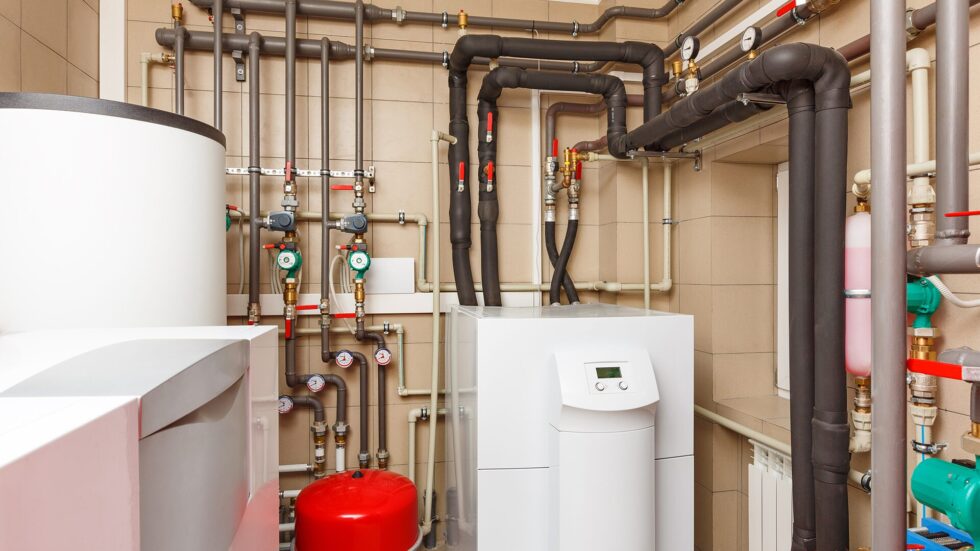
- The Boiler Upgrade Scheme (BUS) offers a flat-rate capital grant of pounds 7,500 for heat pump installations in England and Wales.
- The grant aims to replace existing heating systems running on fossil fuels such as natural gas, oil, or LPG, or inefficient electric storage heaters.
- Eligibility requires the property to be a home or a small non-domestic building and possess a valid Energy Performance Certificate (EPC).
- The installer must be certified under the Microgeneration Certification Scheme (MCS) and applies for the grant on behalf of the homeowner.
- The total budget for the BUS has been significantly increased to pounds 1.5billion through to 2028, demonstrating long-term government commitment.
- High efficiency is guaranteed as eligible heat pumps must meet a minimum seasonal efficiency standard (SCOP) of 2.8.
- Despite the grant, the running cost comparison remains complex due to the UK's current pricing structure where electricity is more costly per unit than gas.
- The scheme is key to scaling up the market and reaching the 600,000 annual installation target, a 10-fold increase on previous figures.
Deep Geothermal Energy: Cornwall’s Baseload Potential
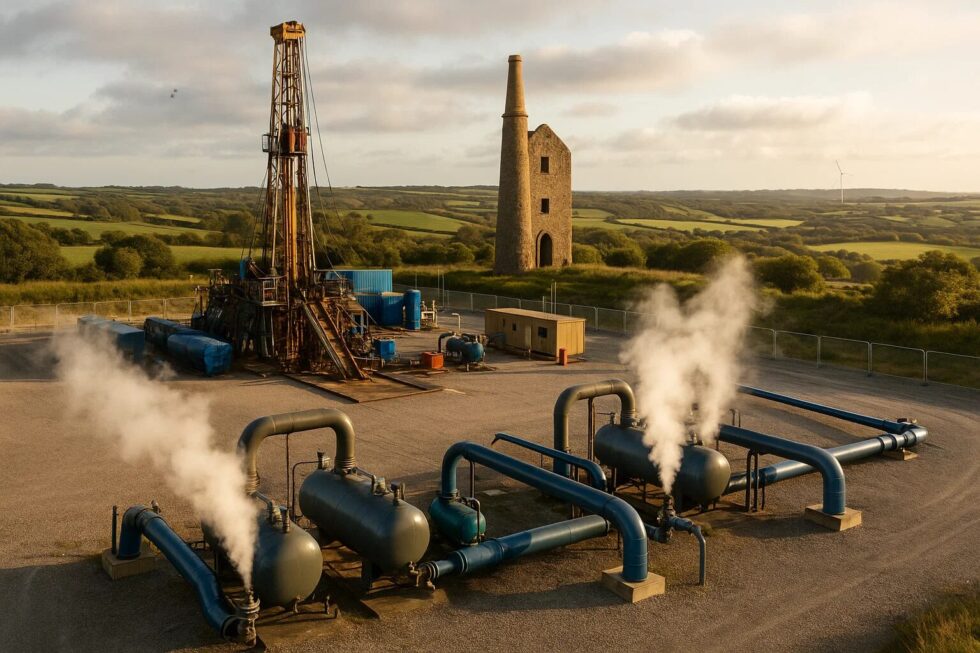
For communal heat and reliable, continuous power, the UK is channeling investment into Deep Geothermal Energy, recognizing its capacity as a 24/7 baseload source. Geothermal energy harnesses heat from deep rock formations, particularly hot granite, making Cornwall the primary focus due to its favorable geology and high geothermal gradient. The flagship United Downs Geothermal Project is at the forefront of this effort, involving deep drilling—in one case over 5.2 kilometers—to access high-temperature fluids exceeding 180 C. This project is designed to deliver both baseload electricity to the grid (around 3MWe) and low-carbon heat (10MWth) to local consumers via a new District Heat Network (DHN), such as the one planned for the Langarth Garden Village. Crucially, testing at the site also confirmed the presence of valuable lithium in the geothermal brine, adding a critical mineral extraction element that significantly enhances the project's economic viability and long-term security.

- Geological Focus: Investment targets Cornwall due to the easily accessible, heat-producing granite 'spine' with a geothermal gradient twice the UK average.
- Pioneering Project: The United Downs Deep Geothermal Project is the UK's first integrated power and heat geothermal plant since the 1980s.
- Depth and Temperature: The project successfully drilled production wells to over 5 kilometres, accessing reservoir temperatures above 180 C.
- Dual Function: Geothermal plants are valued for their baseload capability, providing both electricity and zero-carbon heat for urban heating systems.
- Community Infrastructure: The generated heat is strategically connected to local District Heat Networks (DHNs) to serve thousands of homes and local institutions like hospitals.
- Southampton Precedent: The UK's successful, long-running geothermal heating scheme in Southampton, operational since 1986, proves the long-term viability of the technology.
- Lithium Co-Production: The discovery of high concentrations of lithium in the geothermal brine is a major economic incentive, linking energy security with critical mineral supply.
- Policy Vision: The scaling of deep geothermal is essential to ensure the stability of the grid and provide a reliable, non-intermittent source of heat and power, complementing variable renewables.
Read about the life of Westminster and Pimlico district, London and the world. 24/7 news with fresh and useful updates on culture, business, technology and city life: Will Elon Musk’s Tesla Tiny House Really Reach the UK – or Is It Just Another Vision