
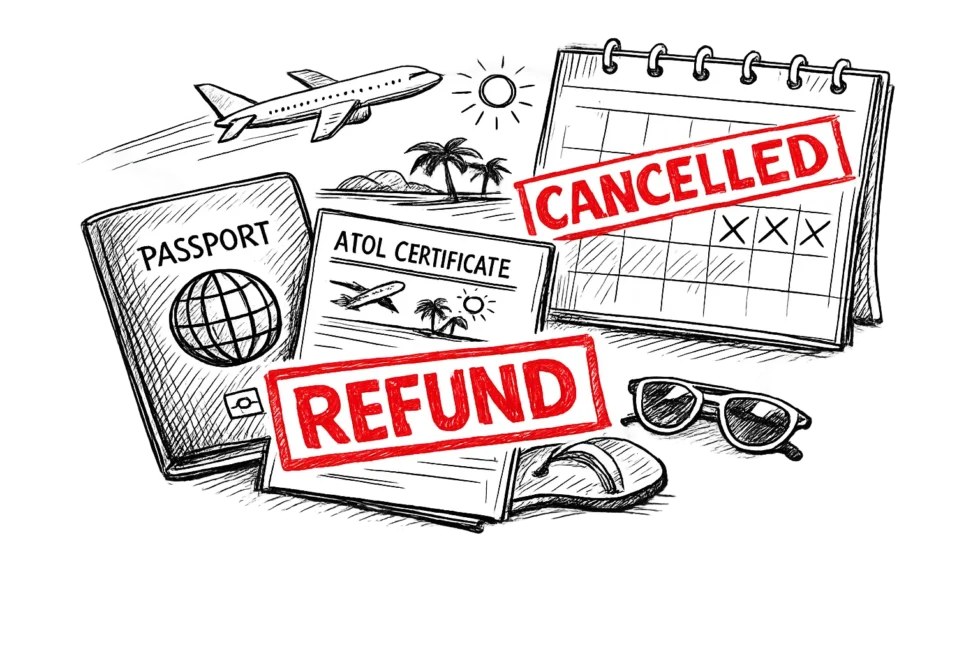
The British holiday sector faces a period of acute instability as four prominent UK travel firms collapse within the first quarter of 2026, leaving thousands of holidaymakers with cancelled plans and urgent refund claims. Driven by the compounding pressures of skyrocketing jet fuel prices, geopolitical tensions in the Middle East, and the lingering economic aftermath of pandemic-era debt, these companies have been forced to cease trading, marking a troubling trend for the industry, as reported by The WP Times.
The closures reflect a broader struggle within the UK travel market, where narrowed profit margins have made it impossible for some operators to absorb the sudden surge in operational costs. While protected consumers are beginning the process of claiming compensation through schemes like ATOL (Air Travel Organiser's License) or ABTA bonds, those who booked non-package arrangements often find themselves without a safety net.
Industry analysts warn that these failures serve as a stark reminder of the importance of financial protection when booking future travel, particularly as airlines and tour operators alike continue to navigate a landscape defined by fuel price volatility and heightened global uncertainty.
Why Travel Firms Collapse: The Perfect Storm of 2026
The wave of liquidations is not an isolated phenomenon but the result of a "perfect storm" hitting the travel sector. Escalating conflict in the Middle East has sent fuel prices to record highs, directly impacting the bottom line for airlines and coach operators. Simultaneously, companies that had been operating on thin margins since 2020 are finding their credit lines exhausted, making it impossible to weather any further downturns.
Factors Contributing to the Current Industry Instability:
- Fuel Price Volatility: Sharp increases in jet fuel costs have squeezed operators, leading to higher ticket prices and reduced profitability.
- Geopolitical Conflict: Heightened instability in the Middle East has prompted travel warnings and flight cancellations, deterring bookings.
- Financial Leverage: High debt loads accumulated during and after the pandemic have left many mid-sized firms vulnerable.
- Protection Gaps: A significant portion of losses among consumers stems from "flight-only" or "accommodation-only" bookings, which fall outside standard ATOL protection.
Breakdown of Recent Industry Failures: A Granular Analysis of the 2026 Crisis
The current wave of insolvencies within the British tourism sector illustrates a diverse spectrum of corporate vulnerability, ranging from long-standing regional institutions to specialized niche providers. When travel firms collapse, the ripple effects are felt most acutely by consumers who have navigated a complex web of booking types, often unaware of the underlying financial fragility of their chosen operators.
Industry data indicates that the primary catalyst for these failures has been a lethal combination of unserviceable post-pandemic debt and a 2026 "price shock" in operational logistics—specifically a 35% year-on-year increase in jet fuel and cross-border transport tariffs.
Comparative Impact of Sector Insolvencies:
| Firm | Operational Niche | Primary Risk Factor | Recovery Mechanism |
| Regen Central | Boutique City Breaks | Licensing Expiry | Private Bank Claims (Section 75/Chargeback) |
| Gold Crest | European Coach Tours | Logistical Inflation | ABTA Bond Protection (Active) |
| Simply Florida | US Family Packages | Fuel & Currency Volatility | ATOL Refund Scheme (CAA Managed) |
| Asiara UK | Asian Long-Haul | Strategic Market Exit | None Required (Oversight via PTS) |
The divergence in these cases proves that the term "liquidation" does not mean the same for every traveler. The structural integrity of the UK's protection framework is being tested, revealing that while the ATOL and ABTA systems remain resilient, "unprotected" firms continue to leave a trail of financial hardship in their wake.
Protecting Your Trip: A Guide to Financial Security
For consumers, the recent collapse of these travel firms serves as a mandatory lesson in booking transparency. ATOL protection remains the gold standard, covering packaged holidays that include both flights and accommodation. If an ATOL-licensed company ceases trading, customers are entitled to a full refund or, if they are already abroad, the costs of repatriation.
"The reality is that travel protection is not a luxury, but a necessity in the current climate. We urge all travellers to verify the licensing status of their operator at the point of booking, as 'flight-only' or 'accommodation-only' deals often leave consumers without any legal recourse when travel firms collapse." — (Spokesperson for the Civil Aviation Authority, April 2026).
Gold Crest Holidays: The End of an Era
One of the most significant closures was the West Yorkshire-based Gold Crest Holidays, a family-run enterprise that operated for over 30 years before entering voluntary liquidation in March. The firm cited the long-term impact of the COVID-19 pandemic combined with challenging current trading environments and rising operational costs as the catalyst for its demise.
Unlike some of the other smaller entities, Gold Crest’s membership with ABTA ensures that its customers have access to a bond that will facilitate refunds and provide necessary assistance to those affected by the cancellation of future departures.
- Closure Date: January 23 (Operations ceased immediately).
- Reason Cited: Rising costs, strategic partner changes, and post-pandemic strain.
- Customer Support: ABTA is currently managing the refund and assistance process for all affected bookings.
Protecting Your Finances: The Essential ATOL and ABTA Checklist
Understanding the difference between protection schemes is vital when travel firms collapse. While both offer peace of mind, they cover different types of travel. ATOL (Air Travel Organiser’s Licence) is a legal requirement for UK-based travel companies that sell package holidays involving flights, ensuring you don’t lose money or become stranded abroad.
ABTA, on the other hand, typically covers rail, cruise, or road-based packages, providing a code of conduct and financial protection for non-flight holidays.
- Check the Logo: Always look for the ATOL or ABTA number on the company’s website and verify it on the official CAA or ABTA databases.
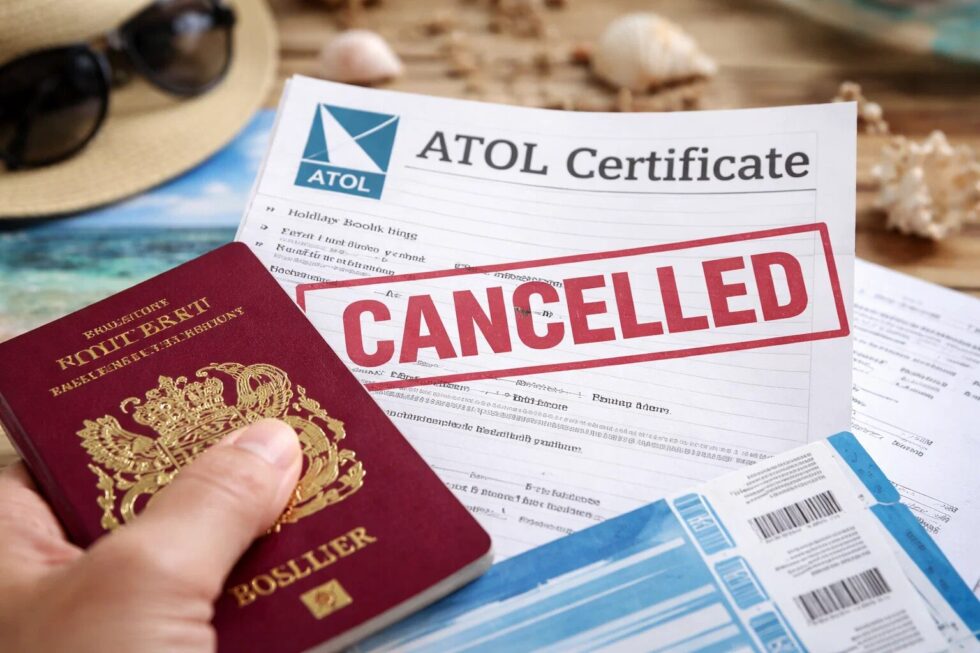
- The ATOL Certificate: You must receive this document the moment you pay any money for a flight-inclusive package; it is your "insurance policy."
- Card Protection: Paying by credit card (for transactions over £100) provides extra protection under Section 75 of the Consumer Credit Act.
- Booking Direct: Be aware that booking flights and hotels separately directly with airlines often bypasses these protections entirely.
Red Flags: How to Spot a Travel Agency in Financial Trouble
Before travel firms collapse, there are often subtle indicators that a business is struggling. While not always a sign of impending liquidation, a sudden shift in business behavior can be a warning for cautious travelers. If a company that previously accepted all payment methods suddenly insists on bank transfers or offers "too good to be true" discounts for immediate full payment, it may be a sign of a cash-flow crisis.
- Aggressive Discounting: Massive price cuts for immediate full payment on trips far in the future can be a tactic to raise quick liquidity.
- Limited Communication: A sudden drop in customer service responsiveness or the closure of physical high-street branches without notice.
- Flight Cancellations: Frequent reports of the agency failing to pay airline partners, leading to individual flight cancellations for their clients.
- Change in Payment Terms: Moving away from secure credit card payments toward untraceable bank transfers or cash.
If you are currently on holiday when your travel firms collapse, the priority is your safe return and the continuation of your stay. If your trip is ATOL protected, the Civil Aviation Authority (CAA) will step in to manage your repatriation and ensure your hotel costs are covered.
You should not have to pay twice for your accommodation; if a hotel demands payment, contact the CAA or the protection body listed on your certificate immediately.
Travel Insurance: Why "Scheduled Airline Failure" Cover Matters
Standard travel insurance policies often cover medical emergencies or lost luggage but frequently exclude the bankruptcy of a travel provider. To safeguard against scenarios where travel firms collapse, tourists should specifically look for "Scheduled Airline Failure Insurance" (SAFI) or "End Supplier Failure" (ESF) clauses. These add-ons provide a safety net for those who book "DIY" holidays—combining separate flights and hotels that aren't part of a protected package.
- SAFI Coverage: Specifically protects you if the airline goes into liquidation before or during your trip.
- ESF Coverage: Extends protection to hotels, car hire companies, and excursion providers.
- Policy Verification: Always read the "Financial Failure" section of your insurance document before clicking 'buy.'
- Chargeback Options: If you aren't covered by insurance or ATOL, your bank may be able to help via a "chargeback" claim on a debit card.
Navigating the Refund Process: A Step-by-Step Recovery Plan
Once a travel agency has officially entered liquidation, the refund process begins, but it requires patience and documentation. You will need to gather all booking confirmations, invoices, and your ATOL certificate to file a claim. The timeline for receiving money back can vary from a few weeks to several months, depending on the complexity of the firm's financial state and the number of affected customers.
Essential Steps for Claiming Your Refund:
| Step | Action | Responsibility |
| 1 | Gather all receipts, ATOL certificates, and booking emails. | Traveller |
| 2 | Check the CAA or ABTA website for the specific claim portal for the failed firm. | Traveller |
| 3 | Submit a formal claim with all required evidence. | Traveller / Protection Body |
| 4 | Verification of claim and validation of booking. | CAA / Liquidator |
| 5 | Refund issued via original payment method. | Bank / Protection Body |
Expert Q&A: Your Rights in the Travel Crisis
Can I still go on my holiday if the travel agency collapses but the airline is still flying?
If your agency was merely an intermediary and has already paid the airline and hotel in full, your booking might still be valid. However, you must contact the airline and hotel directly to confirm they have received the funds. If the agency was a "principal" (the one providing the package), the trip is usually cancelled immediately upon liquidation.
My booking wasn't ATOL protected. Is my money gone forever?
Not necessarily. If you paid by credit card, you can file a "Section 75" claim. If you used a debit card, you might be able to use the "Chargeback" scheme. These are bank-led processes that can recover funds even when the company itself has no money left.
Why is ATOL only for flight-based holidays?
The ATOL scheme was established specifically to manage the high costs and logistical challenges of air-based repatriation. For coach, rail, or cruise holidays, the ABTA bond serves a similar financial purpose, though the legal framework is slightly different.
Will my travel insurance cover the extra cost of booking a new flight?
Only if your policy includes "Alternative Travel" or "Substitution" cover. Most basic policies only refund the original cost of the failed flight, leaving you to pay any price difference for a last-minute replacement ticket.
Read about the life of Westminster and Pimlico district, London and the world. 24/7 news with fresh and useful updates on culture, business, technology and city life: Glasgow Edinburgh rail disruption: full ScotRail suspension via Carstairs amid engineering works and signalling fault