
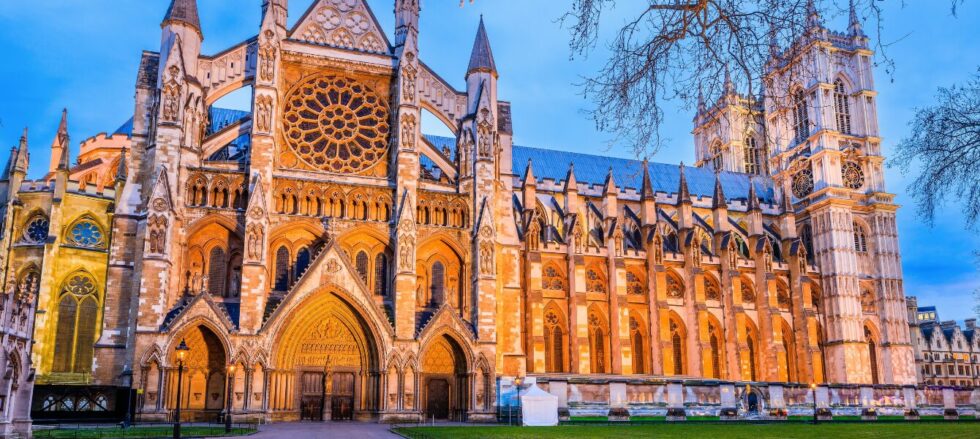
Westminster Abbey, a magnificent architectural landmark, has long been one of the most prominent symbols of the British monarchy and the nation’s history. This place of worship and royal events has witnessed more than a thousand years of British history, holding an unparalleled connection to the monarchy, state ceremonies, and national identity. From royal coronations to burials of significant monarchs and figures, Westminster Abbey’s role in British culture goes far beyond that of a church, reports The WP Times.
The Abbey's rich history, iconic architecture, and deep religious significance contribute to its continued central role in British royal traditions. It is where British kings and queens are crowned, celebrated, and sometimes mourned. Yet, what is the exact historical and cultural role of Westminster Abbey in relation to the monarchy? Why has it been chosen time and again to host such momentous events? This article explores its origins, the importance of royal ceremonies, and how the Abbey remains vital to the British monarchy's traditions today.
The Origins of Westminster Abbey
The origins of Westminster Abbey date back to the 10th century when it was founded by Benedictine monks as a monastery. However, it was not until the reign of King Henry III in the 13th century that Westminster Abbey began its association with the British monarchy. Henry III decided to rebuild the existing church in the Gothic style, giving it its present form. The Abbey became the spiritual home of the monarchy, and the royal connection only deepened over the centuries.
As the centuries passed, Westminster Abbey became not just a religious institution but a vital political center, hosting countless royal events, royal burials, and national ceremonies. Its architectural beauty, epitomized by towering spires and intricate stained-glass windows, provides a backdrop that highlights the monarchy’s enduring significance and Britain’s rich cultural heritage.
The Abbey’s role in the monarchy is not limited to its stunning architecture. The association between the royal family and the Abbey has grown stronger with each generation. Throughout history, monarchs and significant figures of the realm have used the Abbey as a space for divine affirmation, royal rites, and solemn moments. This connection between faith and monarchy has played a crucial part in shaping the public perception of Britain’s royal family. Westminster Abbey’s continuous role in these ceremonies ensures that it remains a focal point of British identity.
The Abbey’s architectural evolution
The architecture of Westminster Abbey reflects a story of transformation and cultural development. Initially built in a Norman style, the Abbey was later remodeled in the Gothic style by Henry III to reflect the growing influence of the English monarchy. The change in architectural style symbolized the importance of Westminster as not only a place of worship but also a political and royal space.
Through centuries of royal patronage and careful preservation, the Abbey’s design has become synonymous with British royalty. Its vast Gothic arches, richly decorated chapels, and intricate carvings combine to form a unique religious and cultural symbol for the nation. The Abbey’s architectural significance continues to be a testament to the royal connection that has persisted for over a millennium.

Westminster Abbey and the Coronation Tradition
Perhaps no event in Westminster Abbey’s long history is as closely tied to the monarchy as the coronation ceremony. Every British monarch has been crowned in Westminster Abbey since William the Conqueror in 1066. The coronation ceremony itself is one of the most sacred and well-preserved royal rituals in the world, steeped in symbolism and centuries of tradition.
For the British monarchy, the coronation is more than a ceremonial act—it is the moment when the monarch’s divine right to rule is confirmed. It is in the Abbey where the king or queen swears an oath to govern the people and uphold the laws of the land. The Abbey serves as the space where the monarch’s new role is publicly and religiously validated, with the Archbishops of Canterbury and York presiding over the ceremony.
This tradition has not only shaped British history but also highlighted Westminster Abbey’s critical role in the continuity of the monarchy. The coronation ceremony has been a cornerstone of Britain’s political and cultural fabric, reinforcing the monarchy’s status as both a religious and political institution. The enduring relevance of Westminster Abbey in these rites continues to define its sacred importance to the British people.
Before exploring the specifics of royal coronations, it’s important to understand the full scale of this historic tradition and its continuity. The Abbey’s involvement is not just about its role as a ceremonial venue, but about the deep-rooted connections to the monarchy’s legacy. The continuity of coronation traditions at Westminster Abbey speaks to its status as a central pillar of British identity.
The British Coronation Timeline at Westminster Abbey
| Monarch | Year of Coronation | Notable Aspects of Ceremony |
|---|---|---|
| William I (William the Conqueror) | 1066 | First coronation at the Abbey; the beginning of the tradition |
| Elizabeth II | 1953 | First televised coronation; modernisation of the ceremony |
| Charles III | 2023 | A fresh ceremony in the 21st century; included new traditions |
As shown in the table, the history of coronations at Westminster Abbey is a long and rich tradition that extends from William the Conqueror to Charles III. This deep historical connection to the monarchy makes Westminster Abbey not only an architectural marvel but a pivotal site of British cultural and political significance.
The sacred rituals and their significance
The rituals associated with the coronation are filled with symbolic meaning. The monarch is anointed with holy oil, receives the coronation regalia (including the Crown), and is presented to the people. The Abbey’s role is central, providing a space for the monarch to be consecrated before the eyes of the nation and the world. These ancient traditions continue to carry the monarchy's sacred responsibilities, reinforcing the close bond between the monarchy and the Church.
The ritual of anointing, for instance, underscores the divine right of kings—a key element of the monarchy’s legitimacy in Britain. The Abbey’s role in this act reinforces its position as the sacred space where monarchs are not just crowned but spiritually empowered to rule. The symbolism of the coronation continues to be a central tenet of British monarchy, with Westminster Abbey standing as the key institution that mediates the relationship between the monarchy and the people.
Westminster Abbey as a Royal Burial Site
Westminster Abbey’s role extends beyond coronations. It is also the final resting place of over 30 British monarchs and numerous other significant figures, including poets, scientists, and prime ministers. For centuries, Westminster Abbey has served as the place where royal figures are laid to rest, and their tombs serve as poignant symbols of the monarchy’s enduring legacy.
The abbey’s central role in royal burials began in the 13th century and has continued through to the present day. Monarchs such as Queen Elizabeth I, King Henry III, and Sir Isaac Newton are buried within its walls, their graves marking important moments in British history. Each of these memorials tells a unique story, but they also represent a continuity of British power, culture, and heritage.
Burials at Westminster Abbey are often treated as national events, reflecting the respect and admiration held by the people for their monarchs and influential figures. These events, coupled with the Abbey’s role as a royal burial site, have contributed to its status as one of Britain’s most sacred and revered spaces.
List of Notable Royal Burials at Westminster Abbey:
- Henry III (1216–1272) – The monarch who began the tradition of royal burials in the Abbey.
- Elizabeth I (1533–1603) – The last Tudor monarch, who restored the stability of England.
- Sir Isaac Newton (1642–1727) – A monumental figure in science, buried here as a national hero.
- George VI (1895–1952) – The father of Queen Elizabeth II, whose burial marked the end of an era.
- Princess Diana (1961–1997) – Memorialized with a commemorative plaque, symbolizing modern royalty.
Before the list, it’s important to reflect on how these royal burials have come to define Westminster Abbey. Each tomb is more than just a memorial; it represents a personal, cultural, and national history that continues to influence the royal family’s connection with the British public. The Abbey’s role as the final resting place of these figures reinforces its importance as a national symbol of both grief and honor.
The role of royal memorials in British culture
For many British citizens, Westminster Abbey represents a vital link between the past and present. The memorials and tombs inside the Abbey serve as a reflection of the monarchy’s history, with the presence of monarchs and historical figures elevating its spiritual and cultural significance. These memorials are not only important to the royal family but to the entire nation, serving as a reminder of Britain's heritage and its long-standing monarchy.
Westminster Abbey’s memorials act as the historical backdrop for the monarchy’s narrative, blending individual stories with the nation’s collective memory. The Abbey thus continues to be an anchor for British identity, linking the monarchy’s past to the nation’s ongoing story.
Westminster Abbey and Modern British Monarchy
While Westminster Abbey is historically rooted in the monarchy, it continues to play an important role in contemporary royal life. The Abbey hosts important royal events, such as weddings, funerals, and memorial services, maintaining its place at the heart of the British royal family’s public identity.
A space for royal weddings
Westminster Abbey remains one of the most iconic venues for royal weddings. The wedding of Prince William and Catherine Middleton in 2011 was one of the most memorable and widely televised events, symbolizing the monarchy’s enduring relevance in the 21st century. The grandeur of the Abbey provided a fitting backdrop for the union of the future king and queen, adding to the long-standing tradition of royal weddings in the Abbey.
Royal funerals and memorial services
In addition to weddings, Westminster Abbey plays a central role in the funeral and memorial services of members of the royal family. The funerals of figures such as Princess Diana and Queen Elizabeth, the Queen Mother, were held here, marking significant moments in British royal history. The Abbey’s solemnity and historical weight provide a dignified space for these events, highlighting the royal family’s connection to the nation’s culture and history.
Westminster Abbey’s Enduring Legacy
Westminster Abbey’s profound role in British history and monarchy traditions remains unparalleled. It has served as the site of royal coronations, weddings, and funerals for over a thousand years, creating an enduring connection between the monarchy and the British people. The Abbey's architectural magnificence, its royal associations, and its function as a place of worship and memorial continue to make it a cornerstone of British identity.
Today, Westminster Abbey stands as a symbol of continuity, representing the enduring traditions of the British monarchy while adapting to the needs of the modern era. Its role in royal ceremonies, memorials, and public celebrations ensures that it remains a vital part of British culture, linking past and present in a seamless narrative of national pride and royal dignity.
Read about the life of Westminster and Pimlico district, London and the world. 24/7 news with fresh and useful updates on culture, business, technology and city life: How the UK Parliament Works: What Every Londoner Should Understand.
Photo: CuddlyNest