
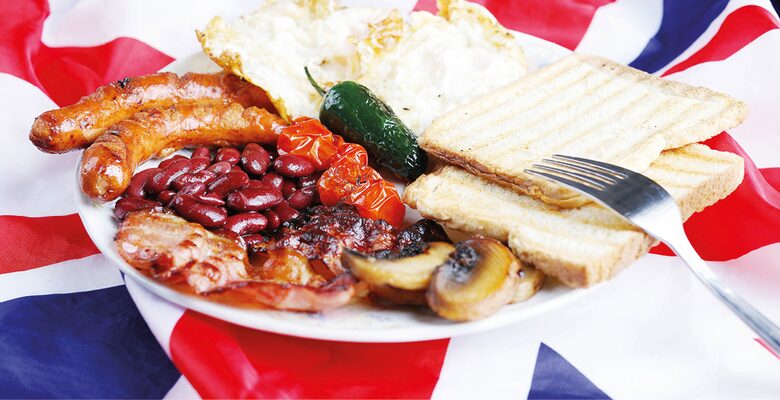
British food has long been overshadowed by stereotypes of overcooked vegetables, soggy fish, and tasteless pies. Yet the modern culinary scene in the United Kingdom is far more complex, diverse, and exciting than outdated clichés suggest. From traditional Sunday roasts to globally inspired street food, eating in Britain today reflects a blend of heritage and multicultural influence. British cuisine is not static; it is evolving constantly, supported by regional traditions, high-quality produce, and the creativity of chefs at every level. As noted by The WP Times, exploring what Britons really eat requires a closer look at habits, history, and everyday dining culture.
Traditional dishes that remain central to British food culture
When considering what British people genuinely eat, traditional meals still play a huge role in households across the country. Classics like the full English breakfast, shepherd’s pie, Cornish pasties, and Sunday roasts are not just nostalgic; they remain a part of weekly dining routines. These meals often bring families together, especially the roast with Yorkshire pudding and gravy. Regional differences also matter: in Cornwall, pasties filled with beef and root vegetables are iconic, while in Scotland haggis continues to be a dish tied to heritage. Although British cuisine sometimes gets a bad reputation abroad, the reality is that these traditional meals are hearty, filling, and deeply connected to identity.
Key examples of popular traditional foods in Britain today:
- Full English breakfast with eggs, bacon, beans, mushrooms, and toast
- Fish and chips served with mushy peas
- Shepherd’s pie with minced lamb and potatoes
- Cornish pasty with beef, potato, and turnip
- Roast beef with Yorkshire pudding on Sundays
- Black pudding in Northern England and Scotland
- Haggis with neeps and tatties in Scotland
Everyday meals and modern eating habits
The reality of daily British eating habits differs from the old stereotype of heavy meals three times a day. Breakfast for many now is quick and practical, ranging from porridge and muesli to toast with marmalade. Lunch is often a sandwich or salad, reflecting the fast pace of work life, while dinner remains the main meal of the day. Ready meals, although often criticized, are common for convenience, but so too are fresh, home-cooked dishes. Vegetarian and vegan diets have also gained significant popularity, with supermarkets offering extensive ranges of plant-based options. This evolution shows that British food is both pragmatic and adaptive to modern lifestyles.
Most common everyday foods in Britain:
- Sandwiches (chicken salad, ham and cheese, egg mayo)
- Pasta and rice dishes
- Porridge or cereal for breakfast
- Stir-fries with vegetables and chicken or tofu
- Ready-made curries from supermarkets
- Jacket potatoes with beans or cheese
- Fresh salads with dressings
Influence of immigration and multiculturalism on British cuisine
Britain’s colonial past and immigration have transformed its food landscape dramatically. The most famous example is the chicken tikka masala, often called Britain’s “national dish,” which represents the fusion of South Asian spices with local preferences. Curry houses remain a cornerstone of dining culture, with more than 10,000 Indian restaurants across the UK. Chinese, Caribbean, Turkish, and Middle Eastern foods also shape the everyday menus of millions. Kebabs, jerk chicken, falafel, and dim sum are not considered exotic anymore—they are part of the mainstream. Multiculturalism has ensured that British cuisine is one of the most diverse in Europe, offering variety that tourists often underestimate.
Popular multicultural foods widely eaten in the UK:
- Chicken tikka masala and balti curries
- Jerk chicken and plantain from Caribbean cuisine
- Döner kebabs and shawarma
- Chinese sweet and sour chicken or chow mein
- Middle Eastern falafel wraps and hummus
- Italian pizzas and pasta in countless variations
- Sushi and ramen from Japanese influence
Regional specialties across the United Kingdom
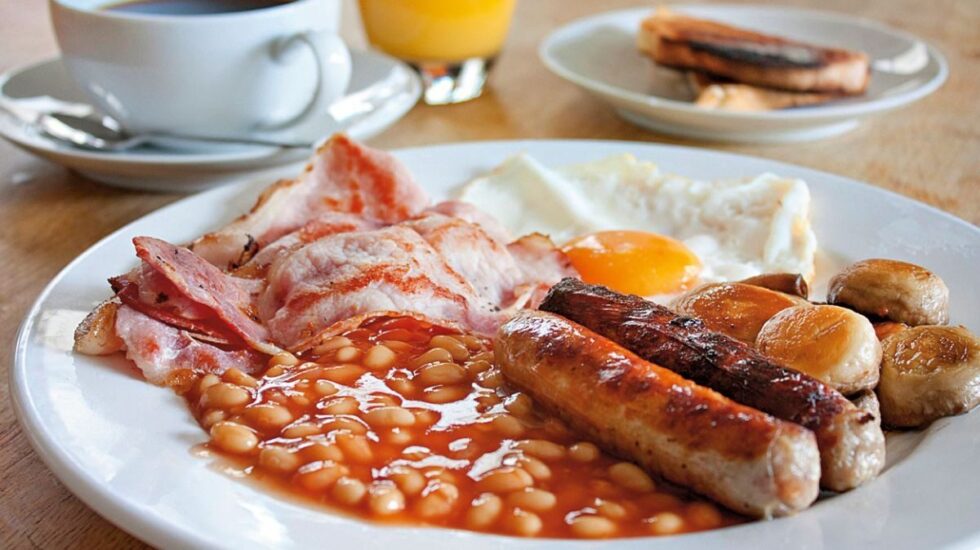
Britain is not one uniform food culture; every region has distinct dishes that locals proudly associate with their identity. In the north of England, Lancashire hotpot remains a comforting stew, while in Wales, cawl (a lamb and vegetable broth) is a symbol of traditional cooking. Scotland offers not only haggis but also shortbread and whisky-infused sauces. Northern Ireland is known for its Ulster fry, which rivals the English breakfast. Cornwall and Devon compete over the correct way to serve a cream tea—with clotted cream and jam, but in different orders. This patchwork of regional specialties shows how local pride in food remains vibrant despite globalization.
Examples of regional specialties in Britain:
- Lancashire hotpot in Northern England
- Ulster fry in Northern Ireland
- Cawl in Wales
- Cornish cream tea (cream first or jam first debate)
- Scottish shortbread and whisky sauces
- Devon pasties and scones
- Scottish smoked salmon
Price levels and where to eat British food today
Food in Britain spans every budget, from inexpensive fish-and-chip shops to Michelin-starred restaurants in London. On average, a plate of fish and chips costs between £8 and £12, while a full English breakfast ranges from £6 to £10 in cafés. Sunday roasts in pubs typically cost around £15–20 per person. Meanwhile, multicultural food options vary: a curry in a local Indian restaurant may cost £10–15, while a kebab takeaway might be only £6. For those looking to explore British cuisine, local pubs, markets, and small family-run restaurants often provide the most authentic experience. Supermarkets like Tesco, Sainsbury’s, and Waitrose also sell ready-made versions of these traditional and modern dishes.
| Dish / Food | Typical Price | Where to Try |
|---|---|---|
| Fish and chips | £8–12 | Seaside towns, local chippies |
| Full English breakfast | £6–10 | Cafés, B&Bs, pubs |
| Sunday roast with Yorkshire pudding | £15–20 | Pubs across the UK |
| Curry (chicken tikka masala) | £10–15 | Indian restaurants |
| Jacket potato with beans | £5–7 | Cafés, workplace canteens |
| Cornish pasty | £4–6 | Bakeries in Cornwall, supermarkets |
| Cream tea | £6–10 | Devon and Cornwall tearooms |
Healthy eating trends in Britain today
In recent years, health awareness has significantly influenced what people in the UK eat. Britons are increasingly focusing on balanced diets, reducing sugar and fat intake, and choosing more plant-based meals. Supermarkets dedicate entire sections to vegan and gluten-free products, while cafés and restaurants now highlight nutritional values on their menus. The popularity of smoothies, protein shakes, and meal-prep services shows how convenience and health merge in everyday eating habits. Many families replace traditional fried breakfasts with lighter options like avocado toast or overnight oats. Children’s diets are also changing, with schools encouraging fruit and vegetables as snacks instead of crisps or chocolate. This shift shows how British cuisine continues to adapt to global health trends.
Top healthy food trends in the UK:
- Plant-based ready meals and vegan substitutes
- Avocado toast as a modern breakfast
- Smoothies and protein shakes on-the-go
- Gluten-free bread and pasta options
- Organic fruits and vegetables from local markets
- Meal-prep services with calorie tracking
- Overnight oats with seeds and nuts
Where tourists can try authentic British food
For visitors, understanding what British people really eat means knowing where to find authentic experiences. Street markets such as Borough Market in London or St Nicholas Market in Bristol showcase traditional pies, cheeses, and artisan breads alongside global influences. Pubs remain the best place to try Sunday roasts, pies, and classic desserts like sticky toffee pudding. Seaside towns such as Whitby or Brighton are ideal for fresh fish and chips, while Cornwall is unmatched for pasties and cream teas. Michelin-starred restaurants in London, Edinburgh, and Manchester present modern interpretations of British classics. Tourists can combine local markets, casual pubs, and fine dining to see the full spectrum of British cuisine.
Best places to try authentic British food:
- Borough Market (London) — traditional and modern British street food
- St Nicholas Market (Bristol) — pies, cheeses, baked goods
- Whitby and Brighton — seaside fish and chips
- Cornwall — Cornish pasties and cream teas
- Traditional pubs across the UK — Sunday roasts, pies, puddings
- Edinburgh — Scottish haggis, whisky-flavoured sauces
- London Michelin-starred restaurants — modern British gastronomy
Famous British desserts and sweets loved by locals
Sweet dishes are an essential part of British food culture, and many traditional desserts remain popular across the country. Sticky toffee pudding, a sponge cake with dates and toffee sauce, is often served with custard or ice cream and is considered a national favourite. Another classic is trifle, a layered dessert with sponge, fruit, custard, and cream that appears at many family gatherings. Seasonal treats also play a big role: mince pies are enjoyed during Christmas, hot cross buns appear at Easter, and fruitcakes are tied to weddings and holidays. Local bakeries and supermarkets still sell classics like Victoria sponge cake, scones, and Eccles cakes. These desserts not only satisfy a sweet tooth but also represent family traditions and regional pride.
Popular British desserts and sweets:
- Sticky toffee pudding with custard or ice cream
- Trifle with layers of sponge, fruit, custard, and cream
- Victoria sponge cake with jam and cream
- Mince pies during Christmas season
- Hot cross buns at Easter
- Fruitcake for weddings and holidays
- Scones with clotted cream and jam
- Eccles cakes with dried fruits and sugar topping
Why British food deserves a second look
British cuisine has moved far beyond outdated clichés and now represents a unique mix of tradition, practicality, and multicultural influence. From hearty Sunday roasts to healthy plant-based meals and vibrant street food markets, what people in the UK eat today reflects both heritage and modern lifestyles. Regional specialties, desserts tied to seasonal traditions, and the global impact of immigration ensure that British food is among the most diverse in Europe. For locals, it is part of everyday culture; for visitors, it is a journey through history, flavours, and communities. To truly understand Britain, one must taste it—on the streets, in pubs, and at family tables across the country.
Read about the life of Westminster and Pimlico district, London and the world. 24/7 news with fresh and useful updates on culture, business, technology and city life: Why are pubs so important in British culture: history and modern traditions