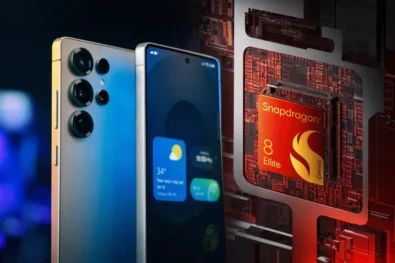
Qualcomm’s Snapdragon platform is increasingly challenging Intel and AMD in the global PC market, reports the editorial team at The WP Times. Originally developed as a mobile processor for Android smartphones, Snapdragon technology has evolved into a full system-on-a-chip platform that integrates the CPU, GPU, artificial intelligence engines, 5G connectivity and advanced power management into a single architecture. Today Snapdragon processors power a wide range of devices, including flagship smartphones, Windows laptops, tablets and compact desktop computers from brands such as Microsoft, Samsung, Lenovo, HP and Dell, making Snapdragon laptops a mainstream option for British consumers and businesses.
For UK buyers in 2026, the discussion has moved beyond simple definitions and into practical comparisons. Shoppers are now asking how Snapdragon X2 processors perform against Intel Core and AMD Ryzen, whether Snapdragon Windows laptops deliver sufficient software compatibility, and which real-world tasks – from office work to creative applications and AI tools – are best suited to Snapdragon-powered systems. With longer battery life, integrated 5G and expanding AI capabilities, Snapdragon technology is increasingly seen as a credible alternative to traditional PC hardware.
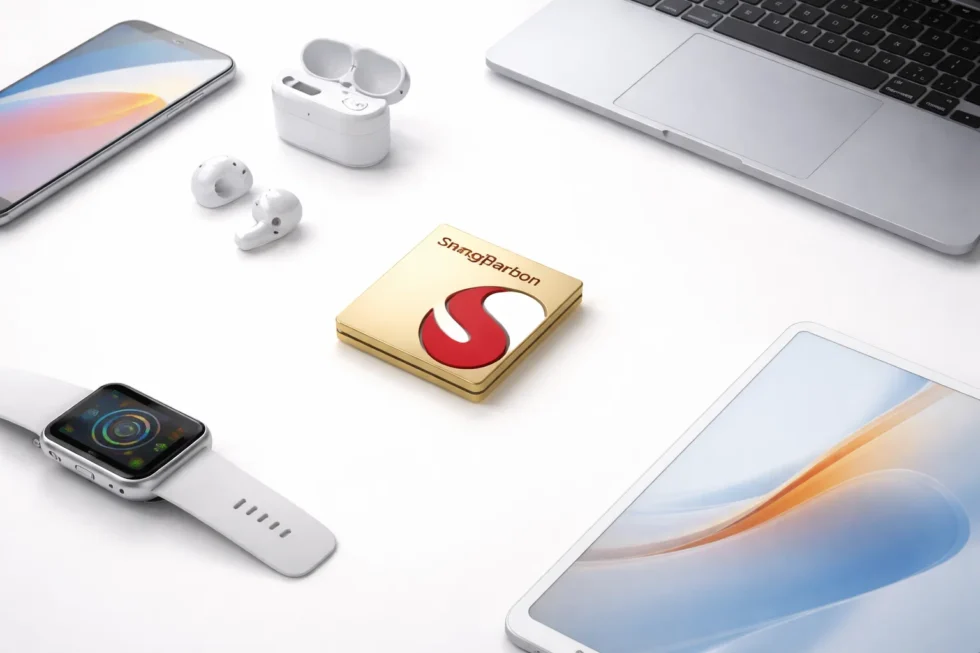
This guide provides a detailed, practical explanation of how Snapdragon processors work, what the Snapdragon X2 generation offers in terms of performance and efficiency, and which types of users in Britain should consider choosing Snapdragon-based laptops and desktops in 2026. It also examines the advantages and limitations of Snapdragon computing, helping UK readers decide whether Snapdragon devices are the right choice for work, study and everyday use.
What Snapdragon actually is: architecture and fundamentals
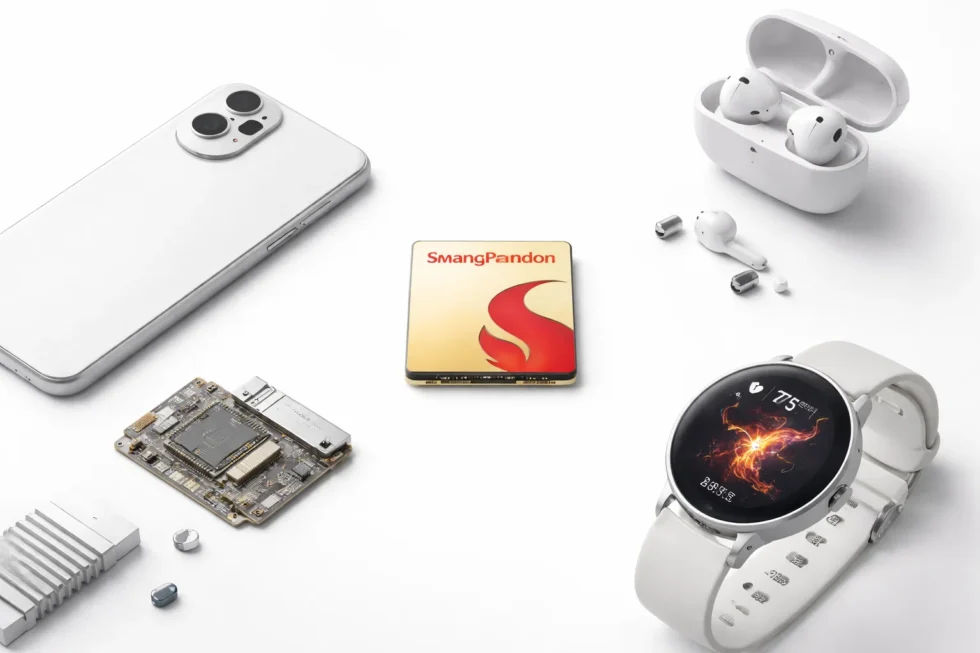
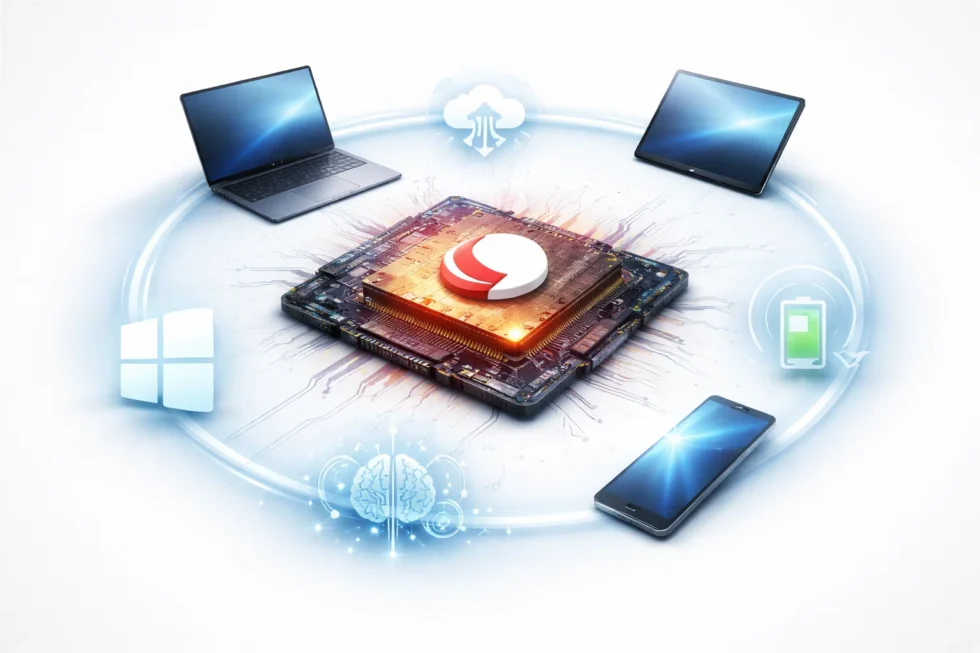
Snapdragon is a system-on-a-chip (SoC) platform created by Qualcomm. Unlike traditional PC processors from Intel or AMD, Snapdragon combines almost all essential computing components into a single integrated chip:
- the CPU – the central processing unit that handles core computing tasks
- the Adreno GPU – responsible for graphics and visual performance
- an NPU – a dedicated neural processing unit for artificial intelligence
- a 5G modem and wireless connectivity
- media processing and built-in security modules
This highly integrated design is fundamentally different from conventional x86-based PCs, where the CPU, graphics hardware and modem are typically separate components that must work together.
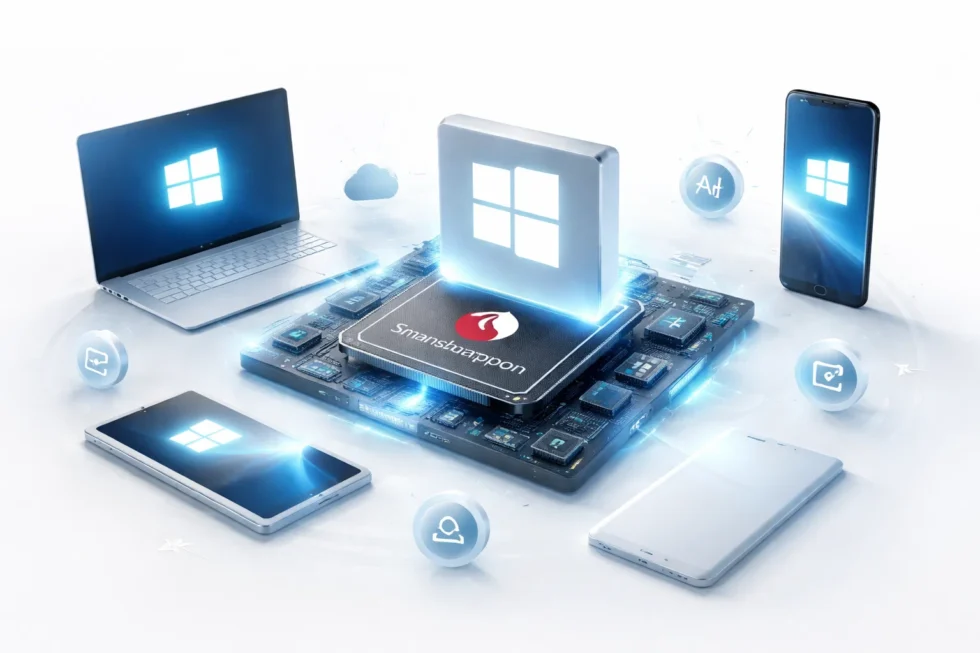
Snapdragon processors are built on ARM architecture, the same efficient computing model used in smartphones and in Apple’s M-series chips for Mac computers. ARM-based systems are designed to deliver high performance while consuming far less power than traditional desktop-style processors.
Technology journalist Alex Lee commented after testing new machines at CES 2026:
“While many of its competitors are focused on sheer brute power with impressive benchmarking scores, Qualcomm’s new X2 chips keep things nimble, so that your laptop will feel fast and responsive, even when it’s not plugged in.” The central philosophy behind Snapdragon is performance per watt – achieving strong real-world computing power with minimal energy consumption. This approach allows Snapdragon devices to run cooler, last longer on battery and remain always connected, features that are increasingly important for modern users in 2026.
Snapdragon X2 processors: the 2026 generation explained
The Snapdragon X2 processors are Qualcomm’s latest generation of chips designed specifically for Windows laptops and compact PCs. Announced in 2026, they represent the company’s most powerful attempt yet to replace traditional Intel and AMD processors in mainstream computing. The Snapdragon X2 family currently includes three main models:
- Snapdragon X2 Plus
- Snapdragon X2 Elite
- Snapdragon X2 Elite Extreme
These processors are not merely mobile chips adapted for laptops. They are purpose-built PC processors created for modern AI-driven Windows devices.
Core technical features
All Snapdragon X2 processors share several key technologies:
- built on an advanced 3nm manufacturing process
- Qualcomm’s third-generation Oryon CPU architecture
- integrated Adreno graphics
- a dedicated AI engine delivering up to 80 TOPS of performance
- full optimisation for Windows on ARM
This combination allows Snapdragon X2 systems to offer high performance while maintaining the long battery life and always-connected capabilities traditionally associated with mobile devices.
Qualcomm claims that the Snapdragon X2 Plus “delivers up to 35 per cent faster single-core performance than the prior Snapdragon generation while using 43 per cent less power.” For the flagship model, the company adds that “the Elite Extreme is capable of sustained professional-level workloads without the need for active cooling.”
Who is already selling Snapdragon X2 devices
By early 2026, several major manufacturers have launched or announced laptops powered by Snapdragon X2 processors. Among the first to adopt the platform are:
- Microsoft – Surface Laptop and Surface Pro models based on Snapdragon X2
- Lenovo – Yoga and ThinkPad series with Snapdragon X2 options
- HP – OmniBook and EliteBook Snapdragon editions
- Dell – XPS and Latitude laptops built around Snapdragon X2
- Samsung – Galaxy Book models using the new Qualcomm platform
- ASUS – premium ultra-portable notebooks featuring Snapdragon X2 chips
These companies are positioning Snapdragon X2 machines as alternatives to traditional Intel Core and AMD Ryzen laptops, particularly for users who prioritise mobility, battery life and AI capabilities. Retailers across the UK, including Currys, Amazon UK, John Lewis and major business suppliers, are already listing Snapdragon X2 laptops as part of their 2026 product ranges.
What Snapdragon X2 processors are designed for
Qualcomm has built the X2 platform with specific modern use cases in mind:
- AI-assisted productivity tools
- cloud-based business applications
- video conferencing and collaboration
- everyday office work
- content consumption and light creative tasks
- secure, always-connected computing
Rather than chasing maximum benchmark scores, Snapdragon X2 focuses on delivering consistent real-world performance with minimal power consumption – a strategy aimed at professionals, students and mobile workers.
Windows on ARM: why Snapdragon works differently
All Snapdragon laptops run Windows on ARM, not the traditional x86 version of Windows used by Intel and AMD machines. This architectural difference shapes both the strengths and the limitations of Snapdragon systems.
Key advantages
- longer real-world battery life
- fanless or near-silent performance
- instant wake from sleep
- integrated AI features
- built-in 5G and advanced connectivity
Current limitations
- some legacy Windows applications require emulation
- high-end gaming support is more restricted
- specialised professional software may lack native ARM versions
Technology journalist Alex Lee summarised the situation:
“You’ll still find better compatibility for certain apps on non-ARM PCs, but that gap is starting to close.” At CES 2026, Qualcomm confirmed it is “continuing to work with Adobe to improve native support and performance for its creative apps on Snapdragon-powered Windows laptops,” signalling that software optimisation remains a priority.

AI on Snapdragon: a core competitive advantage
A defining feature of Snapdragon X2 processors is the built-in Neural Processing Unit (NPU), designed specifically for on-device artificial intelligence. Typical AI capabilities include:
- real-time meeting transcription
- AI photo and video enhancement
- automatic document summarisation
- local language models and chatbots
- intelligent search and organisation
Because these functions run locally on the device rather than in the cloud, they offer:
- greater privacy and data security
- faster response times
- lower energy consumption
- reduced reliance on internet connectivity
For businesses handling sensitive information, this local AI processing is becoming a major selling point of Snapdragon systems.
Snapdragon desktops and mini PCs: a new direction
In January 2026, Qualcomm expanded Snapdragon beyond portable computers into an entirely new category: desktop and mini PC systems. A technology report on 16 January noted:
“Qualcomm video teases Snapdragon X2 ‘desktops,’ but the footage points to mini PCs.”
These ultra-compact machines are expected to deliver:
- silent, fanless operation
- extremely low power consumption
- always-on connectivity
- strong AI acceleration
- a very small physical footprint
Will Apple ever use Snapdragon
In practical terms, no. Apple designs its own proprietary M-series processors and maintains full control over its hardware and software ecosystem. Snapdragon chips are developed specifically for Windows devices and Android-based platforms. As industry analyst Patrick Moorhead noted, “Apple has invested heavily in its own silicon roadmap and has no incentive to switch to third-party processors” (Moor Insights & Strategy, interview with TechRadar, 2025).
What Snapdragon means for the UK market in 2026
For British consumers, Snapdragon technology is reshaping expectations of what a Windows computer can be. In 2026 it delivers several clear advantages:
- new categories of ultra-portable laptops
- genuinely long, all-day battery life
- AI-powered productivity features
- compact and silent desktop options
- always-connected computing with integrated 5G

Snapdragon is not replacing traditional PCs. Instead, it is creating a parallel computing ecosystem focused on efficiency, mobility and artificial intelligence. Qualcomm CEO Cristiano Amon described the shift as “a generational change in how personal computers are designed and used” (Qualcomm keynote, CES 2026). For users whose daily work revolves around web browsers, Microsoft Office, cloud services and mobility, Snapdragon laptops are becoming one of the strongest options on the British market.
Read about the life of Westminster and Pimlico district, London and the world. 24/7 news with fresh and useful updates on culture, business, technology and city life: iOS 26.2: New Lock Screen controls and improvements to the Sleep Score