
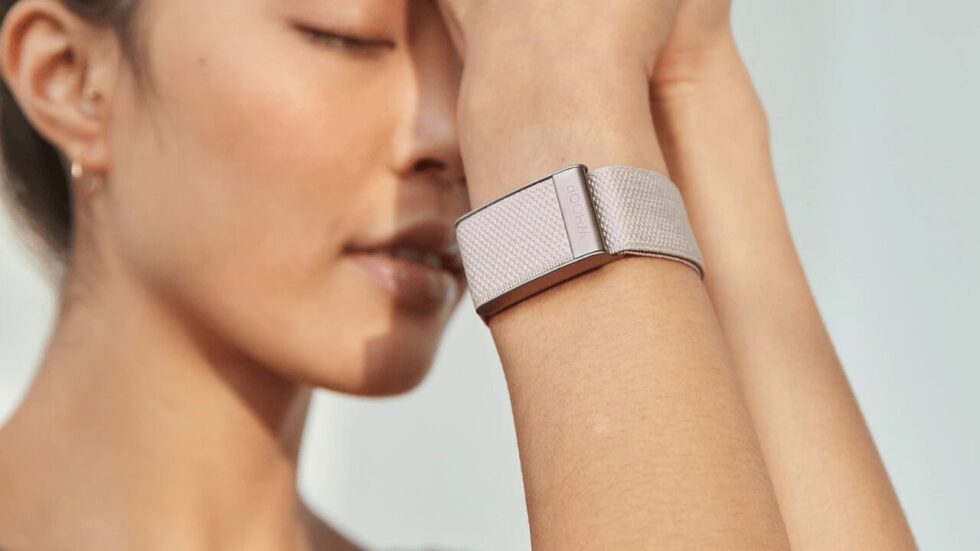
WHOOP has become one of the most exclusive fitness trackers worldwide and is now carving out a strong niche in the UK. Unlike Apple Watch or Garmin, WHOOP is not a smartwatch or lifestyle accessory. It focuses solely on strain, recovery and sleep – making it a scientific tool rather than a gadget. The idea was born at Harvard in 2012, when a young athlete questioned why devices could not measure readiness and recovery. Today WHOOP is valued at over USD 3.6 billion and used in more than 50 countries. In Britain, professional athletes, managers and everyday health-conscious users are embracing it despite its unusual subscription-only model. The editorial team of The WP Times explains WHOOP’s history, its creators and why it is gaining popularity in the UK.
Who is the founder of WHOOP and when was the band released
WHOOP was founded in 2012 by Will Ahmed, captain of Harvard’s squash team, who personally struggled with overtraining. He realised that existing fitness devices counted steps and calories but failed to show whether the body was actually ready to perform. Together with John Capodilupo, a Harvard graduate specialising in physiology, and Aurelian Nicolae, he created the first prototypes. That same year WHOOP Inc. was launched in Boston. Initially, the band was reserved for elite athletes in the NBA, NFL and golf. In 2015 the first version became available for professional teams, and in 2017 it reached consumers, including in the UK. With WHOOP 4.0 launched in 2021, the tracker improved accuracy and usability. By 2022, WHOOP was valued at over USD 3.6 billion, making it one of the fastest-growing wearables globally.
Key WHOOP milestones:
- 2012: Founded by Will Ahmed in Boston
- 2015: First version for professional athletes
- 2017: Market launch for consumers, including UK
- 2021: WHOOP 4.0 released
- 2022: Valuation exceeds USD 3.6 billion
Who was WHOOP developed for
WHOOP is aimed at people who want more than step counting or calories burned. It is designed for serious athletes, ambitious amateurs, business leaders and those with sleep issues who need actionable insights. The tracker provides data on recovery, strain and sleep quality and converts this into recommendations. In the UK, it is used by Premier League footballers, rugby players and endurance athletes like triathletes and marathon runners. Managers and entrepreneurs are turning to WHOOP to monitor stress and sleep, especially in high-pressure environments such as London’s financial sector. Unlike Apple Watch, WHOOP does not push notifications – its only goal is optimising health and performance. For British users, this makes it less of a fashion accessory and more of a health investment.
Typical WHOOP user groups in the UK:
- Premier League and rugby players
- Marathon and triathlon competitors
- Fitness enthusiasts and gym members
- Business leaders and managers in high-pressure roles
- People with sleep problems
- Health-conscious private users
Why is WHOOP popular among athletes and coaches in the UK
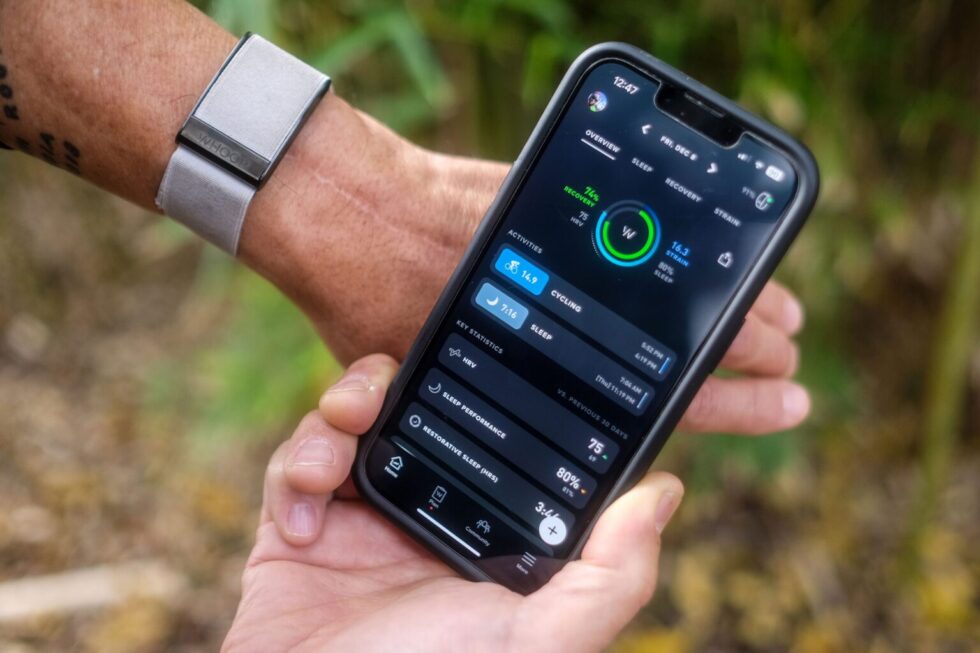
WHOOP has gained credibility among professional athletes and trainers because it delivers actionable data. The band calculates a recovery score (0–100%) that indicates readiness for strain, and a strain score showing how demanding training has been. A key metric is heart rate variability (HRV), which reflects stress levels and nervous system balance. In the UK, WHOOP is used by footballers, rugby professionals and golfers to prevent overtraining. Global stars like Novak Djokovic and Rory McIlroy – the latter a Northern Irish golfer – are ambassadors and investors in WHOOP. This connection to elite sport has increased its reputation in Britain. Coaches see it as a data-driven decision tool, replacing guesswork with measurable performance metrics. In a competitive sporting environment, this edge is invaluable.
Reasons for popularity among UK athletes:
- Real-time HRV measurement
- Recovery and strain scores
- Personalised sleep coaching
- Injury prevention through data analysis
- 24/7 wearability with battery slider
- Minimal design without notifications
Where is WHOOP used: sport, sleep, health
WHOOP is not limited to athletes but used in sleep, health and stress management. In sport, WHOOP optimises training loads and prevents injuries in football and rugby. For sleep, WHOOP tracks REM, deep sleep and breathing rates, providing personalised recommendations. Health-conscious users employ it to reduce stress and burnout, particularly in demanding industries like banking, law and consulting. British universities have also begun to use WHOOP in sports science and sleep research. The device’s strength lies in transforming raw data into actionable guidance. WHOOP has therefore positioned itself as a bridge between elite sport, daily health and scientific research in the UK.
| Area | Applications | Target group |
|---|---|---|
| Sport | Training load, injury prevention | Footballers, rugby, coaches |
| Sleep | Sleep phases, recovery, breathing rate | People with sleep problems |
| Health | Stress management, HRV monitoring | Business leaders, private users |
| Research | Sports physiology, sleep medicine | UK universities, institutes |
How much does WHOOP cost in the UK and where to buy it
WHOOP is fundamentally different from Apple Watch or Garmin: you don’t own it, you subscribe to it. The band remains property of WHOOP and must be returned if the subscription ends. This means British users pay about £400 per year without owning the device. Hardware, app and updates are included in the membership. In the UK, WHOOP is only available through the official website whoop.com and shipped directly. There are no retail stores in London, Manchester or elsewhere. British users often choose longer memberships for lower monthly costs, and discounts are sometimes offered during Black Friday sales. While critics argue it is expensive, supporters value the premium service and continuous improvements.
WHOOP pricing model 2025 (UK):
| Plan duration | Monthly price | Total cost | Note |
|---|---|---|---|
| 12 months | ~£30 | ~£360 | Standard plan |
| 24 months | ~£24 | ~£576 | Lower monthly fee |
| 36 months | ~£20 | ~£720 | Best long-term deal |
Tips for buyers in the UK:
- Order only via whoop.com
- Longer contracts reduce monthly costs
- Watch for Black Friday deals
- Check if WHOOP suits your lifestyle
- Remember: you don’t own the band
Practical tips for WHOOP users in the UK
WHOOP is only effective if used consistently and with discipline. Many first-time users wear it but ignore the app’s recommendations. To get real value, the recovery score should guide training decisions, and the sleep coach should be used to adjust rest patterns. UK coaches recommend looking at weekly and monthly trends, not just daily fluctuations. The community feature is increasingly popular in Britain, where users form groups for motivation and comparison. The battery slider allows 24/7 usage without removing the band, ensuring no data gaps. For British users, WHOOP is less a gadget and more a health partner that improves everyday quality of life.
Seven tips for UK WHOOP users:
- Wear WHOOP 24/7, including at night.
- Use the recovery score to adapt training.
- Follow the sleep coach’s guidance.
- Combine strain score with a training diary.
- Join community groups for motivation.
- Charge with the battery slider without taking it off.
- Analyse long-term trends rather than daily results.
WHOOP is not a smartwatch but a holistic health system. While Apple Watch and Garmin offer lifestyle features like GPS, notifications and music, WHOOP focuses solely on validated scientific metrics. In the UK, its popularity is growing, especially among athletes and professionals who prioritise performance and recovery. The subscription model may appear unusual, but it ensures updates, support and exclusive access. At around £400 per year, WHOOP is not an impulse buy but a conscious investment in health. For athletes, it provides a competitive edge; for business leaders, a tool to manage stress; and for private users, a personalised health coach. WHOOP has shifted tracking from step-counting to full-body performance analysis, making it one of the most innovative wearables in the British market.
Read about the life of Westminster and Pimlico district, London and the world. 24/7 news with fresh and useful updates on culture, business, technology and city life: AI-powered smartphones (“AI Phone”): The new era of mobile technology
Photo: Whoop \\\ Ash Duban