
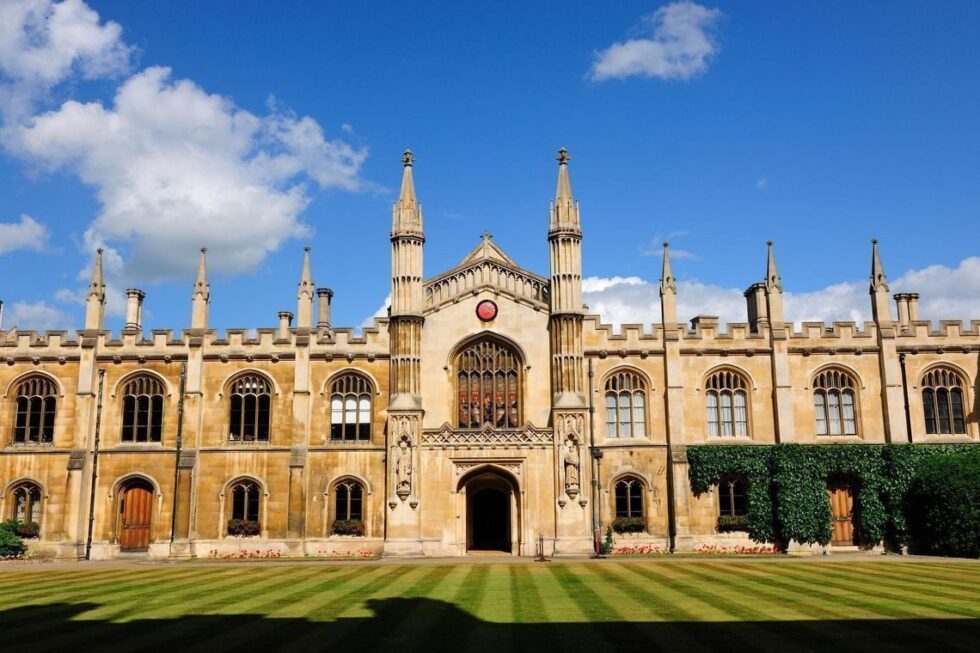
British universities have long been a magnet for international talent, consistently ranking among the world’s top 10 higher education institutions. From Oxford and Cambridge to London School of Economics and Imperial College, the UK’s academic landscape has become synonymous with prestige, research excellence and global opportunities. Despite rising tuition fees and Brexit-related uncertainties, students from across Europe continue to select Britain for their studies, driven by reputation, career prospects and unique student life experiences. As noted by The WP Times, these choices are shaped by a mix of tradition, innovation and strategic global partnerships.
Academic excellence and global reputation
One of the key reasons British universities remain in the top tier is their rigorous academic standards and global reputation. Institutions like Oxford and Cambridge have centuries-old traditions of scholarship, producing Nobel laureates, political leaders, and scientists who shape the modern world. Research-intensive universities also receive significant funding, enabling them to invest in laboratories, libraries, and innovation hubs. The international rankings published annually by Times Higher Education and QS consistently highlight the UK as home to four or more universities in the global top 10. This reputation is not just symbolic—it directly influences students’ career opportunities after graduation. For European students, studying in the UK often means gaining access to international employers and a powerful alumni network that spans every continent.
Key benefits for students include:
- Access to globally recognized degrees.
- Opportunities to work with leading professors and researchers.
- Strong alumni connections in business, politics and science.
- High employability ratings for graduates.
- Modern infrastructure and research facilities.
- English-language instruction, valued worldwide.
- A multicultural learning environment.
- Flexibility in course structures and programs.
What attracts European students despite higher costs
While tuition fees for European students rose after Brexit, many continue to see the UK as an investment in their future. Universities provide diverse financial aid opportunities, scholarships, and sometimes flexible payment plans. Students from Germany, Poland, France, and Spain emphasize that the high costs are justified by the quality of education, international exposure, and potential earnings after graduation. Furthermore, living in cities like London, Edinburgh, or Manchester offers cultural enrichment and opportunities to build global networks. Although affordability plays a role, many European students prioritize quality over price, seeing British education as a long-term return on investment.
Top factors why European students still choose the UK:
- Reputation of degrees in the job market.
- High rankings of specific faculties (law, medicine, engineering, business).
- Opportunities for internships with international companies.
- Access to research projects with real-world applications.
- English proficiency improvement and global communication skills.
- Cultural experience of studying abroad.
- Specialized master’s programs lasting one year instead of two.
- Possibility of part-time work during studies.
Cities and campuses: where students prefer to study
European students’ choices are often influenced by city life as much as by academic programs. London attracts the majority, with institutions such as UCL, King’s College and LSE offering both academic prestige and the vibrancy of a global capital. Edinburgh, with its historical charm and strong academic reputation, appeals to students seeking a balance of tradition and modernity. Manchester and Birmingham offer more affordable living while maintaining excellent teaching and research standards. Campus design also plays a role: modern facilities, libraries open 24/7, and sports complexes all add to the student experience. The city or region also impacts future employment opportunities, since many universities are closely tied to local industries.
Popular UK study destinations for European students:
- London (UCL, LSE, Imperial College).
- Cambridge and Oxford (world-leading traditional universities).
- Edinburgh (humanities, social sciences, AI research).
- Manchester (business, science, arts).
- Birmingham (engineering, medicine, law).
- Glasgow (arts, sciences, strong research hubs).
- Leeds (finance, media, communications).
- Warwick (business school with European recognition).
Rankings, scholarships and career prospects
Global rankings remain a decisive factor for European students. The prestige of a top-10 university significantly enhances employability and can influence visa opportunities for work abroad. Alongside rankings, financial aid plays a critical role: British universities offer hundreds of scholarships targeting EU citizens, sometimes covering up to 50% of tuition. Career services within universities are highly developed, offering personalized mentoring, CV workshops, and direct connections with global companies such as Deloitte, Google and AstraZeneca. This combination of academic quality, financial support, and career preparation makes UK universities particularly attractive despite the challenges of cost and relocation.
Examples of scholarships and career support:
- Chevening Scholarships (government-funded, global focus).
- Commonwealth Shared Scholarships (for postgraduate EU students).
- University-specific scholarships (Oxford Clarendon, Cambridge Trust, LSE Graduate Support).
- Paid internships with multinational corporations.
- Post-study work visas for international students.
- Mentoring programs from alumni networks.
- Career fairs with international employers.
- Support for entrepreneurship and start-ups.
Comparing the UK with other European destinations
European students increasingly compare British education with options in Germany, France, the Netherlands, and Scandinavia. While continental universities often have lower or even no tuition fees, many lack the same global reputation and employability recognition as British institutions. The UK’s advantage lies in intensive one-year master’s programs, strong English-language training, and high international visibility. However, Germany’s tuition-free universities and the Netherlands’ growing English-taught programs present competition. The decision often depends on whether students prioritize cost savings or global prestige.
Comparison of UK vs. EU study destinations:
| Criteria | UK Universities | EU Universities (Germany, Netherlands, etc.) |
|---|---|---|
| Tuition fees | £10,000–£38,000 per year | €0–€15,000 per year |
| Master’s duration | 1 year | 2 years |
| Global rankings | 4+ in top 10 globally | Mostly outside top 20 |
| Language of study | English | Mix of English and local languages |
| Career opportunities | Strong multinational ties | Strong regional ties |
| Scholarships | Broad range available | Limited, varies by country |
| Alumni networks | Global influence | Regional networks |
| Student diversity | Highly international | Growing, but smaller scale |
Practical advice for students considering the UK
For European students planning to apply, preparation is essential. First, researching scholarship opportunities can significantly reduce costs. Second, understanding visa requirements post-Brexit is crucial, as students now require a Student visa. Third, planning accommodation in advance is advisable since university halls and private rentals fill quickly. Applicants are also encouraged to prepare for cultural adaptation, as British teaching styles emphasize independent study and critical thinking. Networking and participation in student organizations can enrich the academic experience and provide a bridge to the job market. Finally, considering long-term career goals helps students choose the right university and program.
Steps before applying to a UK university:
- Check university rankings and subject-specific strengths.
- Research scholarships and apply early.
- Prepare for IELTS/TOEFL if required.
- Review visa requirements and costs.
- Apply through UCAS (for undergraduate programs).
- Plan accommodation in advance.
- Budget realistically for living expenses.
- Explore internship and job opportunities on campus.
British universities maintain their position in the global top 10 thanks to a unique combination of academic tradition, research excellence, and international influence. For European students, choosing the UK—despite higher costs and visa challenges—remains a conscious investment in their careers and future. The prestige of the degree, intensive master’s programs, strong alumni networks, and career opportunities ensure that UK institutions continue to lead on the world’s educational map.
Read about the life of Westminster and Pimlico district, London and the world. 24/7 news with fresh and useful updates on culture, business, technology and city life: Why Pimlico Stands Out Among London Districts in UK History