
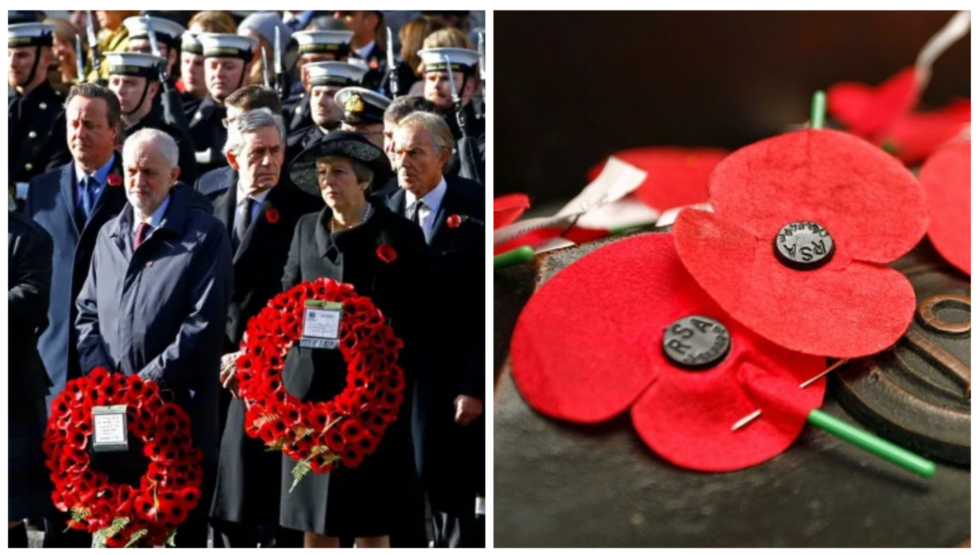
Remembrance Day in the United Kingdom, observed every year on November 11, marks the end of the First World War. On that day in 1918, at exactly 11 a.m., the Armistice of Compiègne was signed, bringing an end to the fighting between the Allies and Germany. Since then, the “eleventh hour of the eleventh day of the eleventh month” has become a moment of national reflection — a time to remember the millions who lost their lives in war. Today, ceremonies, parades, and a nationwide two-minute silence unite the country in gratitude and remembrance. According to the Royal British Legion, more than six million people take part in remembrance events each year across the UK, reports The WP Times.
History and significance of Remembrance Day
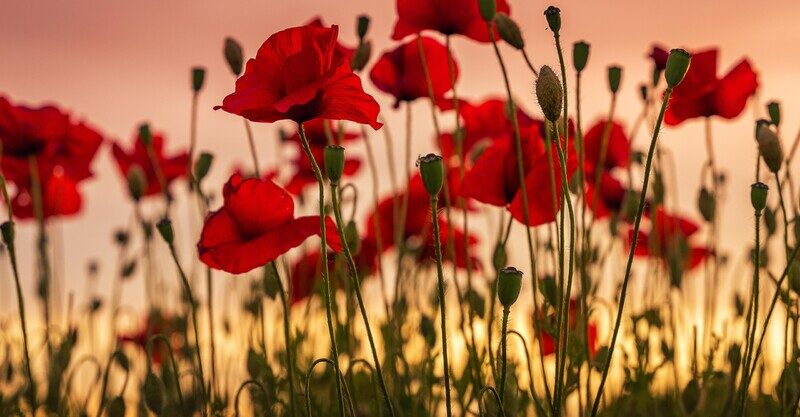
The tradition began immediately after World War I. The first official remembrance service took place on November 11, 1919, following the initiative of King George V. Across the country, people observed a two-minute silence to honor those who had fallen. The red poppy became the symbol of remembrance, inspired by the famous poem “In Flanders Fields” by Canadian army doctor John McCrae. Since then, the poppy has stood as a sign of sacrifice and resilience — a small flower that grew among the battlefields of Belgium and France.
Main symbols of Remembrance Day:
| Symbol | Meaning | Origin |
|---|---|---|
| Red poppy | Memory of the fallen | Poem “In Flanders Fields” (1915) |
| Two-minute silence | Tribute to the dead | Introduced in 1919 |
| Poppy wreaths | Placed at war memorials | Since the late 1920s |
| Phrase “We will remember them” | Expression of gratitude | From Laurence Binyon’s 1914 poem |
How Remembrance Day will be marked in 2025
In 2025, national commemorations will take place on Sunday, November 9 (Remembrance Sunday), and on Tuesday, November 11. The central ceremony will be held at the Cenotaph on Whitehall in London, where King Charles III, members of the royal family, and government officials will lay wreaths. At 11:00 a.m., the entire country will pause for a two-minute silence — in schools, offices, train stations, and airports alike.
Key events in 2025:
- National ceremony at the Cenotaph, London (11:00 a.m.)
- Military parades in Edinburgh, Belfast, and Cardiff
- Memorial services at Westminster Abbey and St. Paul’s Cathedral
- Royal British Legion fundraising campaign for veterans
- Online broadcasts for British citizens abroad
This year’s focus is on education and intergenerational remembrance. Schools across the UK are holding lessons about peace and history, while veterans’ stories are being shared on social media to reach younger audiences.
The meaning of the red poppy
The red poppy has become one of the most recognizable symbols in Britain. Each year, millions of Britons wear the paper flower as a sign of remembrance and solidarity with those who served. The Royal British Legion distributes the poppies, and all proceeds support veterans and their families.
Facts about the poppy:
- Over 30 million poppies are sold annually in the UK.
- In 2024, the poppy appeal raised around £45 million.
- The Scottish poppy has a slightly different design, without a green leaf.
- Queen Elizabeth II was known to wear multiple poppies in memory of different branches of the armed forces.
Wearing the poppy has become a unifying act across the country — not a political gesture, but a personal one. Even athletes, presenters, and public figures wear the poppy to honor remembrance week.
Remembrance beyond Britain
Remembrance events are not limited to the UK. Ceremonies also take place across the Commonwealth — in Canada, Australia, and New Zealand — as well as at British war cemeteries in France and Belgium. Families of soldiers and representatives of the armed forces gather each year to lay wreaths and pay tribute.
International commemorations:
| Country | City | Event |
|---|---|---|
| France | Arras, Ypres | Memorial services at war cemeteries |
| Belgium | Menin Gate, Ypres | Last Post ceremony |
| Canada | Ottawa | National War Memorial service |
| Australia | Canberra | Ceremony at the Australian War Memorial |
In 2025, British diplomats and soldiers will attend more than 50 remembrance services abroad, reaffirming the shared history and unity among nations.
The modern meaning of remembrance
While Remembrance Day began as a commemoration of World War I, it has evolved to honor all who lost their lives in later conflicts — from World War II to Iraq and Afghanistan. For most Britons, it is not a celebration but a day of reflection about the human cost of war.
A 2024 YouGov survey found that 82 percent of Britons consider Remembrance Day a vital part of national identity, and 67 percent observe the two-minute silence every year. The message remains clear and timeless: remembering ensures that history’s mistakes are not repeated.
Remembrance Day in the United Kingdom stands as a moment of unity, gratitude, and reflection. It reminds people that peace was earned through unimaginable sacrifice — and that silence can be the strongest tribute of all.
Read about the life of Westminster and Pimlico district, London and the world. 24/7 news with fresh and useful updates on culture, business, technology and city life: Michael Jackson: Why the 2026 Film Is Set to Be the Most Scrutinized Biopic