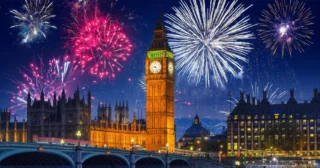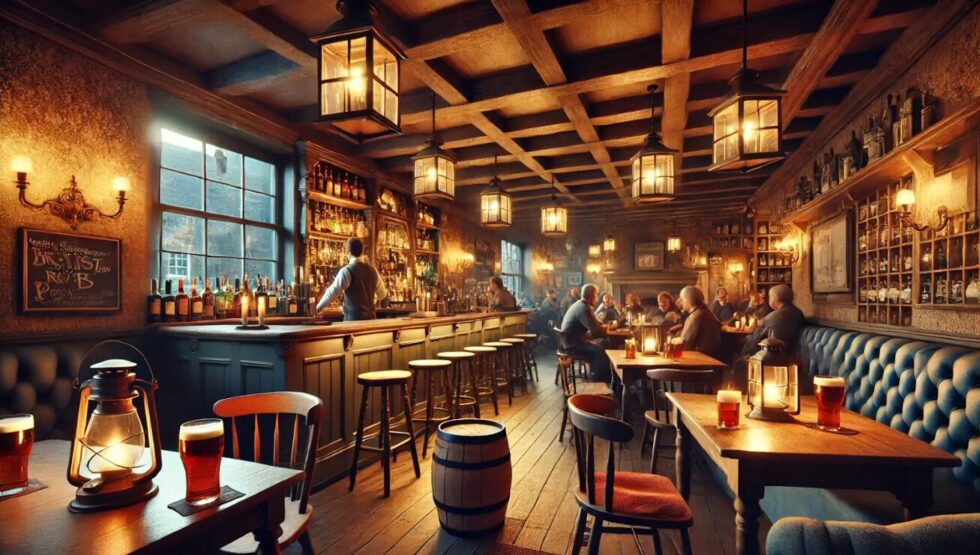
British pub culture is one of the most enduring and recognisable elements of life in the United Kingdom. The pub, short for “public house,” has always been more than a place to drink; it represents community, identity, and continuity across centuries. From medieval taverns that served weary travellers to contemporary gastropubs offering craft ales and fine dining, pubs mirror the evolution of society itself. They are settings where social class boundaries blur, where politics are debated, football matches celebrated, and friendships cemented. Despite challenges from globalisation, changing lifestyles, and even pandemics, pubs remain at the heart of the nation’s cultural DNA. As noted by The WP Times , the role of the pub in British society cannot be overstated.
The historical roots of British pubs
The history of British pubs stretches back to Roman times, when roadside taverns offered ale and food to soldiers and traders. In the Middle Ages, alehouses became vital community hubs, especially in villages without other gathering places. Many of today’s oldest pubs, some claiming origins in the 11th or 12th century, stand as living museums of timbered beams and stone floors. Monarchs even legislated beer quality through the Assize of Bread and Ale in the 13th century, showing how central pubs were to life. By the 17th century, coaching inns expanded the role of pubs, offering lodging and stables for horses along with hearty meals. During the Industrial Revolution, pubs provided escape and solidarity for factory workers. Their architecture evolved to include etched glass, snugs, and ornate bars, reflecting Victorian tastes. This long arc of history shows how pubs evolved in tandem with social needs.
Key historic pub types in Britain:
- Roman taverns and alehouses for travellers.
- Medieval inns offering food and community.
- Coaching inns on major trade routes.
- Victorian gin palaces with ornate design.
- Industrial Revolution working-class pubs.
- Post-war community locals in suburbs.
Pubs as centres of community life
A British pub is often referred to as “the local,” underlining its central role in neighbourhood life. Unlike restaurants, pubs are informal places where people can drop in for a pint and conversation. They host darts tournaments, charity raffles, quizzes, and Sunday roasts, making them multifunctional community halls. Many rural pubs double as post offices or shops, keeping villages alive when other services disappear. City pubs often reflect their boroughs: Irish pubs in Kilburn, LGBTQ+ pubs in Soho, or football-centric venues near stadiums. Sociologists note that pubs are among the few “third places” outside home and work where people feel equally welcome. The tradition of landlords knowing regulars by name reinforces a sense of belonging. Without pubs, many Britons argue, social cohesion would fray.
Main functions of pubs in daily life:
- Meeting place for friends and family.
- Venue for sports viewing and cheering.
- Platform for community fundraising events.
- Stage for live music or open mic nights.
- Place to celebrate milestones like birthdays.
- Safe space for minority communities.
The modern evolution: gastropubs and craft beer
In the late 20th century, pubs faced decline as younger generations preferred nightclubs, restaurants, or home drinking. To survive, many reinvented themselves as gastropubs, combining traditional charm with modern cuisine. Today gastropubs attract foodies with seasonal menus, farm-to-table sourcing, and sophisticated wine lists. Simultaneously, the craft beer revolution brought new energy to pub cellars, with microbreweries producing IPAs, stouts, and ciders tailored to local tastes. This shift expanded the audience for pubs, drawing not just working-class drinkers but also professionals and families. Many gastropubs became Michelin-recommended, showing how the line between pub and fine dining blurred. Interior design also changed: reclaimed wood, exposed brick, and open kitchens replaced smoke-filled bars. This evolution ensures pubs remain relevant to 21st-century culture.
Examples of modern pub offerings:
- Seasonal British dishes like lamb shank.
- Vegan and vegetarian menus.
- Rotating craft beers and local ales.
- Wine pairings with traditional roasts.
- Coffee and brunch culture on weekends.
- Free Wi-Fi and work-friendly spaces.
Rituals and traditions in British pubs
Beyond food and drink, pub culture thrives on rituals. Ordering at the bar is a defining feature: unlike continental Europe, table service is rare. The tradition of “buying rounds” reinforces camaraderie, as each friend takes a turn paying. Sunday roast with Yorkshire pudding is a weekend institution for families. Pub quizzes, often held midweek, attract teams testing their knowledge over pints. Seasonal customs such as wassailing or Morris dancing sometimes occur in pub gardens. Many pubs decorate for Christmas, offering mulled wine and carol nights. Even pub names, like “The Red Lion” or “The Crown,” carry historic symbolism. These rituals anchor pubs as cultural institutions rather than mere businesses.
Popular pub traditions across Britain:
- Ordering and paying at the bar.
- Round-buying etiquette among friends.
- Weekly pub quiz competitions.
- Sunday roast as a family event.
- Seasonal beer festivals and ale trails.
- Historic pub names with royal or heraldic themes.
The economics of the pub industry
Britain counts more than 45,000 pubs, employing over 900,000 people across hospitality, brewing, and logistics. The sector contributes billions annually to the UK economy, not only through alcohol sales but also through tourism. Visitors often include pub tours on their itineraries, eager to experience authentic local culture. However, rising rents, beer duty, and energy costs challenge many landlords. According to trade associations, dozens of pubs close each month, especially in rural areas. Campaigns like CAMRA (Campaign for Real Ale) advocate for tax relief and preservation of heritage pubs. Successful pubs diversify by offering food, accommodation, or event hosting. Understanding the economics helps explain why pubs are both fragile and essential to Britain’s cultural and financial landscape.
Comparison of pub industry factors:
| Factor | Positive Impact | Challenge |
|---|---|---|
| Employment | 900,000+ jobs nationwide | Staff shortages post-Brexit |
| Tourism | Key attraction for visitors | Competition from restaurants |
| Economy | Billions in annual revenue | Rising energy and tax burdens |
| Heritage | Preservation of historic sites | Urban redevelopment pressures |
| Innovation | Growth of craft beer and gastropubs | Decline of traditional “locals” |
Pubs in contemporary British identity
Even as drinking habits change, pubs remain symbolic of Britishness abroad. Films, novels, and TV shows frequently use pubs as settings, reinforcing their cultural weight. In international cities, from New York to Tokyo, British pubs recreate the atmosphere with dark wood and draught ales. Domestically, pubs host political debates, local campaigns, and community action groups. They serve as microcosms of society, reflecting wider trends like diversity, gender equality, or digitalisation. Campaigns to save “the local” often succeed because residents see pubs as part of their identity. While supermarkets sell cheap alcohol, no retailer can replicate the social glue a pub provides. For many, pubs are not optional luxuries but vital public living rooms.
Cultural roles of pubs in the modern era:
- Global icons of British lifestyle.
- Stages for literature and film scenes.
- Places for grassroots politics and activism.
- Inclusive spaces for varied social groups.
- Anchors of neighbourhood identity.
- Symbols of heritage for tourists and locals.
Practical advice for visiting a British pub
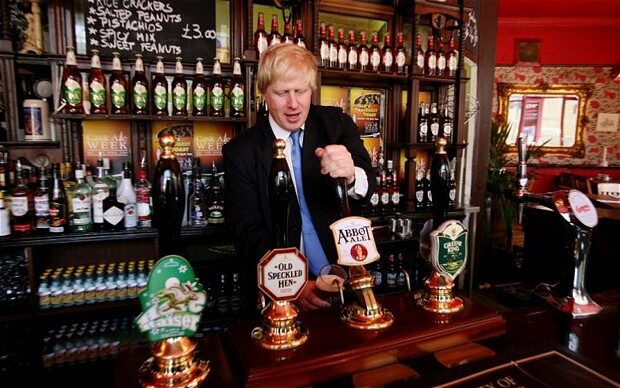
For travellers, understanding pub etiquette enhances the experience. Always order and pay at the bar unless signs suggest otherwise. Tipping is not obligatory, though rounding up coins is appreciated. Do not be surprised if a landlord remembers your drink after one visit — it is part of the charm. Many pubs serve food only at certain hours, so check menus before planning a meal. If visiting during a football match, expect crowds and loud cheering. Families should note that children are welcome until early evening, though rules vary. Booking is advised for Sunday lunch in popular gastropubs. By respecting traditions, visitors can enjoy pubs as authentically as locals do.
Tips for pub visitors:
- Order drinks at the bar.
- Take turns paying in rounds.
- Check kitchen opening times.
- Expect loud crowds during sports events.
- Book tables for Sunday roasts.
- Enjoy local ales rather than global brands.
Why pubs will always matter in Britain
The story of the British pub is one of resilience, adaptation, and continuity. From medieval alehouses to modern gastropubs, these spaces have survived wars, economic crises, and cultural shifts. Their strength lies in their ability to remain both familiar and innovative, offering comfort while embracing new tastes and lifestyles. Even in an age of digital communication, pubs still provide face-to-face connection that no app can replicate. For communities, they act as lifelines; for visitors, as windows into authentic British life. To understand Britain without its pubs would be to miss a cornerstone of its cultural identity.
Read about the life of Westminster and Pimlico district, London and the world. 24/7 news with fresh and useful updates on culture, business, technology and city life: Cultural life in Pimlico: galleries, theatres and hidden gems