
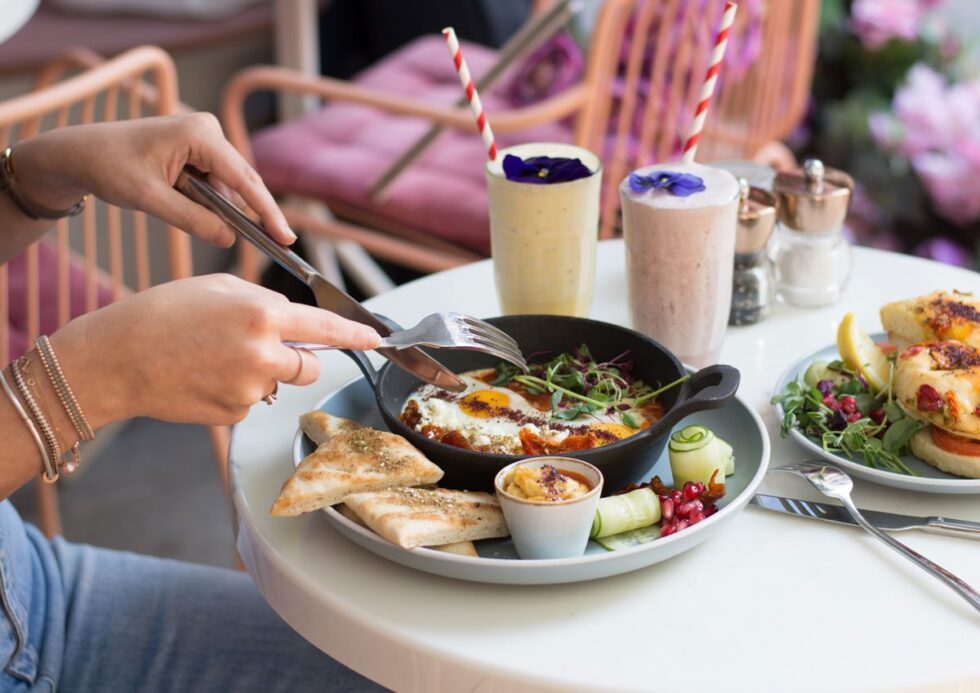
Staycation foodism has become one of the most vibrant trends in recent years, reshaping how Britons spend their weekends and holidays without leaving the country. As travel costs rise and global tourism faces uncertainty, people are turning inward, discovering local gastronomy combined with scenic landscapes. From Cornish seafood villages to Scottish whisky trails, Britain offers plenty of destinations where cuisine and culture merge. Families, couples and solo travellers now combine sightseeing with culinary exploration, making food-driven staycations a booming lifestyle choice. This is not just about eating; it is about immersing oneself in regional identity, history and flavours, as noted by The WP Times.
The rise of staycation gastronomy in Britain
Over the last decade, Britain has witnessed a remarkable change in how people perceive domestic travel. Instead of simply staying at home, staycationers are booking boutique hotels, cosy cottages or eco-lodges close to food hubs. According to VisitBritain, around 55% of domestic travellers now include food experiences as a primary reason for choosing a destination. This includes farmers’ markets, cookery schools, vineyard tours and Michelin-starred restaurants outside London. The shift reflects a broader lifestyle trend: people want authenticity, sustainability and memorable moments. The pandemic accelerated this transformation, but the demand did not vanish afterwards. Today, culinary staycations are marketed as a form of slow travel, where the focus is quality rather than distance. Such trips also support local economies, helping independent producers thrive.
Examples of popular staycation gastronomy activities:
- Visiting vineyards in Kent and Sussex for sparkling wines
- Joining seafood festivals in Cornwall such as Newlyn Fish Festival
- Booking whisky tastings in Speyside, Scotland
- Exploring farmers’ markets in Yorkshire towns
- Attending bread-making classes in rural Somerset
Best coastal towns for food lovers
Coastal Britain has always been tied to gastronomy thanks to its fishing heritage. Cornwall, Whitstable, and Northumberland offer more than just sandy beaches; they also provide fresh seafood prepared in both traditional and modern ways. Cornwall’s Padstow, known as the “seafood capital,” attracts travellers with Rick Stein’s restaurants and harbour views. Whitstable in Kent is famous for oysters, celebrated each July during the Whitstable Oyster Festival. Northumberland’s villages like Craster are known for smoked kippers, paired perfectly with local ales. Beyond seafood, these towns are investing in sustainable dining, where catch-of-the-day menus change according to the sea’s rhythm. Many visitors combine coastal walks with food trails, making it a holistic experience.
Top coastal destinations for culinary staycations:
- Padstow, Cornwall – seafood restaurants, harbour views
- Whitstable, Kent – oysters, annual food festivals
- Craster, Northumberland – smoked kippers, coastal hiking
- Aldeburgh, Suffolk – traditional fish and chips by the shore
- St Andrews, Scotland – lobster shacks with beach scenery
City breaks with gourmet flair
Urban centres outside London have repositioned themselves as gourmet capitals. Manchester’s Northern Quarter is brimming with street food markets and trendy bistros. Birmingham, home to five Michelin-starred restaurants, offers one of the most diverse culinary scenes in Britain. Edinburgh blends Scottish classics with international fine dining, often using local whisky as part of the menu. Liverpool has reinvented its docks as spaces filled with craft breweries and artisan coffee roasters. Bristol, famous for its creative spirit, leads in vegan and plant-based innovation. Each of these cities has invested heavily in food festivals and street markets, making them perfect for weekend staycations. For many travellers, these destinations provide a mix of cultural sightseeing and contemporary dining.
Cities with strong food culture:
- Birmingham – Michelin stars, Balti Triangle curry houses
- Manchester – street food markets, Northern Quarter bars
- Edinburgh – whisky dining experiences, fine dining
- Liverpool – waterfront craft beer, global cuisine
- Bristol – vegan innovation, cider houses
Countryside retreats and farm-to-table dining
Rural Britain offers staycationers a slower rhythm of life, where food often comes directly from the farm. Areas such as the Cotswolds, Lake District and Yorkshire Dales are famous for farm shops, artisanal cheese makers and organic vegetable gardens. Farm-to-table experiences allow visitors to pick their own produce and enjoy meals prepared on-site. Many boutique hotels in the countryside now include cooking workshops and tasting sessions. The Cotswolds in particular is known for honey, artisanal cheeses and fresh lamb. The Lake District offers not only stunning scenery but also culinary heritage such as Grasmere gingerbread. This combination of nature and gastronomy creates unforgettable escapes.
Regional specialties by area:
- Cotswolds – honey, lamb, artisan cheese
- Lake District – Grasmere gingerbread, Herdwick lamb
- Yorkshire Dales – Wensleydale cheese, farmers’ markets
- Devon – cream teas, cider orchards
- Somerset – cheddar cheese, apple brandy
Wine and spirit tourism across the UK
Britain’s wine and spirit industry has grown significantly, turning into a core element of domestic tourism. English sparkling wine, particularly from Sussex and Kent, has won international awards, competing with Champagne. Scotland’s whisky distilleries are world-famous, offering guided tastings and heritage tours. In Wales, Penderyn distillery showcases local craftsmanship, while Northern Ireland’s Bushmills is among the oldest distilleries worldwide. This kind of tourism appeals to both enthusiasts and casual travellers who want immersive experiences. Tours often include behind-the-scenes looks, masterclasses and pairings with local foods. With climate change extending the winegrowing season, more British regions are opening vineyards, making this a growing trend.
Notable destinations for wine and spirit lovers:
- Kent & Sussex – award-winning sparkling wines
- Speyside, Scotland – whisky trails with historic distilleries
- Penderyn, Wales – boutique whisky experiences
- Bushmills, Northern Ireland – heritage distillery tours
- Herefordshire – cider and perry traditions
Practical tips for planning a food-focused staycation
Planning a gastronomic staycation requires more than just choosing a location. Travellers should consider transport, accommodation, seasonal events and budget. Many food festivals offer free entry, while tastings or workshops may cost between £20 and £60 per person. Booking in advance is crucial during peak summer months and Christmas markets. Eco-conscious travellers may prefer rail connections and farm lodges with sustainable practices. Families should look for destinations combining food and child-friendly activities, such as pumpkin picking in October. Couples may prefer wine retreats or gourmet weekends in romantic cities. A good tip is to follow local tourism boards, which often publish detailed culinary maps. In addition, apps like OpenTable help secure restaurant reservations quickly.
Sample costs for food-related staycations in the UK:
| Activity | Average Price (per person) | Location Example |
|---|---|---|
| Seafood festival entry | Free – £15 | Cornwall, Whitstable |
| Vineyard tour & tasting | £25 – £40 | Sussex, Kent |
| Whisky distillery tour | £30 – £60 | Speyside, Bushmills |
| Cooking class | £40 – £80 | Lake District, Cotswolds |
| Street food market meals | £10 – £20 | Manchester, Bristol |
Emerging trends in British food tourism
The concept of staycation foodism is still evolving. One of the strongest trends is sustainability, with restaurants and producers emphasising seasonal menus and zero-waste cooking. Plant-based tourism is also growing, with vegan food festivals in Bristol, Brighton and Glasgow attracting thousands of visitors. Another innovation is experiential dining: pop-up restaurants in castles, food served on moving trains or immersive theatre combined with meals. Technology plays a role too; apps and VR tours are used to promote culinary routes. In addition, collaborations between chefs and local farmers are becoming central, highlighting British terroir in the same way French cuisine has done for centuries. As international travel becomes less predictable, these domestic innovations are expected to thrive.
Key upcoming trends in staycation gastronomy:
- Sustainable menus and zero-waste practices
- Vegan and plant-based culinary festivals
- Pop-up dining in unusual locations
- Digital and VR-enhanced food tours
- Chef-farmer collaborations highlighting local terroir
Famous food festivals across the UK
Culinary staycations often align perfectly with Britain’s numerous food festivals, which are scheduled throughout the year. These events bring together local farmers, chefs, brewers and thousands of visitors. For many travellers, they are an opportunity not only to taste regional dishes but also to attend masterclasses and cultural performances. Festivals are usually held in scenic settings, often near historic castles, coastal harbours or public parks, making them attractive for weekend escapes. Ticket prices vary; some are free, while others range between £10 and £30 depending on workshops included. Families find them especially appealing as children can enjoy street performances, food stalls and outdoor games. Couples and groups of friends, on the other hand, treat them as perfect getaways for social dining.
Examples of must-visit UK food festivals:
- Abergavenny Food Festival – September, Abergavenny, Wales
- Whitstable Oyster Festival – July, Whitstable, Kent
- Taste of London – June, Regent’s Park, London
- Loch Lomond Food & Drink Festival – September, Balloch, Scotland
- Ludlow Food Festival – September, Ludlow, Shropshire
Unique places to stay for food travellers
Accommodation can transform a simple weekend trip into a memorable staycation. Across Britain, boutique hotels and inns are embracing food culture as part of their identity. Many of them have on-site restaurants using ingredients from their gardens or surrounding farms. For travellers, staying at these places means immediate access to gourmet experiences without leaving the property. In Cornwall, some harbour hotels combine sea-view suites with fish tasting menus. In the Cotswolds, centuries-old inns provide fireside dining with seasonal produce. In Scotland, whisky lodges offer tastings in the evening as part of the overnight package. Prices start from around £120 per night for mid-range options, but luxury experiences may cost £250–£400 depending on season and exclusivity.
Recommended foodie stays with addresses:
- The Seafood Restaurant (Rick Stein) – Riverside, Padstow, Cornwall PL28 8BY
- The Feathered Nest Inn – Nether Westcote, Oxfordshire OX7 6SD
- The Pig Hotels – Multiple locations across England, e.g. The Pig at Brockenhurst, Beaulieu Road, Brockenhurst SO42 7QL
- Fonab Castle Hotel – Foss Road, Pitlochry PH16 5ND, Scotland
- The Angel at Abergavenny – Cross Street, Abergavenny NP7 5EN, Wales
Culinary staycations have become far more than a temporary travel trend in Britain. They reflect a deeper cultural movement where food, sustainability and regional identity come together. Travellers are no longer satisfied with standard sightseeing; they want to eat local oysters by the harbour, taste whisky where it is distilled, or join bread-making classes in historic villages. This combination of gastronomy and landscape gives domestic tourism a unique competitive edge, keeping people engaged year-round. With continuous growth in festivals, boutique hotels and food routes, Britain positions itself as a destination where staying close to home is no longer a compromise but a reward in itself.
Read about the life of Westminster and Pimlico district, London and the world. 24/7 news with fresh and useful updates on culture, business, technology and city life: What makes campus chic the new street style