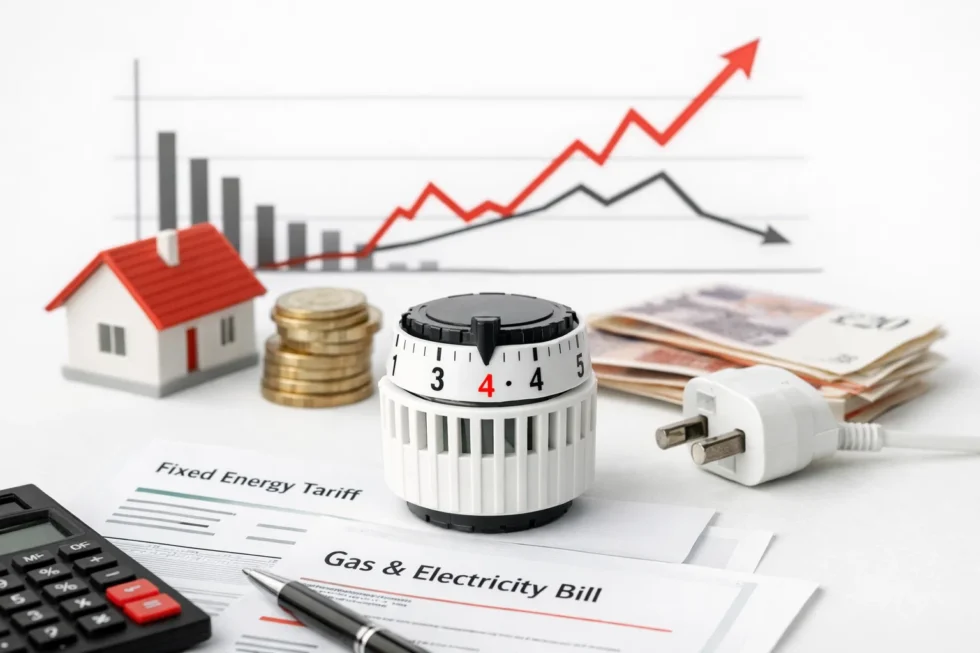
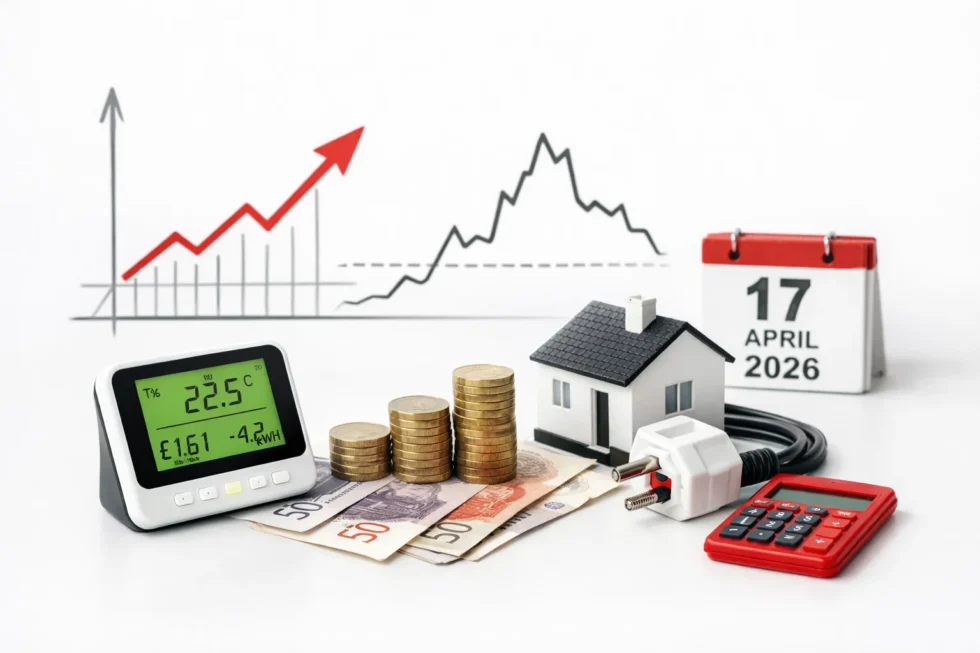
British Gas has launched a limited-time fixed energy tariff priced significantly below both the current and forecast UK energy price cap, offering households a rare opportunity to lock in lower bills ahead of an expected summer rise, with the deal set to close at 23:59 on Friday 17 April and available exclusively through a comparison platform, as switching activity accelerates amid renewed market volatility, The WP Times reports. The tariff, named Fixed Exclusive Jul27 v1, is priced at £1,610 per year for a typical dual-fuel household paying by direct debit, placing it £31 below the current Ofgem-regulated April price cap of £1,641 and more than £250 below projected July levels of around £1,861, according to forecasts from Cornwall Insight, creating a narrow window for consumers to secure cost certainty before anticipated increases.
British Gas tariff undercuts current and projected price cap levels
The structure of the British Gas offer positions it competitively within the UK energy market at a time when fixed deals are returning after months of disruption. At £1,610 annually, the tariff represents one of the lowest available rates among major suppliers and signals a shift back towards fixed pricing strategies following earlier withdrawals during geopolitical price shocks.
The deal is open to both new and existing customers and applies to single-fuel and dual-fuel accounts, with switching typically completed within three weeks without supply interruption. Customers on standard variable tariffs can generally move without exit penalties, making the offer particularly relevant for households currently exposed to fluctuating rates.
Key tariff details:
- Annual cost: £1,610 (typical household, direct debit)
- Current price cap (April): £1,641
- Forecast July cap: ~£1,861
- Estimated saving vs July cap: £250+
- Exit fee: £50 per fuel
- Access: Compare the Market only
- Deadline: 23:59, 17 April 2026
The pricing differential equates to approximately 1.9% below the current cap and around 15.9% below projected summer rates, reinforcing the positioning of the tariff as a defensive option against near-term cost increases.
Why fixed tariffs are returning to the market
The re-emergence of competitive fixed tariffs follows a period of contraction triggered by global energy uncertainty earlier in 2026. During the initial market shock linked to geopolitical tensions in late February, suppliers withdrew deals rapidly, reducing available fixed tariffs from around 38 to just 15, while prices simultaneously increased.
Recent data indicates recovery in both availability and pricing:
| Period | Number of fixed tariffs | Typical price range |
|---|---|---|
| Pre-crisis (early 2026) | ~38 | £1,509–£1,898 |
| Peak disruption (Feb 2026) | ~15 | £1,640–£2,194 |
| Current (April 2026) | ~28 | stabilising |
This gradual stabilisation has allowed suppliers such as British Gas to reintroduce competitive fixed products, aiming to capture demand from households seeking predictability in billing.
At the same time, energy price cap forecasts continue to point upward for summer, driven by wholesale cost pressures and lagged effects from earlier supply disruptions. This divergence between current fixed deals and future regulated pricing underpins the urgency attached to short-window offers like the British Gas tariff.
What customers must check before switching energy deals
While headline savings are central to the offer, analysts stress that switching decisions should account for full tariff structure rather than price alone. Fixed contracts introduce certainty but also limit flexibility, particularly where exit fees apply. Consumers considering the British Gas deal should review:
- Standing charges and unit rates, not just annual averages
- Contract duration and lock-in period
- Exit fees (£50 per fuel)
- Payment method requirements (direct debit pricing assumptions)
- Meter compatibility and usage profile
A standard 14-day cooling-off period applies after switching, allowing cancellation without penalty if circumstances change.
Expert view: locking in protects against volatility
Industry commentary reinforces the strategic logic behind fixed tariffs in a volatile market environment, where forward price expectations remain uncertain.
“When comparing deals, it’s helpful to look beyond the headline price and check the full details of the tariff, including standing charges, contract length and whether the plan suits your meter type and usage patterns,” (Tom Lyon, Compare the Market, UK, April 2026).
“Moving to a fixed tariff can also provide protection from price volatility, as it locks in unit rates for the duration of the contract. This can offer greater certainty over monthly costs and help with budgeting,” he added. This perspective reflects broader consumer behaviour trends, with households increasingly prioritising predictability over short-term flexibility following repeated pricing shocks across the energy sector.
How the British Gas deal compares across the market
Although the British Gas tariff leads among major suppliers, smaller providers are currently offering lower headline rates, albeit often with different risk profiles or variable structures. Selected comparisons (typical annual costs):
- British Gas Fixed Exclusive Jul27 v1: £1,610
- Home Energy Fair Variable Dual Fuel: ~£1,499
- Outfox Energy Tracker tariff: ~£1,499
However, lower-cost alternatives may involve variable pricing or tracking mechanisms linked to the price cap, meaning savings are not guaranteed if market conditions change. By contrast, the British Gas tariff provides fixed pricing, which is typically valued during periods of expected upward movement in regulated caps.
What to do now if considering the British Gas tariff
With the British Gas Fixed Exclusive Jul27 v1 tariff closing at 23:59 on 17 April, households effectively have a same-day decision window, meaning preparation rather than browsing becomes the critical factor in securing the rate before withdrawal. The process itself is straightforward, but delays typically occur due to missing billing data, outdated account details or uncertainty over current tariff terms, all of which can be resolved in advance to avoid losing access to the deal at the final stage. Immediate actions to complete before applying:
- Confirm your current tariff type: check whether you are on a Standard Variable Tariff (SVT) or an existing fixed deal; leaving a fixed contract early may trigger exit fees from your current supplier
- Calculate your real annual cost: do not rely only on headline figures — review unit rates (p/kWh), standing charges (daily fees), and your actual annual consumption from your latest bill
- Retrieve key switching data: postcode, current supplier name, tariff name, and a recent meter reading — these are required to generate an accurate quote
- Update payment and contact details: ensure your direct debit account is active and correctly registered to avoid delays or failed applications
- Check eligibility on the comparison platform: the tariff is only available via Compare the Market and may not appear on other switching sites
Additional checks before committing:
| Factor | Why it matters |
|---|---|
| Exit fees (£50 per fuel) | Applies if you leave the British Gas contract early |
| Contract length | Determines how long your price is locked in |
| Payment method | Pricing assumes direct debit; other methods may cost more |
| Usage profile | High or low consumption can shift real savings |
| Cooling-off period | 14 days to cancel without penalty |
Once submitted, the switching process is typically completed within two to three weeks, with the new supplier handling the transfer directly. Importantly, there is no interruption to gas or electricity supply, as the change is administrative rather than physical. Final billing from your previous supplier is based on your closing meter reading, making accuracy at this stage essential.
Market outlook: pressure building ahead of July price cap
Current forward projections from market analysts indicate that the July 2026 energy price cap could rise to around £1,861, reflecting sustained wholesale cost pressure and delayed pass-through from earlier market disruptions. This projected increase of over £200 compared to April levels materially changes the cost landscape for households remaining on variable tariffs. Several structural factors are driving this upward pressure:
- Wholesale gas price sensitivity: UK pricing remains closely linked to global gas markets, particularly LNG flows and supply disruptions
- Geopolitical risk exposure: instability in key energy regions continues to affect forward pricing expectations
- Lagged regulatory adjustments: Ofgem’s cap reflects past wholesale costs, meaning recent increases are still feeding into future caps
- Seasonal demand shifts: lower summer demand does not fully offset structural supply constraints
In this context, fixed tariffs such as the British Gas offer function as a risk management tool rather than purely a savings product, allowing households to lock in known costs ahead of a potentially higher regulatory ceiling. While fixed deals remove the possibility of benefiting from future price drops, current market signals suggest upward risk outweighs downward potential in the near term, which explains the surge in switching activity observed in April. The result is a compressed decision environment: households are weighing short-term certainty against long-term flexibility, with limited-time tariffs like this one effectively forcing that decision within hours rather than weeks.
Read about the life of Westminster and Pimlico district, London and the world. 24/7 news with fresh and useful updates on culture, business, technology and city life: What is happening in the british gas energy bill update as 4.7 million homes in England face severe energy hardship in 2026