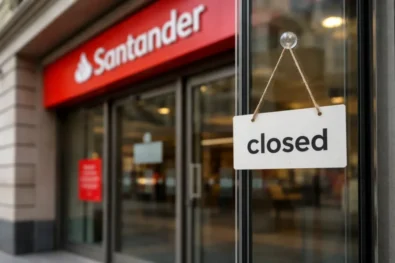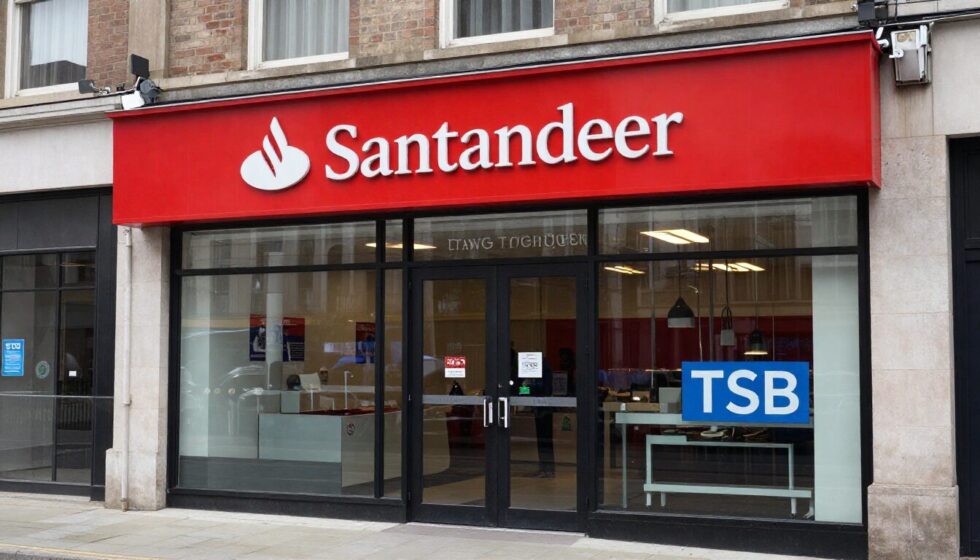
Santander has finalized its landmark £2.65 billion acquisition of TSB this Thursday, effectively consolidating the UK’s retail banking landscape to form the nation's third-largest provider of current accounts. The Spanish banking giant received the definitive green light from both British and European regulators to absorb TSB from its previous Spanish owner, Sabadell, in a move that signals the most significant investment in the UK banking sector in over fifteen years, as reported by The WP Times.
This colossal merger unites nearly 28 million customers under a single corporate umbrella, positioning the combined entity as the fourth-largest mortgage lender in the country. While the financial transfer is now legally complete, the operational integration is slated for the first half of 2027 through a specialized "Part VII transfer" mechanism. This legal process is particularly notable as it allows for the wholesale migration of accounts, contracts, and customer data without requiring individual consent from every account holder.
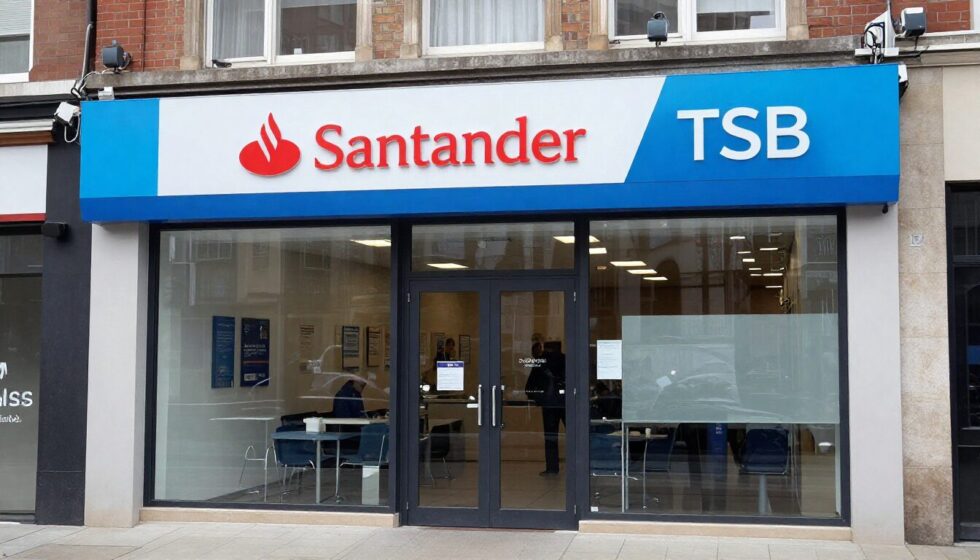
For the time being, Santander has assured the public that there will be no immediate disruption to services, meaning customers of both TSB and Santander can continue to utilize their existing cards, branches, and digital banking platforms as usual. However, the long-term future of the TSB brand on the British High Street remains under intense scrutiny, with industry insiders suggesting a total rebrand may be on the horizon.
Strategic Market Consolidation and the Future of the High Street Brand
The completion of this deal marks a turning point for competition within the UK's financial services, as Santander seeks to challenge the traditional dominance of the "Big Four" banks. By bringing TSB into its group, Santander significantly expands its physical and digital footprint, yet the move has sparked widespread concern regarding the survival of the TSB name.
Ana Botín, the Executive Chair of Santander, has previously hinted that a unified brand strategy might be necessary to streamline operations and maximize efficiency across the merged network. If the TSB brand is retired, it would mark the end of a storied name that has seen multiple ownership changes over the last decade. The planned Part VII transfer in 2027 will be the critical juncture where the technical and visual integration of the two lenders becomes apparent to the general public.
Mahesh Aditya, the newly appointed Chief Executive of Santander UK, described the finalized takeover as excellent news for the domestic banking industry and a vital step toward creating a more competitive market environment. He emphasized that this acquisition represents the single largest capital injection into the UK banking sector since the financial crisis era, reinforcing Santander's long-term commitment to the British market. The executive team believes that the scale provided by TSB’s customer base will allow for better investment in digital transformation and more competitive mortgage products.
Despite the optimistic outlook from leadership, the bank must navigate a complex integration period while maintaining customer trust across two different legacy systems. The success of this transition will depend heavily on the seamless execution of the legal migration scheduled for next year.
Financial Performance Amid Regulatory Headwinds and Industry Rivalry
This acquisition comes at a period of significant activity and consolidation within the broader UK banking industry, following closely on the heels of Nationwide’s absorption of Clydesdale’s operations under the Virgin Money brand.
However, Santander’s expansion is unfolding against a backdrop of financial volatility and regulatory pressure regarding past industry practices. The bank recently reported a 44 percent slump in pre-tax profits, falling to £202 million for the first quarter of the year compared to £358 million in the previous year. This sharp decline is largely attributed to the bank setting aside an additional £179 million to cover potential liabilities stemming from the ongoing motor finance scandal.
The Financial Conduct Authority’s recent revelations regarding compensation schemes have forced major lenders to bolster their provisions, impacting their immediate bottom lines even as they pursue aggressive growth strategies.
The underlying strength of the combined group will be tested as it integrates TSB’s assets during a period where interest rate environments remain "higher for longer," a factor that has bolstered profits for rivals like NatWest but also increased the cost of borrowing for consumers.
Santander’s fourth-place ranking in the mortgage market gives it a substantial platform to capture more of the home-loan sector, yet it must do so while managing a diverse portfolio of nearly 28 million individuals. The synergy between TSB’s domestic reach and Santander’s global infrastructure is expected to provide a buffer against local economic fluctuations.
Analysts will be closely watching the 2027 integration timeline to see if the bank can maintain its customer numbers during the technical transition. For now, the focus remains on stabilizing the balance sheet after the massive capital outlay and preparing for the massive logistical feat of the Part VII transfer.
Leadership Vision and the Impact on UK Banking Competition
"This is excellent news for UK banking, with the acquisition representing the single largest investment in the sector for over 15 years. Bringing TSB into the Santander group strengthens competitiveness in the market and is an important step in creating the best bank for customers." — Mahesh Aditya, Chief Executive of Santander UK, speaking on the completion of the TSB acquisition in London.
The statement from Mr. Aditya underscores the narrative that this deal is not merely a purchase of assets but a strategic overhaul of Santander’s UK identity. By positioning the bank as the third-largest provider of current accounts, Santander is no longer an "alternative" lender but a primary pillar of the British financial establishment.
The leadership believes that the increased scale will allow the bank to absorb regulatory costs and invest in innovative technologies more effectively than smaller, independent rivals could.
Furthermore, the timing of the deal, coinciding with the FCA's motor finance probe, suggests that the bank is confident in its ability to manage legacy issues while simultaneously scaling up its operations. The move is a clear signal to other major lenders that the competitive landscape has shifted permanently.
As the 2027 integration approaches, the primary challenge for Santander’s management will be ensuring that the "Part VII transfer" does not lead to a mass exodus of TSB loyalists who may be wary of large-scale corporate mergers. The legal right to move customers without individual consent is a powerful tool, but it carries the risk of alienating account holders if the transition is not handled with extreme care. Santander has committed to keeping customers informed of any future changes, but the current "business as usual" phase is likely to be a period of intense internal preparation for the bank's IT and customer service departments.
The merger represents a bold bet on the resilience of the UK retail banking market and a significant consolidation of power that will redefine the options available to millions of British households for years to come.
Read about the life of Westminster and Pimlico district, London and the world. 24/7 news with fresh and useful updates on culture, business, technology and city life: Who qualifies for Georgia tax refund surplus checks and when payments arrive in 2026