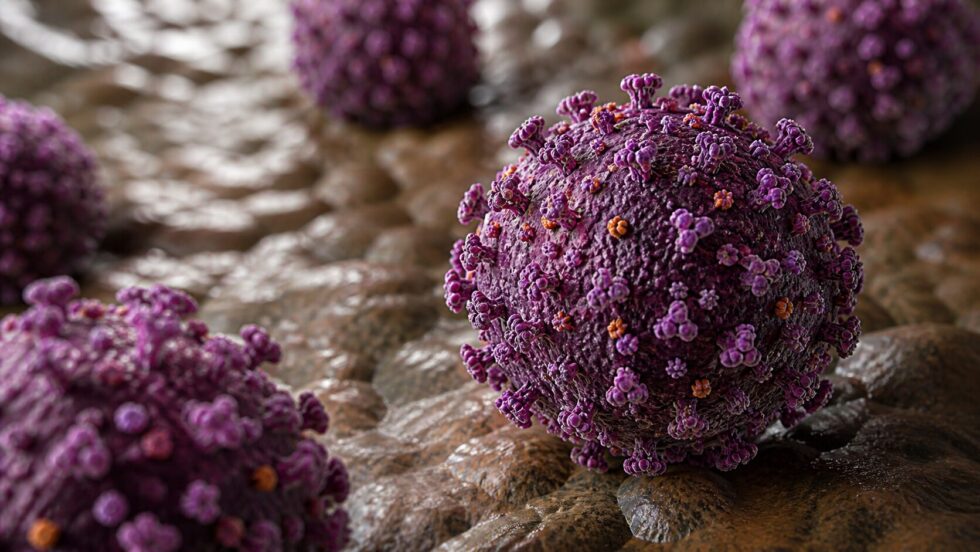
Hantavirus infection has come under renewed scrutiny after reports that three deaths aboard a cruise ship may be linked to the rare but serious virus, prompting questions about symptoms, transmission and risks for travellers and UK residents. The virus, primarily spread through contact with infected rodent droppings or urine, can lead to severe respiratory or kidney complications, and early recognition is critical, The WP Times reports.
Unlike common viral illnesses, hantavirus is not typically transmitted between humans in most known strains, but its severity and rapid progression in some cases make it a public health concern when clusters appear in confined environments such as ships or rural accommodations.
UK health authorities stress that while cases remain rare in Britain, awareness is essential—particularly for travellers returning from affected regions. The suspected cruise ship incident highlights how quickly symptoms can escalate and why early intervention matters.
What is hantavirus and how does the infection occur
Hantavirus refers to a group of viruses carried by rodents, particularly species such as deer mice and rats, which can transmit the infection to humans through airborne particles from dried urine, droppings or saliva. Infection usually occurs when contaminated dust is inhaled, especially in enclosed or poorly ventilated spaces. Although rare in the UK, cases have been recorded in Europe, particularly linked to bank voles.
The virus does not spread through casual contact like seasonal flu, making environmental exposure the primary risk factor. However, once infected, the illness can become severe within days, affecting either the lungs or kidneys depending on the strain.
For UK residents, the risk is generally associated with travel, outdoor activities, or contact with rodent-infested environments such as sheds, cabins or storage spaces. The cruise ship context raises questions about how contamination may have occurred, possibly through cargo, food storage areas or docking points where rodents are present.
Public health experts note that even minimal exposure in confined environments can be enough to trigger infection.
Key transmission routes:
- Inhalation of airborne particles from rodent waste
- Direct contact with contaminated surfaces
- Touching mouth, nose or eyes after exposure
- Rarely through rodent bites
Hantavirus symptoms: how to recognise early warning signs
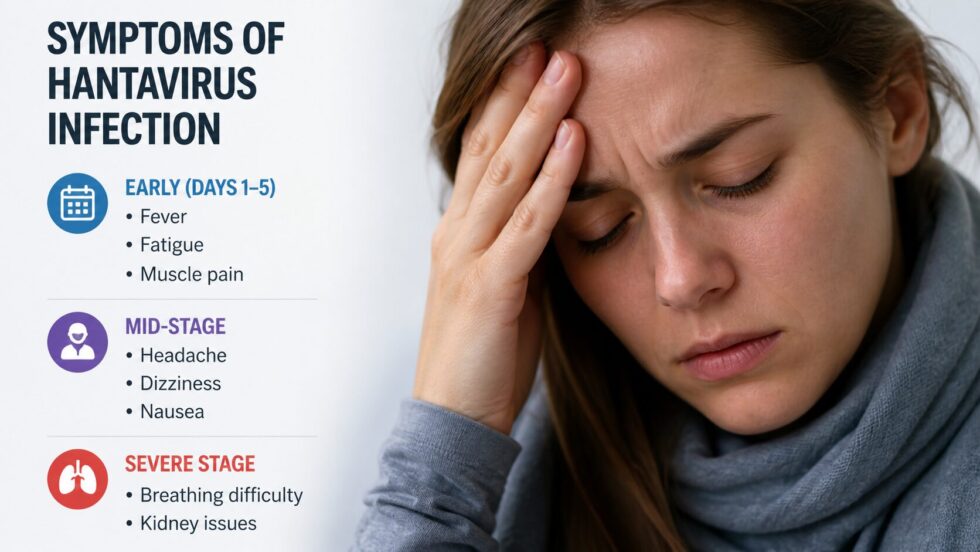
Symptoms of hantavirus infection often begin like a mild flu but can rapidly worsen, making early recognition crucial. Initial signs typically appear one to five weeks after exposure and include fever, fatigue and muscle aches, particularly in the thighs, hips and back. As the disease progresses, patients may develop headaches, dizziness and gastrointestinal symptoms such as nausea or abdominal pain. In severe cases, respiratory distress or kidney dysfunction can follow, depending on the variant of the virus.
For UK patients, the challenge lies in distinguishing hantavirus from more common illnesses such as influenza or COVID-19.
However, worsening shortness of breath or sudden decline after initial mild symptoms should be treated as a red flag. Health services emphasise that early medical attention significantly improves outcomes.
Common symptoms timeline:
| Stage | Symptoms |
|---|---|
| Early (days 1–5) | Fever, fatigue, muscle pain |
| Mid-stage | Headache, dizziness, nausea |
| Severe stage | Breathing difficulty or kidney issues |
What should you do if you suspect hantavirus infection
If hantavirus infection is suspected, immediate medical advice is essential, particularly if symptoms escalate beyond mild flu-like signs. UK residents are advised to contact NHS services or call 111 for guidance rather than attending clinics without prior notice, to avoid potential exposure risks. Early hospitalisation may be required in severe cases, especially where respiratory complications develop. There is currently no specific antiviral cure widely approved for hantavirus, meaning treatment focuses on supportive care.
Doctors may recommend oxygen therapy, fluid management and monitoring in intensive care units for serious cases. The earlier treatment begins, the better the chances of recovery. Public health messaging stresses that ignoring worsening symptoms can lead to rapid deterioration.
Recommended actions:
- Seek medical advice immediately if symptoms worsen
- Inform doctors about recent travel or exposure risks
- Avoid self-treatment without consultation
- Monitor breathing and hydration closely
Treatment and recovery: how hantavirus is managed
Treatment for hantavirus depends on the severity and type of infection, but in most cases, supportive medical care is the primary approach. Patients with mild symptoms may recover with close monitoring, rest and hydration, while severe cases—particularly those involving hantavirus pulmonary syndrome (HPS)—require intensive care support.
Oxygen therapy is often necessary, and in extreme situations, mechanical ventilation may be used. Recovery can take weeks, and fatigue may persist even after discharge.
In the UK, hospitals are equipped to manage such infections, although cases remain rare. Early diagnosis significantly improves survival rates, which can otherwise drop sharply in advanced stages. There is ongoing research into antiviral treatments, but prevention and early intervention remain the most effective strategies.
Treatment overview:
- Supportive care (oxygen, fluids)
- Intensive care for severe cases
- Monitoring of lung and kidney function
- Gradual recovery over weeks
Expert perspective: why confined outbreaks raise concern
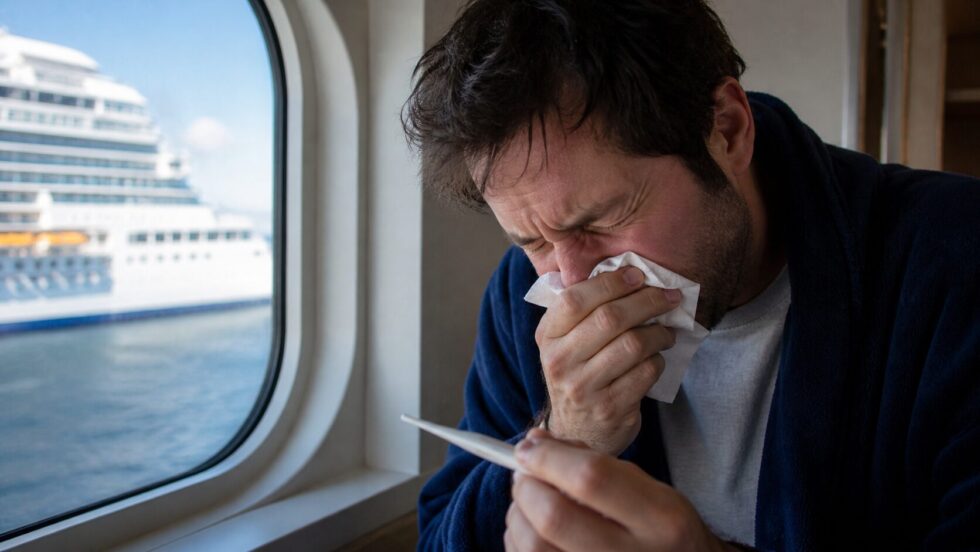
Health experts note that suspected cases on cruise ships or similar environments warrant particular attention due to shared air systems and limited isolation capacity. Although hantavirus is not typically airborne between humans, environmental contamination in enclosed settings can increase exposure risk. Investigations usually focus on hygiene conditions, food storage and pest control measures onboard.
“In confined environments, even rare infections require rapid investigation to rule out environmental exposure and prevent further cases,” — public health advisory statement, UK infectious disease specialists.
Authorities typically conduct environmental testing and trace potential sources, including rodent activity. For UK travellers, such incidents underline the importance of hygiene awareness and reporting symptoms promptly after travel.
How to reduce risk: practical prevention advice for UK residents
Prevention remains the most effective defence against hantavirus infection, particularly for those travelling or working in higher-risk environments. Simple hygiene measures and awareness of surroundings can significantly reduce exposure. UK public health guidance focuses on avoiding contact with rodent-contaminated areas and ensuring proper ventilation when cleaning enclosed spaces.
Travellers returning from regions where hantavirus is more common should remain vigilant for symptoms for several weeks. While the overall risk in the UK is low, awareness helps prevent delayed diagnosis.
Prevention checklist:
- Avoid sweeping or vacuuming rodent-infested areas without protection
- Use gloves and masks when cleaning enclosed dusty spaces
- Store food securely to prevent attracting rodents
- Wash hands thoroughly after outdoor or storage work
Hantavirus remains a rare but serious infection, and the suspected cruise ship deaths serve as a reminder of how quickly uncommon diseases can become urgent health concerns in specific conditions. For UK residents, understanding symptoms, seeking early medical advice and following prevention guidance are key to reducing risk and ensuring timely treatment.
Read about the life of Westminster and Pimlico district, London and the world. 24/7 news with fresh and useful updates on culture, business, technology and city life: Southern Co-op insolvency risk: why is a major UK supermarket chain facing collapse and what happens next