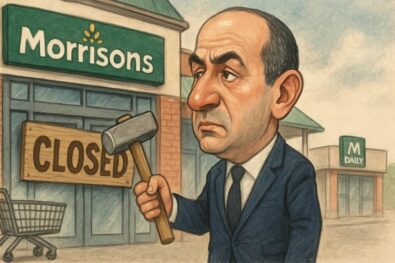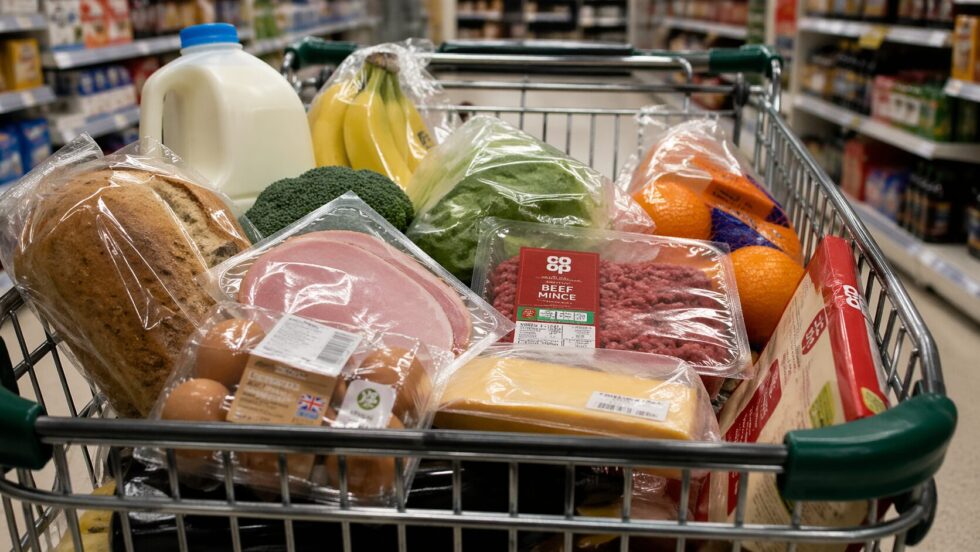
A major UK supermarket operator has issued an urgent warning over the southern co-op insolvency risk, signalling that more than 300 stores and thousands of jobs could be lost as the business edges towards administration, with a proposed merger now framed as its only viable survival route. The regional supermarket group, operating across southern England, confirmed mounting losses, tightening liquidity, and diminishing external support have left it with limited options, prompting a decisive vote among members that will determine whether the company stabilises or collapses, as reported The WP Times via Thesun.
Why is Southern Co-op facing insolvency risk now
Southern Co-op’s financial deterioration has been building over several years, culminating in what executives now describe as a critical juncture. The company has recorded losses for three consecutive years, with projections indicating operating losses could exceed £20 million in the upcoming financial period. This trajectory reflects structural pressures within the UK supermarket sector, including inflationary costs, supply chain volatility, and reduced consumer spending power.
Leadership has acknowledged that while internal cost-control measures were implemented, including a recruitment freeze and reduction of office space, these actions have not been sufficient to reverse the negative trend.
The situation has been compounded by tightening credit conditions, leaving the company increasingly dependent on external financial support. Over the past year, banks and suppliers have played a stabilising role, but executives have now confirmed that such support cannot be extended further within the required timeframe.
The absence of alternative funding solutions has intensified the urgency. No credible offers have emerged that would allow Southern Co-op to continue operating independently. This has effectively narrowed the strategic pathway to a single option: consolidation through a merger with a larger entity.
What does the proposed merger with Co-op Group involve
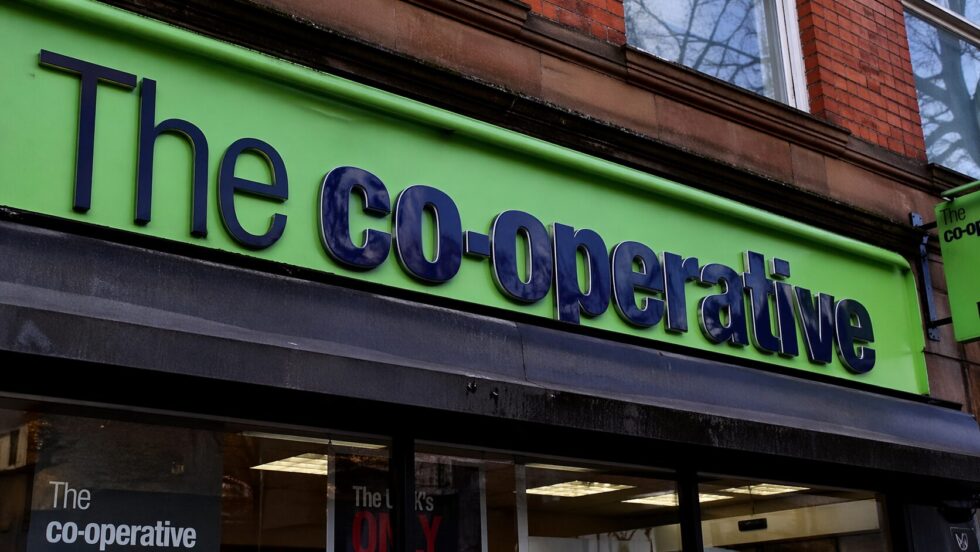
The proposed merger with Co-op Group is positioned by leadership as the only actionable solution capable of delivering immediate financial stability. Under the plan, Southern Co-op’s network of more than 300 food stores, alongside its funeral homes and coffee shops, would be integrated into a larger national structure. The combined entity would generate approximately £11.5 billion in annual sales and operate close to 2,500 outlets across the UK.
Executives argue that the scale of the merged organisation would unlock operational efficiencies, improve purchasing power, and stabilise supply chains.
Crucially, it is also framed as the most effective mechanism to safeguard employment and maintain service continuity across communities currently served by Southern Co-op locations.
Despite this, the merger requires approval from members, reflecting the co-operative governance model. Voting is scheduled to take place during special meetings on May 6 and May 21. The outcome of these votes will directly determine whether the business proceeds with the merger or enters administration.
What happens if members reject the merger deal
The company’s leadership has been explicit about the consequences of a failed vote. If members reject the merger, Southern Co-op is expected to enter insolvency proceedings through administration. In such a scenario, an external administrator would be appointed to oversee the process, with a primary focus on asset recovery and creditor repayment.
This would likely result in widespread store closures, significant job losses, and disruption across supplier networks. Retail workers, many of whom have already faced uncertainty over the past year, would be among the most immediately affected. Suppliers could also incur financial losses due to unpaid invoices or disrupted contracts.
The leadership’s communication to members has emphasised that administration would not provide a pathway to business recovery but rather a structured wind-down. This framing underscores the urgency behind the push for merger approval.
How have external pressures worsened the crisis
Southern Co-op’s challenges are not isolated but reflect broader systemic pressures affecting the UK supermarket sector. Rising operational costs, particularly in energy and logistics, have eroded margins across the industry. At the same time, consumer behaviour has shifted towards value-focused purchasing, intensifying competition among supermarket chains.
An additional factor has been the impact of a cyberattack targeting Co-op Group in the previous year. While not directly responsible for Southern Co-op’s financial position, the incident contributed to wider operational strain within the co-operative retail ecosystem. This has indirectly affected confidence and resilience within the network.
The cumulative effect of these pressures has accelerated Southern Co-op’s financial decline, limiting its ability to adapt or invest in recovery strategies. Without scale or external capital, the organisation has struggled to remain competitive in an increasingly consolidated market.
What are executives and leadership saying
Chief executive Ben Stimson and chair Janet Paraskeva have issued a direct and unambiguous message to members regarding the severity of the situation. Their joint communication aimed to provide what they described as a “full picture” of the company’s financial health, highlighting both the risks and the limited options available.
“If the merger does not go ahead, the most likely outcome is that Southern Co-op will enter insolvency through administration,” - Ben Stimson and Janet Paraskeva said in a letter to members, April 2026.
The leadership has acknowledged that independence remains the preferred long-term vision but conceded that current conditions make it unviable. They have framed the merger as a pragmatic decision designed to preserve as much value as possible for members, employees, and customers.
(“It is not an easy decision, but it is the one that protects more jobs, more services, and more value for members than any other option available to us today,” company leadership stated in official communication.)
What is at stake for the UK supermarket sector
The southern co-op insolvency risk highlights ongoing fragility within segments of the UK supermarket landscape, particularly among regional and mid-sized operators. While larger chains benefit from economies of scale and diversified revenue streams, smaller co-operative structures face increasing difficulty maintaining competitiveness.
The potential collapse of a network exceeding 300 stores would have significant implications beyond the company itself. Local communities could lose access to essential retail services, particularly in areas where Southern Co-op operates as a primary convenience provider. Employment impacts would also extend beyond direct staff to include logistics, suppliers, and associated service providers.
At a strategic level, the situation underscores the accelerating consolidation trend within the supermarket industry. Mergers and acquisitions are becoming a critical mechanism for survival, as businesses seek scale to offset rising costs and market volatility.
What happens next
The immediate focus now rests on the upcoming member votes in May, which will determine the company’s trajectory. Approval of the merger would initiate integration with Co-op Group, potentially stabilising operations and preserving a significant portion of the existing network. Rejection, by contrast, would likely trigger insolvency proceedings within a short timeframe.
Until that decision is made, Southern Co-op continues to operate under constrained conditions, relying on existing support arrangements that leadership has indicated cannot be extended indefinitely. The next few weeks are therefore critical, not only for the company but also for the broader ecosystem connected to its operations.
The outcome will serve as a defining moment for the organisation and a case study in how structural pressures are reshaping the UK supermarket sector under intensifying economic strain.
Read about the life of Westminster and Pimlico district, London and the world. 24/7 news with fresh and useful updates on culture, business, technology and city life: Tesco QR Codes Transform UK Supermarket Barcodes in Sausage Range First Rollout