
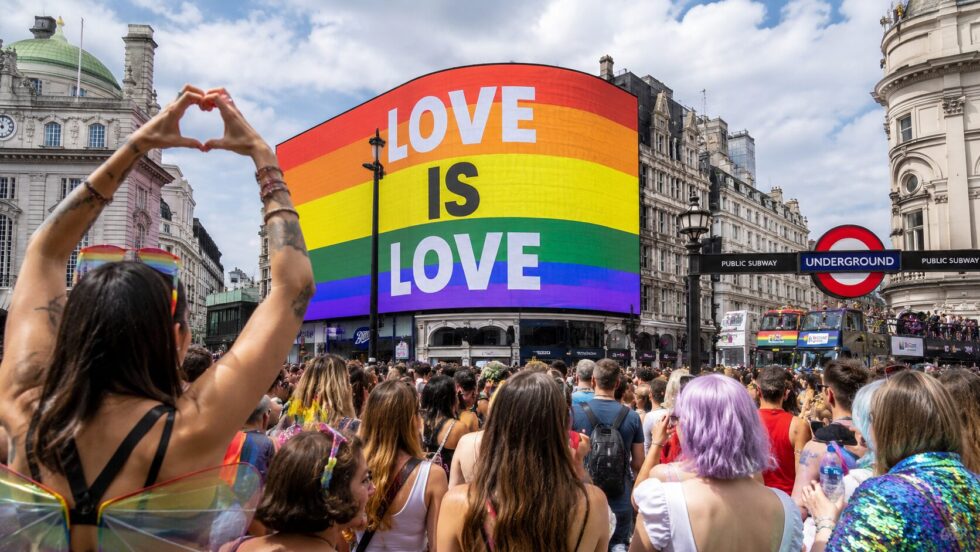
London Pride 2026 is expected to bring more than 30,000 participants and around 1.5 to 1.7 million spectators into central London on Saturday, July 4, transforming Westminster, Piccadilly and Trafalgar Square into the centre of one of Europe’s largest LGBTQ+ public events. Organisers confirmed the parade will again begin near Hyde Park Corner before moving through Park Lane, Piccadilly, Haymarket and Trafalgar Square toward Whitehall, with large-scale security operations, road closures and transport restrictions planned across Westminster and the West End. Officials are preparing for heavy congestion around Green Park, Piccadilly Circus, Charing Cross and Soho as London enters one of its busiest summer weekends, with hospitality venues, hotels and transport hubs expecting exceptionally high demand. Pride in London says the 2026 event will continue its focus on visibility, equality and community representation while expanding public access and grandstand viewing along key sections of Piccadilly, The WP Times reports as Westminster authorities prepare detailed crowd-management operations for the capital’s annual Pride weekend.
The parade has become one of London’s largest annual public gatherings, combining political activism, tourism and entertainment across Westminster’s ceremonial core. According to Pride in London registration data and city event planning, more than 300 groups and floats are expected to participate in 2026, with staging zones operating from the morning until late evening. Transport for London and Westminster City Council are expected to introduce phased restrictions throughout Piccadilly, Haymarket and Whitehall corridors, while Trafalgar Square will again host one of the event’s main public stages. Analysts say the scale of attendance now rivals some New Year and marathon weekends in central London.
Full London Pride 2026 parade route through Westminster
Pride in London organisers confirmed the 2026 parade will follow the traditional central London route used in recent years. The procession is scheduled to step off at around 12 pm near Hyde Park Corner before moving east through Westminster and the West End. Parade participants are expected to travel through some of London’s most internationally recognised streets, including Piccadilly and Trafalgar Square, before finishing near Whitehall government buildings.
The route places Westminster at the centre of the entire event footprint, meaning large areas of central London will effectively operate under event conditions for most of the day. Crowd-control barriers, stewarding systems and police checkpoints are expected throughout the route. Organisers say accessible viewing sections, toilets, first-aid stations and security areas will again be distributed along the parade corridor.
Expected 2026 Westminster parade route
| Parade section | Area | Expected conditions |
|---|---|---|
| Hyde Park Corner | Westminster | Main assembly zone |
| Park Lane | Central London | Float staging area |
| Piccadilly | West End | Main viewing corridor |
| Piccadilly Circus | Westminster edge | Heavy congestion |
| Haymarket | St James’s | Entertainment zone |
| Trafalgar Square | Westminster | Main stage activity |
| Whitehall | Government district | Parade dispersal |
The Piccadilly and Trafalgar Square sections are expected to attract the largest spectator crowds because of transport links, visibility and nearby hospitality venues. Soho side streets traditionally become significantly busier after the parade passes through Haymarket. Officials are advising visitors to arrive early if they want a front-row viewing position.
Best viewing areas for London Pride 2026
- Piccadilly near Green Park station
- St James’s Piccadilly grandstand zone
- Haymarket parade corridor
- Trafalgar Square stage area
- Whitehall approaches
- Soho entrances after the parade
Premium viewing platforms along Piccadilly have already gone on sale for 2026, with organisers offering front-row seating overlooking the parade route. Ticketed grandstands are expected to become one of the highest-demand spectator options during the event weekend.
Westminster road closures and Tube disruption expected across central London
Large-scale transport restrictions are expected throughout Westminster from early morning on July 4. Westminster City Council and TfL typically introduce rolling closures beginning before parade assembly starts near Hyde Park Corner. Major routes including Piccadilly, Cockspur Street, Haymarket and Whitehall are likely to face partial or complete shutdowns during the afternoon. Bus diversions and restricted taxi access are also expected across the West End. Visitors are being advised to avoid driving into Westminster during Pride weekend unless absolutely necessary.
Transport planners expect several Underground stations to experience severe congestion due to the concentration of crowds around Westminster and Soho. Crowd-management systems, temporary gate restrictions and controlled station exits are expected at multiple locations.
Tube stations likely to face the heaviest pressure
| London Underground station | Expected crowd level |
|---|---|
| Green Park | Extremely busy |
| Piccadilly Circus | Severe congestion |
| Charing Cross | Very crowded |
| Leicester Square | High footfall |
| Westminster | Security restrictions |
| Oxford Circus | Overflow crowds |
Tourism analysts expect Pride weekend hotel occupancy across Westminster, Soho and Covent Garden to rise sharply during the first days of July. Restaurants and rooftop venues near Trafalgar Square and Piccadilly Circus are also preparing for one of the busiest Saturdays of the summer season.
Which roads will be closed during London Pride 2026 in Westminster
Major road closures are expected across Westminster and the West End on Saturday, July 4, as London Pride 2026 brings huge crowds into central London. Westminster City Council and Pride in London organisers confirmed that traffic restrictions will affect the parade corridor from Hyde Park Corner to Whitehall, with closures beginning early in the morning and continuing into the evening. Piccadilly, Haymarket and Trafalgar Square areas are expected to face the biggest disruption due to parade staging, crowd-control barriers and security operations.
TfL is also warning drivers to avoid central London because buses, taxis and private vehicles may be diverted for several hours. Local access for residents and deliveries around St James’s and Soho may be limited while the parade is active.
Roads expected to close during London Pride 2026
| Road / area | Expected impact |
|---|---|
| Hyde Park Corner | Parade assembly restrictions |
| Park Lane | Temporary traffic closures |
| Piccadilly | Main parade closure zone |
| Piccadilly Circus | Heavy crowd control |
| Haymarket | Full parade route restrictions |
| Cockspur Street | Traffic diversions |
| Trafalgar Square | Event and stage closures |
| Whitehall | Parade finish area closure |
| Pall Mall East | Restricted vehicle access |
| Regent Street nearby sections | Congestion and diversions |
Westminster officials say pedestrian crossing points will remain available in some sections of Piccadilly during the parade, but movement may slow significantly during peak crowd periods. Organisers are strongly advising visitors to use the Underground instead of driving into Westminster on July 4. Green Park, Piccadilly Circus and Charing Cross stations are expected to become the busiest transport hubs during the event.
Trafalgar Square stages, Soho nightlife and Pride weekend events
Alongside the main parade, Pride in London 2026 will again include large entertainment areas across Westminster and Soho. Trafalgar Square is expected to host the main stage with live performances, speeches and community programming throughout the afternoon and evening. Additional activity zones are expected around Golden Square, Leicester Square and Dean Street in Soho. Organisers say the wider Pride weekend will extend beyond the parade itself, with events taking place from July 2 through July 5 across multiple London districts.
Soho remains one of the most important nightlife centres during Pride weekend, with bars and LGBTQ+ venues operating extended schedules and outdoor activity throughout the day. Security presence in the district is also expected to increase because of the density of evening crowds after the parade concludes.
“Pride in London transforms the Capital into a stage for visibility.” (Pride in London official statement, 2026)
Main Pride activity zones expected in 2026
Trafalgar Square
The square is expected to host headline performances, public speeches and community events throughout the day. Large screens, security barriers and controlled-entry systems are usually installed around the area before the parade begins.
Soho
Old Compton Street and surrounding nightlife areas traditionally become the centre of evening celebrations after the parade disperses from Whitehall. Police and stewards usually maintain enhanced monitoring throughout the night.
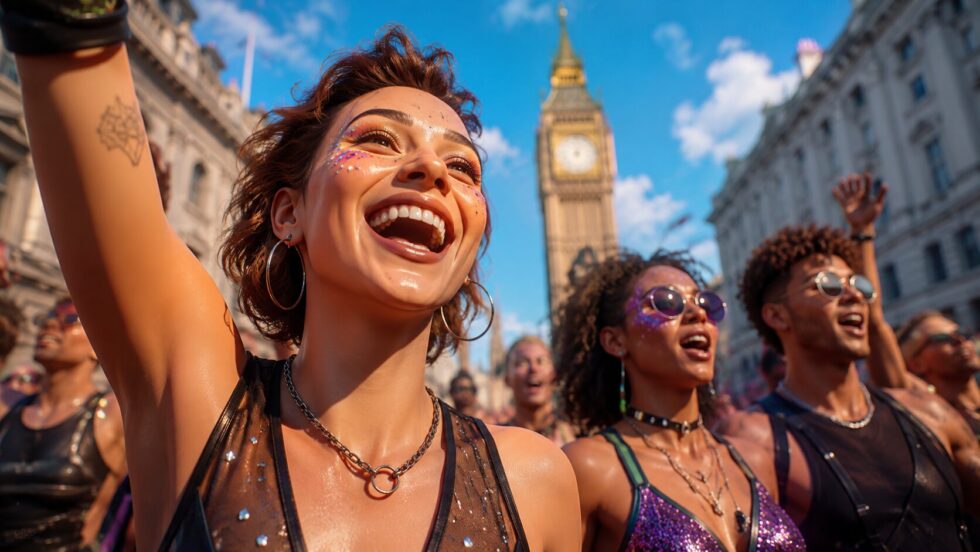
Why London Pride continues to grow across Westminster and the West End
Pride in London has expanded dramatically since the first London Pride march in 1972. What originally began as a political demonstration linked to LGBTQ+ rights movements has evolved into one of Europe’s largest annual public celebrations. In recent years, organisers say the event has regularly attracted more than 1.5 million attendees and tens of thousands of official participants. Westminster’s role remains central because the route passes directly through London’s ceremonial and political heart.
The 2026 edition also reflects broader changes in London’s summer events economy. Pride weekends now generate major business activity for hotels, restaurants, retail and tourism operators across central London. Hospitality groups near Piccadilly Circus and Trafalgar Square often describe the event as one of the strongest trading weekends of the year.
London Pride growth over recent decades
| Year | Key development |
|---|---|
| 1972 | First official London Pride march |
| 1990s | Major expansion across central London |
| 2012 | International exposure during Olympic year |
| 2022 | 50th anniversary celebrations |
| 2026 | Expanded Westminster planning and security |
Event organisers say the parade remains both a celebration and a protest platform focused on visibility, equality and representation for LGBTQ+ communities in Britain and internationally.
What visitors should know before attending London Pride 2026
Visitors planning to attend Pride in London 2026 are being advised to prepare for long walking distances, security screening and heavy mobile network congestion across Westminster. Organisers recommend using public transport rather than private vehicles because of extensive road restrictions. Travellers are also encouraged to carry minimal luggage and remain hydrated during periods of warm weather and long queue times. Police and medical teams are expected to operate throughout the event footprint.
Key information for Pride in London 2026
| Detail | Information |
|---|---|
| Event | Pride in London 2026 |
| Main parade date | Saturday, July 4, 2026 |
| Parade start | Around 12 pm |
| Main district | Westminster |
| Main stage | Trafalgar Square |
| Parade finish | Whitehall |
| Expected attendance | Up to 1.7 million spectators |
| Official organiser | Pride in London |
Final transport maps, accessibility guidance and stewarding information are expected to be published closer to the event date. Westminster authorities say additional operational details will likely be confirmed during the final weeks before the parade.
Read about the life of Westminster and Pimlico district, London and the world. 24/7 news with fresh and useful updates on culture, business, technology and city life: Best Hotels Near Horse Guards Parade For Trooping The Colour 2026: Where To Stay In Central London