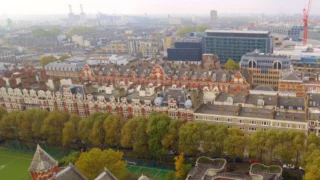
Pimlico is one of the most distinctive districts in London, admired for its rich history and elegant architecture. Situated in the City of Westminster, the area has witnessed centuries of urban development and social change. From the construction of garden squares to the emergence of influential political residents, Pimlico has a unique story that sets it apart from other London neighborhoods. Its riverside location and planned streets create a peaceful atmosphere, contrasting with the bustling areas nearby. Pimlico attracts both historians and tourists interested in exploring London’s heritage. The district’s significance extends beyond aesthetics, touching on cultural, political, and architectural dimensions. More detailed insights about Pimlico can be found at The WP Times.
Origins and Development of Pimlico
Pimlico’s history begins in the 17th century when marshlands along the Thames were gradually converted into residential plots. Initially sparsely populated, the area became a desirable residential district in the 19th century with the construction of terraced houses and garden squares. Unlike many London districts that developed chaotically, Pimlico was intentionally planned to offer residents both comfort and visual appeal. The social makeup included middle-class professionals and wealthy merchants, fostering a unique community atmosphere. Urban planners emphasized green spaces and riverside access, which remain central to Pimlico’s identity. Over the centuries, the district has preserved much of its original character while accommodating modern urban life. These factors collectively contributed to Pimlico’s reputation as a historically significant and well-designed neighborhood.
Key Historical Factors
Several key historical factors shaped Pimlico’s development. Its proximity to Westminster enabled residents to participate in political life and cultural activities. The district survived major events like the Blitz during World War II with relatively minor damage, preserving much of its original architecture. Garden squares and wide streets were a deliberate planning choice to create both aesthetic appeal and community spaces. Wealthy and influential residents played a role in maintaining local standards and architectural consistency. Intellectuals and artists contributed to Pimlico’s vibrant cultural life. These factors combined to make Pimlico a model for thoughtful urban planning in London.
Pimlico’s Architectural Heritage
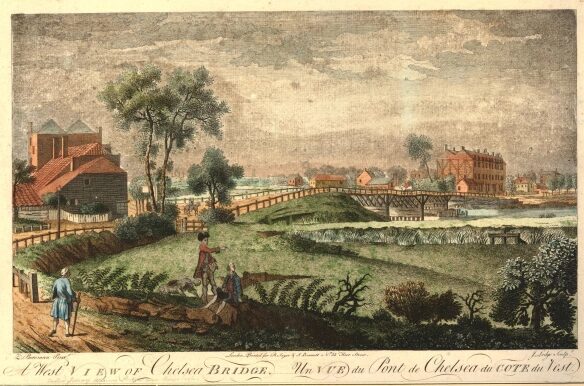
Pimlico is widely recognized for its Regency and Victorian architecture. Its terraced houses, symmetrical facades, and hidden courtyards provide a visual cohesion rarely seen in London. The district’s layout reflects careful planning, combining green spaces with functional urban design. Many buildings are now protected under heritage laws, preserving the area for future generations. Architecture enthusiasts find the uniformity and elegance of Pimlico especially notable. The district demonstrates how thoughtful urban design can create lasting appeal.
Before examining key landmarks, it is important to note that Pimlico’s urban planning was innovative for its time. Streets were designed to allow both pedestrian and carriage access, while public gardens were integrated to encourage community use. This thoughtful design contributed to the long-term desirability of the area. Visitors today can still see the balance of functionality, beauty, and accessibility that planners prioritized.
Notable Architectural Landmarks in Pimlico
| Landmark | Period | Significance |
|---|---|---|
| St. George’s Square | 1820s | Early example of garden square design; a central community hub |
| Dolphin Square | 1930s | Large residential complex with modernist design; political connections |
| Regency Terraces on Lupus Street | 1820–1830 | Classic Regency architecture, emphasizing symmetry and elegance |
| Eccleston Bridge | 19th century | Connects residential and commercial areas; functional urban planning |
The table highlights the architectural diversity that makes Pimlico unique. Each landmark represents a different era of urban development, demonstrating how the district adapted over time. Preservation efforts have maintained their historical significance while supporting modern living. The integration of community spaces and elegant structures contributed to Pimlico’s long-lasting appeal. Residents and visitors alike benefit from the combination of history, aesthetics, and functionality. This architectural heritage is a key reason Pimlico continues to be celebrated among London districts.
Social and Cultural Life
Pimlico has long been a center for cultural and social activity. Community clubs, churches, and local societies fostered engagement among residents. Art, music, and literary groups contributed to the intellectual life of the district. Festivals, public events, and cultural programs continue to strengthen community ties. The district’s garden squares have historically served as venues for gatherings, further promoting social cohesion. Residents take pride in preserving both the aesthetic and cultural character of Pimlico. These factors create a living history that complements the district’s architectural heritage.
Pimlico’s Role in UK Political History
Pimlico’s proximity to Westminster has made it historically important in political terms. Many politicians, civil servants, and influential figures chose to reside in the district. The area also hosted meetings, discussions, and informal gatherings that influenced policy and public opinion. This political significance shaped the social and cultural identity of Pimlico. Its stability, accessibility, and prominence made it attractive for individuals connected to national governance.
Before presenting specific connections, it is important to understand that political influence was a natural extension of Pimlico’s residential appeal. The district offered both privacy and proximity to power, making it ideal for socially and politically engaged residents. These conditions encouraged a community invested in both local and national matters.
Political Connections of Pimlico
- Home to prominent Members of Parliament and diplomats
- Venue for political and social gatherings linked to legislative activities
- Active participation in political clubs and societies by residents
- Influence on local governance and urban planning decisions
This list demonstrates the enduring political significance of Pimlico. The district was not merely a residential area but a hub of influence that affected London and UK politics. Its residents historically balanced public engagement with private life, creating a unique socio-political environment. The legacy of these connections continues to shape Pimlico’s identity today.
Modern Pimlico
Today, Pimlico blends its historical charm with modern living. Cafes, restaurants, and boutique shops complement residential blocks. Renovations and urban renewal projects have improved infrastructure without compromising architectural integrity. Public gardens, community centers, and cultural venues remain central to neighborhood life. Residents enjoy a balance of calm residential streets and proximity to central London amenities. The riverside location also offers scenic walking routes and recreational opportunities. Modern Pimlico demonstrates how a district can evolve while preserving its heritage.
Pimlico Compared to Other London Districts
Pimlico stands out among London districts for its combination of architectural preservation, cultural history, and political relevance. While areas like Chelsea or Kensington focus on luxury and exclusivity, Pimlico emphasizes social cohesion and thoughtful urban planning. Its well-preserved streets and garden squares contrast with districts that underwent aggressive redevelopment. The unique combination of residential appeal, cultural identity, and political significance gives Pimlico a distinctive place in UK history.
Before presenting comparative details, it is important to recognize that Pimlico’s identity is shaped by both tangible and intangible factors. Its buildings, streets, and squares are complemented by traditions, community engagement, and social networks. Visitors often remark on the district’s calm elegance, which stands out in contrast to busier parts of London.
Comparison of Pimlico with Other Districts
| District | Unique Feature | Historical Significance |
|---|---|---|
| Pimlico | Regency & Victorian architecture | Long-standing cultural and political hub |
| Chelsea | Luxury residences and fashion | Elite cultural influence |
| Kensington | Museums and embassies | International prestige |
| Camden | Music and markets | Cultural diversity and nightlife |
| Greenwich | Maritime heritage | Naval and scientific history |
This table illustrates Pimlico’s distinctiveness. While other districts may excel in luxury, culture, or tourism, Pimlico offers a unique combination of history, planning, and community involvement. The district’s careful preservation and engagement have allowed it to maintain identity despite modern pressures. Such a balance makes Pimlico a model for sustainable urban living.
Community Engagement
The strong sense of community in Pimlico contributes to its lasting appeal. Residents participate in neighborhood associations, volunteer programs, and heritage projects. Public events and festivals celebrate both local history and contemporary culture. Gardens, squares, and community centers serve as hubs for interaction and civic engagement. This active participation ensures that Pimlico retains its character while accommodating modern life. The combination of social involvement and historical preservation makes Pimlico unique among London districts.
Pimlico stands out in London for its historical development, architectural heritage, cultural significance, and political connections. The district exemplifies successful urban planning that combines residential comfort with public spaces and aesthetic appeal. Its garden squares, terraces, and riverside location enhance its attractiveness while preserving historical character. Political influence, intellectual engagement, and community involvement have all contributed to Pimlico’s identity. Today, the district continues to balance modern life with historical preservation, making it a distinctive example of London’s rich urban tapestry. Visitors and residents alike experience the blend of heritage, culture, and functionality that makes Pimlico truly remarkable.
Read about the life of Westminster and Pimlico district, London and the world. 24/7 news with fresh and useful updates on culture, business, technology and city life: Pimlico and UK Transport: How Well Connected Is This London District.