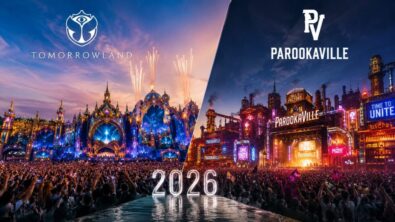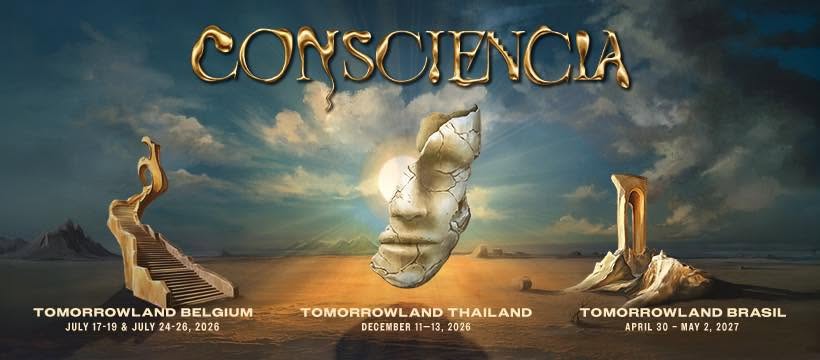
Tomorrowland 2026 is back – and for thousands of British fans, the countdown has begun. If you want to be there next summer, here is what, when and where it all happens: the biggest electronic music festival on the planet returns to the De Schorre park in Boom, between Brussels and Antwerp, across two July weekends – 17–19 and 24–26 July 2026 – under a brand-new theme called 'Consciencia'. How the festival is moving on after the devastating main-stage fire of 2025, and why organisers are still betting on a record summer, reports The WP Times.
For visitors travelling from the UK, three questions dominate: how on earth do you still get a ticket, what will the trip actually cost in pounds, and what is the smartest way to reach Boom from London or the regions? This in-depth guide pulls together everything you need – the history, the full line-up and programme, the stage guide, the prices, the travel options and the packing essentials – and makes sense of what that spectacular blaze in July 2025 really means for the edition ahead.
What exactly is Tomorrowland – and why it's a bucket-list festival
Tomorrowland is not so much a music festival as a fully built fantasy world. Held annually in the small Belgian town of Boom, roughly halfway between Brussels and Antwerp, it transforms a provincial recreation park into an immersive realm of elaborate stages, fairy-tale storytelling and pyrotechnics, soundtracked by the biggest names in dance music. Each year the entire site is designed around a single narrative theme, with the colossal Mainstage as its centrepiece and more than a dozen further stages hidden across the grounds.
The scale is staggering. The festival draws roughly 400,000 people across its two weekends, from more than 200 countries, yet the grounds hold only around 60,000 fans per day – which is precisely why demand so wildly outstrips supply. Reports suggest that well over two million people log on to try for tickets each year. Fans call themselves the 'People of Tomorrow', wave national flags, and treat the trip almost as a pilgrimage; for many in the electronic-music world, going at least once is considered a rite of passage. Add the famous DreamVille campsite, gourmet food, a dedicated radio station and a strong sustainability programme, and you begin to understand why Tomorrowland is regularly voted the best festival in the world.
The history: from 9,000 Belgians to a global phenomenon
Tomorrowland's story begins in 2005. Belgian brothers Manu and Michiel Beers, working with festival producer ID&T, staged the very first edition on 14 August that year at De Schorre in Boom – the same park that still hosts it today. It was a modest affair of around 9,000 to 10,000 attendees, almost all Belgian, with Armin van Buuren among the headline acts. From the start, though, the ambition and atmosphere set it apart.
Growth came fast. The festival moved permanently to July, expanded to two days in 2007 and topped 50,000 visitors with more than 100 artists in 2008. In 2009 it sold out for the first time and introduced what would become a signature: an annual theme woven through the Mainstage design. The real turning point was 2011, when the festival's 'aftermovie' went viral on YouTube, broadcasting Boom's message of unity and celebration around the world and turning a regional event into a global brand. That same year it stretched to three days and won its first International Dance Music Award for Best Event.
From there, the expansion was relentless. The festival celebrated its tenth anniversary in 2014 by running across two weekends for the first time, a format that became permanent from 2017 as attendance settled at around 400,000 across both. The brand spread internationally too: sister festival TomorrowWorld ran near Atlanta in the United States from 2013 to 2015, Tomorrowland Brasil launched in São Paulo, and Tomorrowland Winter debuted in the French Alps resort of Alpe d'Huez in 2019. In 2022, organisers built their largest Mainstage yet – some 270 metres wide and 53 metres high. And in 2026, the brand is reaching Asia for the first time, with Tomorrowland Thailand scheduled for December.
Then came the moment that dominated headlines in 2025: on 16 July, two days before the gates opened, a fire tore through the Mainstage and destroyed roughly three-quarters of the structure. Yet the festival went ahead, a replacement stage was built in 48 hours, and the show went on. That blend of spectacle, scale and sheer resilience is exactly the legacy Tomorrowland carries into 2026.
When and where: dates, the 'Consciencia' theme and the essentials
The key facts are simple. Tomorrowland 2026 runs across two classic July weekends – Weekend 1 from 17 to 19 Julyand Weekend 2 from 24 to 26 July – at the De Schorre park in Boom, around 25 kilometres south of Antwerp and roughly 30 kilometres from Brussels. The festival is strictly 18+, and tickets are personalised, so a valid ID is essential.
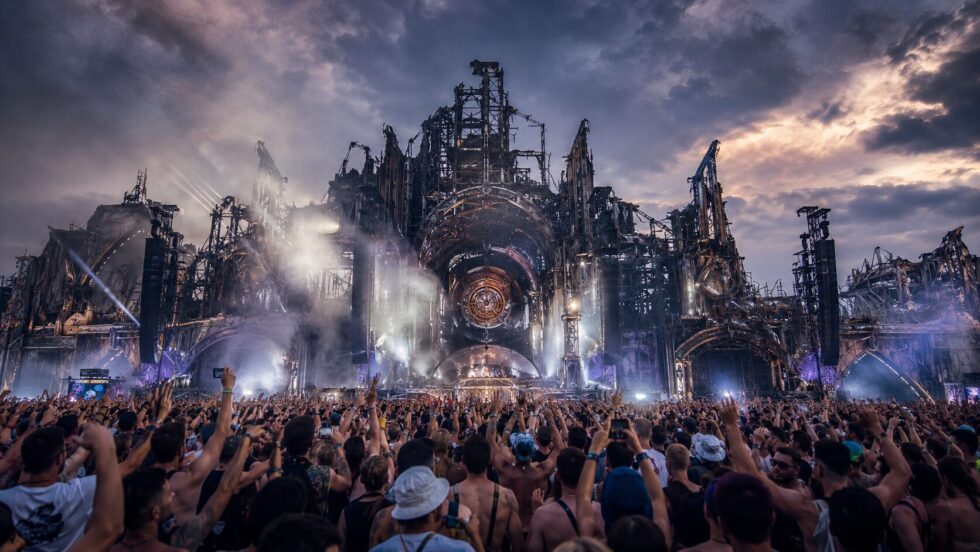
This year's theme is 'Consciencia', built around ideas of awareness and connection, and it shapes everything from the decoration to the storytelling and the all-new Mainstage that replaces 2025's lost 'Orbyz' design. Across the two weekends, more than 500 artists perform on 16 stages, with each day typically running from around midday until the early hours. The official Tomorrowland app, which maps every stage, set time and footpath, is the single most useful planning tool in the final days before you travel.
The 2026 line-up and programme: headliners, a historic debut and the F2F format
The line-up reads like a who's who of dance music. On the Mainstage, expect David Guetta, Martin Garrix, Hardwell, Dimitri Vegas & Like Mike, Lost Frequencies, The Chainsmokers, Steve Aoki, Alesso, John Summit, Nicky Romero, Afrojack, R3HAB, Chase & Status, Sara Landry, Miss Monique, Alok, Kölsch and Steve Angello, among many others. The single biggest talking point, though, is a long-awaited debut: Calvin Harris plays Tomorrowland for the first time – his first appearance for the brand since TomorrowWorld back in 2013.
There is a second celebrated return for the trance and progressive crowd: Armin van Buuren is back, largely on the Freedom stage. Add the likes of Fisher, Indira Paganotto, Amelie Lens, Artbat, Rezz, Meduza, Netsky, Sebastian Ingrosso, Nervo, Vini Vici, Gabry Ponte, Joel Corry, Gryffin and Blasterjaxx, plus headline-grabbing debuts from Illenium, Belgian techno act NOVAH and even Paris Hilton. Worth noting for anyone planning around a specific act: Tiësto, Mau P, Dom Dolla and Swedish House Mafia (as a group) are absent in 2026.
The standout new format is F2F ('Face to Face'), where two DJs play on separate booths positioned directly opposite each other – an evolution of the classic back-to-back set, making its Tomorrowland debut in 2026 with pairings such as Serafina F2F Zwilling and Emilija F2F Frederic. Traditional B2B sets remain a hallmark too, including Hardwell with Sub Zero Project and HI-LO B2B Layton Giordani. A useful update for planners: the full set times for both weekends are already published, so you can build your daily schedule now – and there is a deliberate twist, with a surprise, as-yet-unnamed Mainstage set announced for Weekend 1 on Sunday 19 July.
The stages: a guide to 16 worlds
First-timers routinely underestimate that the real magic begins away from the Mainstage. More than 15 stages are scattered across the grounds, each with its own sound, design and atmosphere, many curated day by day by guest labels and crews:
- Mainstage – the centrepiece, rebuilt for 2026 in the 'Consciencia' style; home to the biggest names.
- Freedom by Budweiser – a vast indoor arena with a huge LED backdrop; one of the most technically spectacular stages, hosting trance, progressive and underground (and Armin van Buuren's return).
- CORE – the cult stage for hypnotic house and techno, set in a beautifully designed, woodland-like setting.
- Atmosphere – harder and more uncompromising, with techno and hard-techno from the likes of Sara Landry, Nico Moreno and Indira Paganotto.
- The Great Library – big room, hardstyle and mainstream EDM, often delivering the most euphoric sing-along moments.
- Crystal Garden, The Rose Garden, Planaxis, Elixir, Cage, The Rave Cave, Melodia by Corona, Celestia, House of Fortune by JBL, Moose Bar – a sweep from melodic house and psytrance to hardstyle, plus intimate bars and hidden corners that turn the site into a labyrinth of sound.
The practical advice for UK fans: build in time to get pleasantly 'lost'. Sprint only from headliner to headliner and you'll miss the festival's real soul – the smaller stages often deliver the most intense moments, and they're far less crowded than the Mainstage at peak time.
How to get in: tickets, prices, sell-outs and the resale route
Here's the difficult part for any UK fan: the official passes for Tomorrowland Belgium 2026 are already sold out. The worldwide sale opened on Saturday 31 January 2026 at 17:00 CET and was gone within minutes. Access depended entirely on completing the official pre-registration in advance – no registration, no place in the queue.
If you want to understand the price tiers – useful for the waiting list and official resale – these are the official base prices in euros, with rough sterling equivalents (which will shift with the exchange rate):
| Ticket type | What you get | Price (EUR) | approx. Price (GBP) |
|---|---|---|---|
| Day Pass | Standard single-day entry | 138–153 | approx. £117–130 |
| Day Pleasure Pass | A bit more comfort | 190–220 | approx. £162–187 |
| Day Comfort Pass | Full VIP comfort area | 249–268 | approx. £212–228 |
| Full Madness Pass | 3-day weekend access | 300+ | approx. £255+ |
| Treasure Case (shipping) | Wristband & box delivery | 15–31 | approx. £13–26 |
A detail not to overlook: your wristband arrives in a beautifully made Treasure Case, and shipping costs vary by region. Post-Brexit, deliveries to the UK can carry extra time and potential customs handling, so factor that in early rather than discovering it the week before you travel.
And if everything is sold out? There are exactly two safe routes. The first is Tomorrowland's official waiting list, which fairly redistributes any tickets that become available. The second is the official resale platform, Pearl by Tomorrowland, where registered fans can legally pass on and buy personalised tickets. Everything else is off-limits: street sellers, dodgy social-media posts and inflated third-party sites are selling tickets that are personalised and will be rejected at the gate. Panic-buy from an unknown seller and you risk standing outside with a worthless code. If you miss out entirely, register now for 2027 and keep an eye on the brand's other editions – Tomorrowland Winter in the French Alps is a realistic alternative for UK travellers.
Paying on site: the Pearls cashless system and your budget
Once inside, you won't pay with cash. Tomorrowland runs entirely on Pearls, its own cashless currency. Your festival wristband contains an RFID/NFC chip; you load Pearls in advance or at the many top-up terminals across the site, then pay at bars and stalls simply by tapping the band. It's quick, but it comes with two things worth knowing.
First, register your wristband in advance through the official portal and link it to your account. That's both convenient and a security measure – a registered band linked to your identity can be deactivated if lost, and nobody can link it to a stranger's account before you do. Because newer wristbands can use QR codes for top-ups, it's wise to keep that code covered during the festival rather than flashing it around.
Second, budget generously for on-site spending. Drinks, food and extras at a festival of this scale sit at the premium end, and three days of dancing add up faster than you'd expect. Leftover Pearls can usually be refunded afterwards, so check the deadline and process so you don't lose any remaining balance. As a rough all-in guide from the UK – and it is only a guide – a weekend including ticket, travel, accommodation and spending realistically starts at around £600–1,000 and climbs from there depending on whether you camp or hotel it, and how early you book your travel.
How to get there from the UK: Eurostar, flights, driving and Global Journey
Boom sits conveniently between Brussels and Antwerp, and from the UK there are several sensible ways in.
By Eurostar. Often the most relaxed option: direct trains run from London St Pancras to Brussels-Midi/Zuid in around two hours. From Brussels, you reach Boom by regional train plus the official Tomorrowland shuttle buses that run frequently during the festival. Book early for the best fares, as popular departures sell out fast in festival week.
By air. The quickest door-to-door route for many. Flights from London (Heathrow, Gatwick, City, Stansted, Luton) to Brussels (BRU) take around 1h15; regional fliers from Manchester, Birmingham, Edinburgh, Bristol or Newcastlecan reach Brussels or Brussels-Charleroi (CRL) too. From the airport you transfer on to Boom. Book early and fares are often modest; leave it late and they climb sharply.
By car. For groups, driving can make sense. Cross via the Eurotunnel from Folkestone to Calais (around 35 minutes) or a Dover ferry, then it's roughly 150 kilometres and about 1h45 from Calais to the Boom area. Be warned: there is no parking 'at the gate' – you use official, sometimes paid, park-and-ride zones and shuttle in, and traffic around Boom is heavy in festival week, so build in plenty of buffer time. Global Journey – the official package. For many international visitors, Tomorrowland's own Global Journeyprogramme is the easiest solution, bundling travel (including party flights and buses), accommodation, transfers and exclusive pre-parties in Brussels and Antwerp into one booking. Tellingly, even during the 2025 fire, Global Journey activities in Brussels and Antwerp ran as planned – a sign of how robustly that side is organised. UK fans should check Global Journey allocations early, as they're limited and can be tied to ticket registration.
| From | Eurostar / Rail | Flight to Brussels |
|---|---|---|
| London | ~2 hrs to Brussels (St Pancras) | ~1h15 (LHR/LGW/LCY/STN/LTN) |
| Regions (e.g. Manchester) | rail + Eurostar via London | ~1h15–1h30 to BRU/CRL |
| By car | Eurotunnel ~35 min + ~1h45 drive | – |
Where to stay: DreamVille camping and hotels
For the full experience, you stay in DreamVille, the enormous festival campsite right beside the grounds. In 2025, the first night alone drew around 38,000 campers. DreamVille offers several comfort levels – from your own pitch to pre-pitched tents, cabins and premium options – plus its own food markets, cafés and a warm-up event, The Gathering, the night before the festival proper. The upside is you're in the heart of it with short walks; the downside is that these packages are limited and go early, so book ahead. Note that standard camping is tent-based; if you're considering a campervan, check the official rules first.
Prefer comfort and quiet? Base yourself in a hotel in Antwerp (about 25 km), Mechelen (closer still and often better value) or Brussels (excellent rail links, huge choice), then commute in by train and shuttle. Be aware that hotel prices across the region rise noticeably over the two festival weekends and well-located rooms book out early – compare Mechelen and smaller towns along the rail line for fairer rates. Whichever you choose, leave a comfortable buffer for the journey home: the post-festival crush is significant, and a tight Eurostar or flight connection quickly becomes a stress point.
Weather, packing and practical tips
Belgian weather in July is changeable: warm, sometimes hot days are just as likely as short, sharp rain showers. Pack on the 'be ready for anything' principle – lightweight waterproofs and sun cream both belong in your bag. Sturdy, comfortable footwear is non-negotiable on a sprawling site that means long walks and many hours on your feet.
On money: you'll pay in euros off-site and in Pearls on-site. If you need cash, change it at a good rate before you go or withdraw locally, and use a card with low foreign-transaction fees – over a long weekend that easily saves a meaningful sum. For mobile data, check your roaming allowance (post-Brexit, some UK networks charge for EU roaming) or consider a local eSIM, because the grounds get congested and signal is patchy; agree meeting points with friends in advance.
Essentials to bring: a valid passport/ID (your wristband is linked to your identity), a power bank, a reusable water bottle, earplugs and – don't underestimate this – a realistic sleep and recovery plan. With two festival days plus travel each way, sheer exhaustion catches people out. A rest day after you get home is time well spent. Get the ticket sorted through official channels or Pearl, lock in travel and accommodation early, set up your Pearls and eSIM, and Boom is yours for the taking.
Frequently asked questions (FAQ)
When is Tomorrowland 2026?
Across two weekends: 17–19 July and 24–26 July 2026, at the De Schorre park in Boom, between Brussels and Antwerp.
Was Tomorrowland cancelled because of the fire?
No. The fire destroyed the 2025 Mainstage but did not cancel the festival – it went ahead on a replacement stage built in 48 hours. The 2026 edition is running as normal and is sold out.
How much are tickets for 2026?
Official base prices: Day Pass around €138–153, Pleasure €190–220, Comfort €249–268, and the 3-day Full Madness Pass from around €300 – roughly £117 to £255+ depending on the rate, plus shipping and on-site spending.
Where can I still get a ticket if it's sold out?
Only via the official waiting list or the official resale platform, Pearl by Tomorrowland. Never from street or social-media sellers – tickets are personalised and otherwise invalid at the gate.
When did tickets go on sale?
The worldwide sale opened on 31 January 2026 at 17:00 CET and sold out within minutes. Pre-registration was required.
Who is playing in 2026?
Names include David Guetta, Martin Garrix, Hardwell, Lost Frequencies, The Chainsmokers, John Summit, Alesso, Armin van Buuren and the historic debut of Calvin Harris. Tiësto and Swedish House Mafia (as a group) are absent.
What is the 2026 theme?
'Consciencia', with an all-new Mainstage after the loss of the 'Orbyz' stage in 2025.
How do I pay on site?
Cashless, using Pearls loaded onto your RFID wristband; leftover balance is usually refundable. Register your wristband in advance.
What's the best way to get there from the UK?
Eurostar from London to Brussels (about 2 hours), flights to Brussels (about 1h15 from London), or Eurotunnel and drive. Global Journey is the easiest all-in package.
Where should I stay?
The DreamVille campsite beside the grounds, or hotels in Antwerp, Mechelen or Brussels with rail and shuttle links. Book early, as prices rise sharply in festival week.
Read about the life of Westminster and Pimlico district, London and the world. 24/7 news with fresh and useful updates on culture, business, technology and city life: House of the Dragon season 3: HBO turns the Targaryen war into its biggest test yet