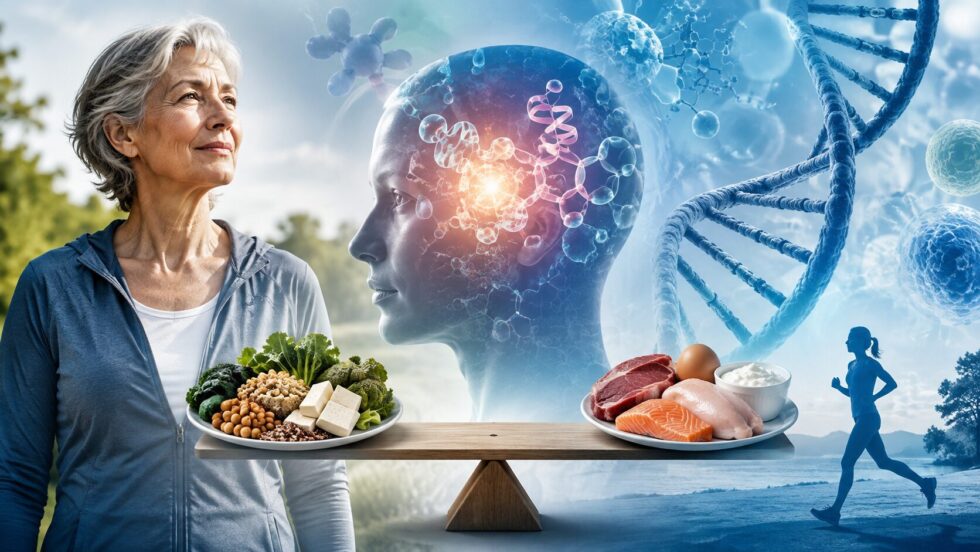
Aging and protein intake research published on 31 July 2026 challenges one of the dominant messages in modern nutrition: that adding more protein to almost every meal, snack and drink is automatically good for health. After examining more than 350 scientific papers, researchers concluded that moderate protein restriction can activate metabolic and cellular processes associated with healthier ageing and, in several animal models, longer life. The findings do not show that people should eliminate protein or deliberately become deficient. Instead, they suggest that many sedentary adults who already meet their nutritional needs may gain little from protein-enriched cereals, shakes, coffees and snack foods, The WP Times reports.
The review, led by researchers at the University of Wisconsin–Madison and published in the journal Cell Press Blue, brings together evidence from humans, rodents, flies, yeast and other experimental organisms. It identifies recurring biological mechanisms involving the hormone FGF21, nutrient-sensing pathways, cellular repair and particular amino acids, including methionine, isoleucine and valine. Yet the authors also stress that protein requirements are not universal: athletes, pregnant women, older people at risk of muscle loss and patients recovering from illness or surgery may need substantially more than a healthy but inactive adult. The practical conclusion is therefore not “eat as little protein as possible”, but “avoid consuming more than your body requires”.
What the New Aging and Protein Intake Research Found
The review, titled The Hallmarks of Protein and Amino Acid Restriction in Aging and Longevity, was written by Benjamin A Knopf and Dudley W Lamming. Rather than reporting the results of a single new clinical trial, it evaluates decades of laboratory, animal and human research to identify the effects that repeatedly appear when total protein or selected amino acids are reduced.
The broad pattern is that protein restriction can improve several markers linked to metabolic health. Depending on the species, diet and duration of the experiment, studies have reported lower body fat, better glucose regulation, changes in energy expenditure, reduced inflammatory activity and improved cellular maintenance. In flies and rodents, lower-protein diets have repeatedly extended lifespan without necessarily reducing total calorie intake. This distinction matters because conventional calorie restriction can be difficult to maintain. Protein restriction may reproduce some of its biological effects while allowing overall food consumption to remain stable or even increase. Human evidence is far less conclusive. Short clinical studies have found that carefully controlled reductions in protein can improve blood sugar regulation, reduce fat mass and alter metabolic hormones. However, researchers have not demonstrated that reducing protein extends human lifespan. Such a conclusion would require large, long-term studies lasting many years. The paper therefore presents a biological framework rather than a universal prescription. Its central argument is that the quantity and amino-acid composition of protein may influence how quickly cells prioritise growth, reproduction, repair and maintenance.
“Many people are likely consuming more protein than they actually need.”
(Dudley Lamming, University of Wisconsin–Madison, commenting on the review in July 2026.)
Lamming simultaneously acknowledged the well-established value of protein for muscle development and exercise recovery. The potential concern relates mainly to chronic excess in people whose activity levels do not create a corresponding demand.
Why Eating Less Protein Could Affect the Biology of Ageing
Protein is not merely a structural material for muscles. Once digested, it supplies amino acids that act as both building blocks and biological signals. When amino acids are abundant, cells receive a message that nutrients are available and that conditions favour growth. This can activate pathways such as mechanistic target of rapamycin complex 1, commonly known as mTORC1. The pathway is essential for normal growth, protein synthesis and tissue repair, but permanently elevated growth signalling may interfere with the recycling of damaged cellular material.
Lower protein availability appears to shift the balance. Instead of continually favouring growth, cells may devote more resources to maintenance, stress resistance and the removal of damaged components. This does not mean that growth pathways are harmful: the problem may arise when they remain excessively active for long periods in sedentary, well-fed populations.
The review identifies several interconnected effects:
| Biological response | What researchers observed | Possible relevance to ageing |
|---|---|---|
| Higher FGF21 activity | Low protein intake increases the hormone FGF21 | May raise energy expenditure and improve glucose control |
| Reduced nutrient signalling | Lower amino-acid availability can suppress growth-related pathways | May allow more cellular repair and recycling |
| Improved metabolic flexibility | The body may process glucose and fat more efficiently | Could reduce metabolic stress associated with ageing |
| Lower cellular damage | Restriction can strengthen protective stress responses | May help cells remain functional for longer |
| Altered inflammation | Some studies show reduced inflammatory signalling | Chronic inflammation is associated with age-related disease |
| Better quality control | Damaged proteins and cell components may be cleared more effectively | Could preserve tissue function over time |
These mechanisms are plausible and often reproducible in experimental models. They should not, however, be confused with proof that every adult will live longer by cutting protein.
How FGF21 May Link Protein Restriction With Metabolic Health
One of the strongest themes in the review is fibroblast growth factor 21, or FGF21. This hormone is produced mainly by the liver and helps the body respond to nutritional stress. FGF21 rises when protein intake is reduced or when the diet lacks certain essential amino acids. It can increase energy expenditure, influence appetite, improve insulin sensitivity and encourage the body to use stored energy rather than simply accumulating it.
In laboratory mice, genetically or experimentally elevated FGF21 has been associated with longer life and improved metabolic health. Some experiments have found stronger effects in male animals than in females, highlighting another reason why findings cannot be transferred directly to every person. Protein restriction also raises FGF21 in humans. In short-term trials, this increase has accompanied changes in body weight, fat mass and blood sugar control. It remains uncertain whether sustained elevation produces the same long-term benefits in people as it does in laboratory animals.
FGF21 is therefore an important clue rather than a longevity guarantee. It helps explain how a lower-protein diet could produce metabolic changes even when people eat the same number of calories—or sometimes more calories—than before.
Which Amino Acids Are Most Closely Linked to Ageing
The review argues that total protein intake tells only part of the story. Individual amino acids can produce different biological effects, and restricting one may not have the same consequences as reducing all dietary protein. Three amino acids receive particular attention:
Methionine and Healthy Ageing
Methionine is an essential sulphur-containing amino acid found in many protein-rich foods. Animal studies have repeatedly associated methionine restriction with lower oxidative stress, improved metabolic function and longer lifespan.
The body still requires methionine. Complete deprivation would be dangerous. Experimental diets reduce it to a controlled level rather than removing it entirely.
Foods differ considerably in methionine content. Animal proteins frequently contain more than many plant foods, but the health effect of a diet cannot be judged from a single amino acid. Fibre, fat quality, vitamins, minerals, processing and total energy intake also matter.
Isoleucine and Metabolic Regulation
Isoleucine is one of the three branched-chain amino acids, alongside leucine and valine. It is essential for normal physiology and muscle metabolism.
Research in mice has found that reducing dietary isoleucine can improve glucose control, reduce weight gain and alter energy expenditure. A Cell Metabolism study published in 2023 reported improvements in healthspan and lifespan in mice eating an isoleucine-restricted diet, although responses varied by sex.
This evidence has generated interest because elevated circulating branched-chain amino acids are often observed in people with obesity or insulin resistance. It does not prove that these amino acids cause the conditions, nor that healthy adults should attempt to remove them.
Valine and Branched-Chain Amino Acids
Valine is another essential branched-chain amino acid. Experimental restriction has produced metabolic benefits in some rodent studies, particularly when animals were fed diets associated with obesity. The relationship is complicated because branched-chain amino acids also support muscle protein synthesis, exercise adaptation and recovery. Their value or risk may depend on physical activity, total energy intake, metabolic health and the wider composition of the diet.
Does the Research Mean High-Protein Diets Are Dangerous
No. The review does not establish that every high-protein diet shortens life, nor does it show that protein supplements are inherently harmful. Protein has indispensable functions. It helps maintain muscle, skin, organs, enzymes, hormones and immune responses. Too little protein over a prolonged period can contribute to weakness, impaired recovery, frailty and malnutrition. NHS guidance warns that inadequate intake can lead to muscle weakness and slower recovery from illness or injury.
The emerging concern is unnecessary excess, particularly when high protein intake is treated as a substitute for physical activity or an otherwise balanced diet. A person who performs regular resistance training uses amino acids to repair and build muscle. A sedentary person may not have the same demand. That does not mean unused protein is simply transformed directly into body fat, but its energy still contributes to total intake and its amino acids continue to influence metabolic signalling.
High-protein diets can also vary greatly in quality. A diet rich in beans, lentils, fish, yoghurt, nuts and minimally processed foods is nutritionally different from one dominated by processed meat, protein bars and sweetened shakes. The relevant questions are therefore:
- How much protein does the person already consume?
- How physically active are they?
- Are they trying to build muscle, lose weight or recover from illness?
- Are they older or at risk of frailty?
- Does the protein come from nutritious foods or heavily processed products?
- Is extra protein displacing vegetables, whole grains, fruit or fibre?
- Does the person have kidney, liver or another medical condition?
How Much Protein Do Adults Need in the UK
UK guidance commonly uses a reference intake of approximately 0.75 grams of protein per kilogram of body weight per day for a generally healthy adult. That provides the following approximate figures:
| Body weight | Approximate daily protein at 0.75g/kg |
|---|---|
| 50kg | 38g |
| 60kg | 45g |
| 70kg | 53g |
| 75kg | 56g |
| 80kg | 60g |
| 90kg | 68g |
| 100kg | 75g |
An NHS mental health and community care provider summarises the figure as roughly 45g a day for a 60kg woman and 55g for a 75kg man, while noting that age, body weight and activity change individual requirements.
This is a population reference, not a personalised target or a strict upper limit. It is intended to cover the needs of most healthy people. Someone consuming slightly more is not automatically at risk, and people in several groups may reasonably require higher intakes. A normal day of food can reach the reference amount without supplements. Eggs, yoghurt, milk, fish, meat, tofu, beans, lentils and grains all contribute. Protein added to coffee, water or confectionery may therefore provide little practical value to someone already eating regular balanced meals.
Who May Need More Protein Despite the Longevity Research
Although the new longevity research highlights potential benefits of avoiding excessive protein intake in many sedentary adults, the evidence does not support a universal reduction for everyone. Protein requirements vary significantly according to age, physical activity, health status and life stage. For several groups, including older adults, athletes, pregnant women and people recovering from illness or surgery, maintaining a higher protein intake remains essential to preserve muscle mass, support recovery and meet increased physiological demands. Understanding these differences is critical to interpreting the latest ageing and protein intake research accurately.
Older Adults at Risk of Sarcopenia
Ageing is accompanied by a gradual decline in muscle mass and strength known as sarcopenia. Older muscles can also become less responsive to small amounts of protein, a phenomenon described as anabolic resistance.
For this reason, some clinical and European nutrition guidance proposes approximately 1.0 to 1.2g per kilogram for healthy older adults, with higher levels in some people who are ill, frail or recovering. NHS clinical materials may recommend 1.0 to 1.5g/kg in particular older or medically vulnerable populations.
The apparent conflict with longevity research is not necessarily a contradiction. Avoiding metabolic excess and preventing frailty are separate priorities. For an older adult losing weight, strength or appetite, preserving muscle may be more urgent than attempting experimental protein restriction.
Athletes and Physically Active Adults
Resistance exercise increases the body’s demand for amino acids. Active people commonly benefit from protein intakes above the basic reference level, particularly when training volume is high.
Exercise may also change the metabolic consequences of a protein-rich diet because amino acids are directed towards muscle repair and adaptation. The review’s authors suggest that protein recommendations should consider activity rather than age alone.
Pregnancy and Breastfeeding
Pregnancy involves growth of maternal tissue, the placenta and the developing baby. Protein needs can therefore rise, particularly during later stages. Breastfeeding also creates additional nutritional demands.
Protein restriction should not be attempted during pregnancy without specialist medical and dietary supervision.
Illness, Injury and Surgery
People recovering from surgery, severe infection, burns, injury or prolonged hospitalisation may need additional protein to support wound healing and preserve lean tissue.
Cancer treatment, poor appetite, digestive disease and swallowing difficulties can also increase the risk of malnutrition. In such cases, high-protein foods or prescribed supplements may be clinically appropriate.
People Losing Weight
Weight-loss diets reduce both fat and lean tissue unless measures are taken to preserve muscle. Adequate protein and resistance exercise can help limit muscle loss.
Reducing protein aggressively while using weight-loss medicines or following a very low-calorie diet may therefore be counterproductive.
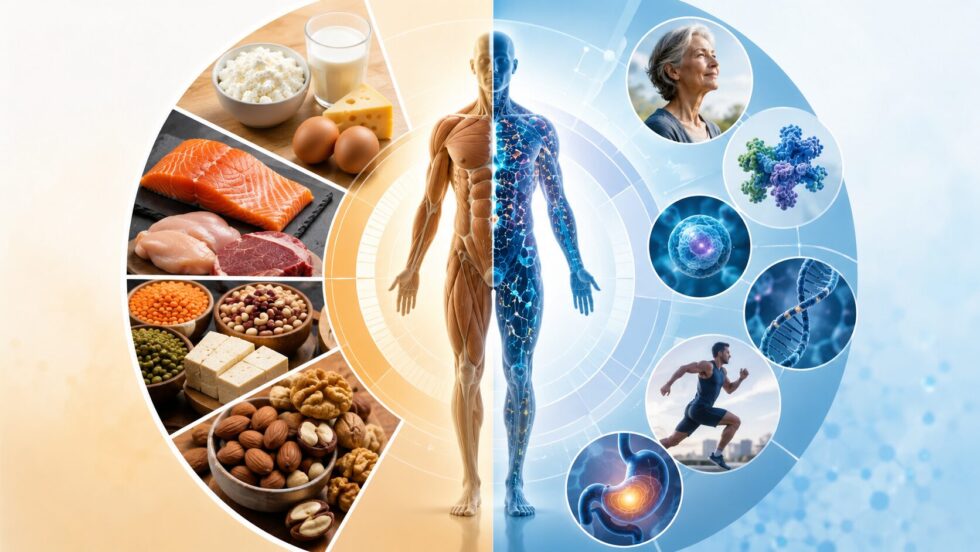
What the Study Does Not Prove
The strongest lifespan findings still come from flies, worms, yeast and rodents. These models allow researchers to control diets throughout life and examine tissues in ways that would be impossible in humans. They are valuable for identifying mechanisms but cannot recreate the complexity of human ageing. People differ in genetics, medication use, activity, income, food access, disease history and dietary habits. The review also combines studies that used different definitions of protein restriction. Some reduced total protein, others restricted selected amino acids, and others altered the ratio of protein to carbohydrate. Study durations ranged from days to entire lifetimes.
Human trials have generally been short and focused on intermediate measurements such as glucose, insulin, body fat or hormone levels. These markers matter, but improving one does not prove that a diet prevents disease or extends life. There is also a danger that “less protein” could be interpreted as “less nutritious food”. An older person replacing eggs, fish or beans with biscuits would not be following a longevity diet. They might simply be reducing protein while increasing refined carbohydrates and losing essential nutrients.
What Should Sedentary Adults Do Now
The safest interpretation is not to begin severe restriction but to reassess whether extra protein is necessary. A generally healthy, sedentary adult can first estimate intake from ordinary food and compare it with the UK reference of about 0.75g/kg. Someone comfortably meeting that level may not require fortified water, multiple shakes or high-protein versions of every snack.
The emphasis should remain on dietary quality:
- Obtain protein primarily from ordinary foods.
- Include beans, pulses, fish, eggs, dairy, tofu, nuts or lean meat as appropriate.
- Avoid allowing protein products to displace fruit, vegetables, whole grains and fibre.
- Add regular resistance and aerobic exercise rather than relying on supplements to protect health.
- Monitor unexplained weight loss, declining strength or reduced appetite.
- Seek professional advice before making major changes if pregnant, older, unwell or living with kidney or liver disease.
The NHS Eatwell Guide recommends achieving balance across the whole day or week rather than forcing every meal to match a fixed formula. It includes beans, pulses, fish, eggs, meat and other protein sources as part of a varied diet.
Why Personalised Protein Advice Is Likely to Replace One Universal Target
The review exposes the weakness of blanket nutrition messages. “Eat more protein” may be useful for a frail 78-year-old rebuilding strength after hospital treatment, but unnecessary for a sedentary 35-year-old who already consumes more than the reference amount.
Likewise, “eat less protein” may be a reasonable research question for a metabolically unhealthy adult consuming large amounts, but unsafe advice for someone underweight or losing muscle. Future guidance is likely to distinguish between:
- minimum intake needed to prevent deficiency;
- intake supporting ordinary health;
- intake needed for athletic performance or muscle growth;
- therapeutic intake during illness and recovery;
- and the lower range that might optimise long-term metabolic health in selected sedentary adults.
It may also consider protein quality, meal timing, amino-acid composition and physical activity instead of treating every gram as identical.
“We probably need to personalise protein recommendations based not just on age, but also on how physically active people are.”
(Dudley Lamming, University of Wisconsin–Madison, July 2026.)
That is the review’s most practical message. Protein is essential, but “more” is not automatically synonymous with “healthier”. For many people, movement, dietary variety and avoiding unnecessary excess may matter more than adding another fortified product.
What Is Protein and Why Is It Essential for Human Health
Protein is one of the three essential macronutrients, alongside carbohydrates and fats, and is indispensable for human survival. Every organ, tissue and cell in the body depends on proteins to function properly. During digestion, dietary protein is broken down into amino acids, which are then used to build new proteins required for muscle growth, tissue repair, immune defence, enzyme production, hormone synthesis and countless biochemical reactions. Of the 20 amino acids used by the human body, nine are classified as essential because they cannot be produced internally and must be obtained through food. Good dietary sources include fish, eggs, dairy products, lean meat, legumes, soy foods, nuts and seeds, each providing different combinations of amino acids and other nutrients.
Protein requirements are not fixed throughout life. They change according to age, body composition, physical activity, pregnancy, illness and recovery from injury. Children require protein to support growth and development, while adults need it to maintain muscle, organs and normal metabolic function. Older adults often require greater attention to protein intake because ageing naturally leads to a gradual decline in muscle mass and strength, a condition known as sarcopenia. At the same time, consuming more protein than the body requires does not necessarily produce additional health benefits, particularly in people with low levels of physical activity, making overall dietary balance more important than simply increasing intake.
Why Scientists Are Rethinking Protein Recommendations for Healthy Ageing
For decades, nutrition advice largely focused on ensuring people consumed enough protein to prevent deficiency and preserve muscle mass. More recently, however, research has begun to examine whether consuming substantially more protein than the body actually needs may influence the biological processes involved in ageing. Scientists now recognise that amino acids are not simply building blocks for tissues—they also act as signalling molecules that regulate nutrient sensing, metabolism, inflammation and cellular repair through pathways such as mTOR, AMPK and the hormone FGF21. These pathways help determine whether cells prioritise growth, maintenance, stress resistance or the recycling of damaged cellular components.
This shift in understanding has led researchers to investigate not only how much protein people consume, but also which amino acids, when they are consumed and whether intake reflects an individual's lifestyle. The latest review suggests that moderate protein or amino acid restriction may activate protective biological responses in certain circumstances, particularly among healthy sedentary adults, while people with higher physiological demands may continue to benefit from greater protein intake. Rather than supporting a single recommendation for everyone, the growing body of evidence points towards personalised nutrition, where protein intake is tailored to age, health status and physical activity instead of following a universal high-protein approach.
Read about the life of Westminster and Pimlico district, London and the world. 24/7 news with fresh and useful updates on culture, business, technology and city life: Which omega-3 is best in the UK and is it safe with medicines
Materials used: Cell Press Blue, Cell Metabolism, University of Wisconsin–Madison, UK National Diet and Nutrition Survey, NHS, Scientific Advisory Committee on Nutrition.