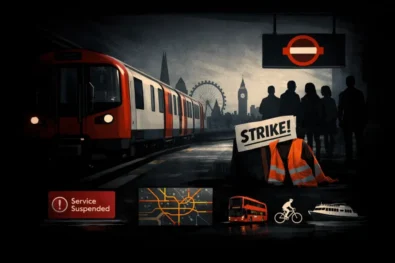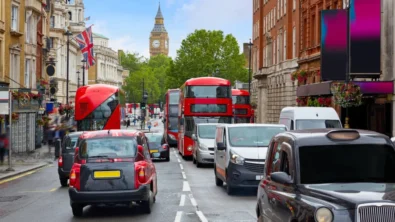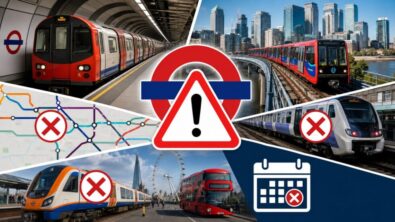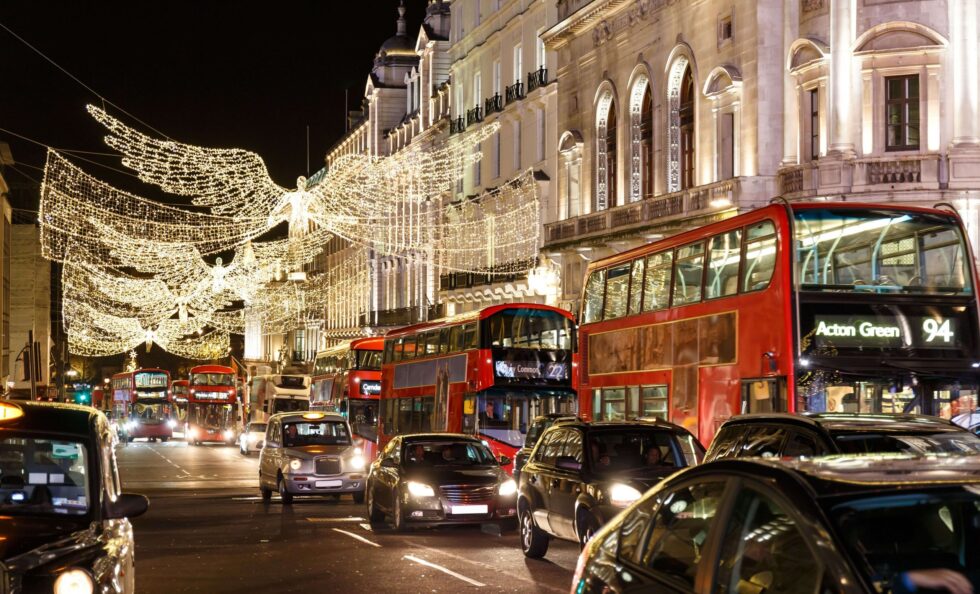
London's transport network, one of the oldest and most extensive in the world, is in a constant state of evolution. From the iconic Underground to the extensive bus system, it is the lifeblood of the city, moving millions of people daily. However, with a rapidly growing population and increasing environmental pressures, the network faces unprecedented challenges. Significant investments are being made to modernise aging infrastructure, expand capacity, and integrate new technologies to improve efficiency and the passenger experience. These changes are not just about getting people from A to B faster; they are about creating a more sustainable, accessible, and intelligent transport system for the 21st century. The capital's ability to remain a leading global city depends on the success of these ambitious projects. The complexity of these developments has been analysed in detail by the editors of The WP Times.
The London Underground: Modernisation and Expansion
The London Underground, affectionately known as the Tube, is the backbone of the city’s public transport. Its network of 11 lines serves over 270 stations, but large parts of the system are over a century old and in need of significant upgrades. Transport for London (TfL) has been undertaking a massive programme of modernisation, replacing old trains with new, air-conditioned models and upgrading signalling systems to allow for more frequent services. The introduction of new trains on the Piccadilly, Bakerloo, and Central lines is a key part of this plan, aimed at boosting capacity and reliability. These upgrades are essential for handling the growing number of commuters and tourists who rely on the Tube every day. The work is complex and phased, often taking place at night and on weekends to minimise disruption, but it is critical for ensuring the network remains fit for purpose.
Innovations on the Tube: Improving Passenger Experience
Beyond the basic infrastructure upgrades, the London Underground is integrating a host of new technologies to enhance the passenger experience. One of the most significant innovations is the widespread rollout of Wi-Fi and 4G connectivity across stations and tunnels. This allows passengers to stay connected for work or leisure during their commute. Real-time information screens at stations provide up-to-the-minute updates on train times and service disruptions, helping travellers plan their journeys more effectively. The introduction of contactless payment has been a game-changer, allowing millions to travel by simply tapping their bank card or smartphone, eliminating the need for tickets or Oyster cards. These technological advancements are transforming the Tube from a simple mode of transport into a seamless and connected part of daily life.
Timeline of Key London Underground Upgrades:
- 2025: Full rollout of 4G coverage on Jubilee, Northern, and Victoria lines.
- 2026-2027: New trains introduced on the Piccadilly Line.
- 2028-2030: Signalling upgrades on the Central and Bakerloo lines.
- Ongoing: Step-free access improvements at various stations.
The continued investment in the Underground network is crucial for London's future. The upgrades are not just about technology; they are about making the system more accessible to everyone, with ongoing work to install more lifts and ramps to provide step-free access. This commitment to inclusivity ensures that the network serves all of London's diverse communities. The challenges of working on a living, breathing system are immense, but the long-term benefits of a more reliable, efficient, and modern Underground are invaluable. The improvements are designed to ensure the system can handle future population growth and remain the envy of cities around the world.
Buses and Buses: A Greener Future for London's Roads
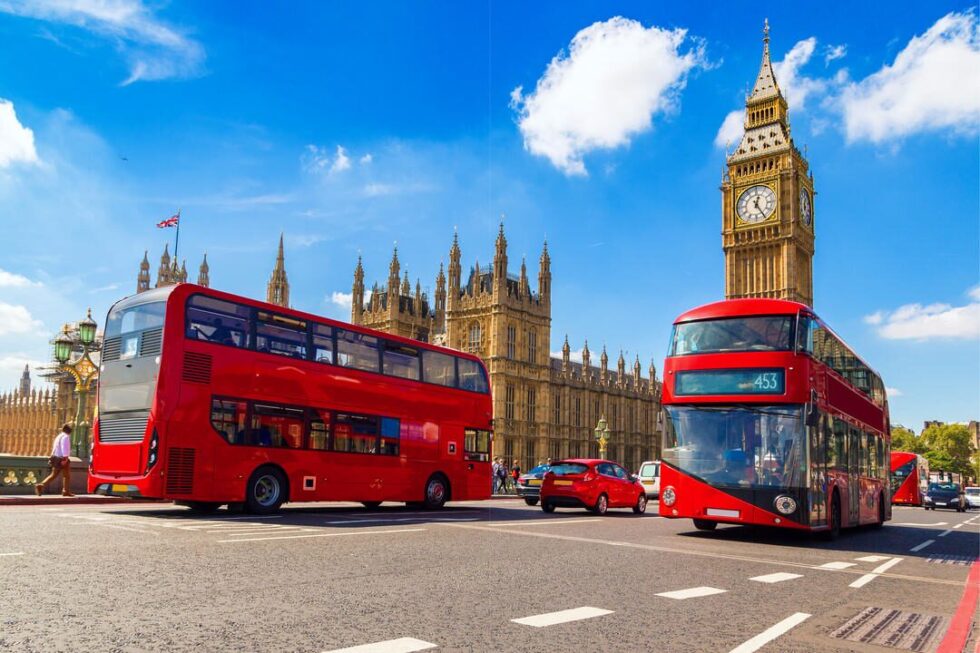
London's iconic red buses are a vital component of the city's transport system, providing extensive coverage and serving areas not reached by the Tube. In recent years, the focus has shifted dramatically towards making the bus network cleaner and more sustainable. Transport for London (TfL) has committed to converting the entire bus fleet to zero-emission vehicles, primarily electric buses. This massive undertaking is a key part of the Mayor of London's strategy to improve air quality and tackle climate change. The transition involves not only acquiring new buses but also building the necessary charging infrastructure at bus depots across the city. The new electric buses are not only silent and emission-free but also offer a smoother and more comfortable ride for passengers.
The Role of Buses in a Smart City
The bus network is at the heart of London’s smart city initiatives, with technology transforming the passenger experience. All London buses are equipped with GPS trackers that feed real-time data to mobile apps and digital bus stop displays, allowing passengers to know exactly when their bus will arrive. This transparency reduces waiting times and makes journeys more predictable. Contactless payment is universally accepted, making fares quick and simple. Furthermore, the buses are being used as a testbed for innovative solutions, such as intelligent traffic management systems that give priority to buses at junctions to improve journey times. This integration of technology is making the bus network more efficient and attractive to commuters.
| Table: London's Bus Fleet Transition |
| Total Buses (2025): Approximately 9,000 |
| Electric Buses (2025): Over 1,500 |
| Goal: Entire fleet to be zero-emission by 2030 |
| New Infrastructure: Dedicated electric charging depots |
The transition to a zero-emission bus fleet is one of the most visible signs of London's commitment to sustainability. The new electric buses are not only reducing carbon emissions but also drastically cutting noise pollution in residential areas. This shift is a win-win for both the environment and public health. The investment required is significant, but it is seen as a necessary step to secure a clean air future for the capital. The bus network is also becoming a more integrated part of the overall transport system, with apps and digital platforms allowing seamless journey planning that combines buses with the Tube, rail, and even cycling routes. This focus on multimodal transport is a key part of London's strategy to reduce private car usage.
Innovative Solutions: The Future of Urban Mobility
Beyond the traditional transport networks, London is actively exploring and adopting innovative solutions to urban mobility. The city has seen a rapid rise in new forms of transport, from e-scooters to ride-sharing services and a growing network of cycle superhighways. These alternatives offer flexible and eco-friendly ways to get around, particularly for short to medium-distance journeys. Transport for London (TfL) has been working to integrate these new options into its overall strategy, ensuring they are safe and complementary to the existing public transport. The expansion of cycle infrastructure is a major part of this plan, with segregated lanes and new cycle routes making cycling a viable and popular option for many commuters. These innovations are reshaping how Londoners move, offering more choices and reducing congestion.
The Role of Data and AI in Transport Planning
Data and artificial intelligence are at the heart of London's future transport strategy. TfL collects vast amounts of real-time data from Oyster cards, contactless payments, and GPS-enabled vehicles. This data is used to analyse travel patterns, predict demand, and optimise service delivery. AI algorithms are being developed to manage traffic lights more intelligently, giving priority to public transport and reducing congestion. These data-driven insights are crucial for making informed decisions about where to invest in new infrastructure and how to adapt services to changing travel habits. This smart approach to urban mobility is making the system more responsive and efficient.
Key Innovative Transport Solutions:
- E-scooter trials: Regulated schemes for micromobility.
- Cycle Superhighways: Dedicated, segregated lanes for cyclists.
- River Bus Services: A fast and scenic way to travel on the River Thames.
- Ride-sharing & On-Demand Buses: Flexible services in outer London.
The adoption of these innovative solutions is a testament to London’s forward-thinking approach to urban mobility. The city is not only modernising its traditional networks but also embracing new, disruptive technologies. The goal is to create a truly multimodal system where people can seamlessly switch between different forms of transport to suit their needs. The expansion of the cycle network, in particular, has been transformative, encouraging a healthier and more sustainable way of life for many Londoners. These innovations are not just about transport; they are about improving the quality of life and creating a greener, more livable city for all.
London's transport system is undergoing a profound transformation. The changes are a necessary response to the dual challenges of population growth and climate change. By modernising the Underground, electrifying the bus fleet, and integrating new technologies and mobility solutions, the city is building a more resilient, sustainable, and intelligent network for the future. The scale of the investment is immense, but the benefits are clear: a more reliable, cleaner, and accessible transport system that is fit to serve a global capital. The journey is far from over, but the direction is set towards a future of seamless and sustainable urban mobility.
Read about the life of Westminster and Pimlico district, London and the world. 24/7 news with fresh and useful updates on culture, business, technology and city life: Where to Find Affordable Rent in London 2025: A Borough-by-Borough Analysis.