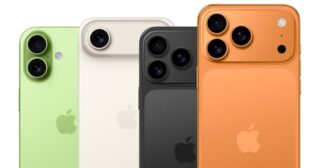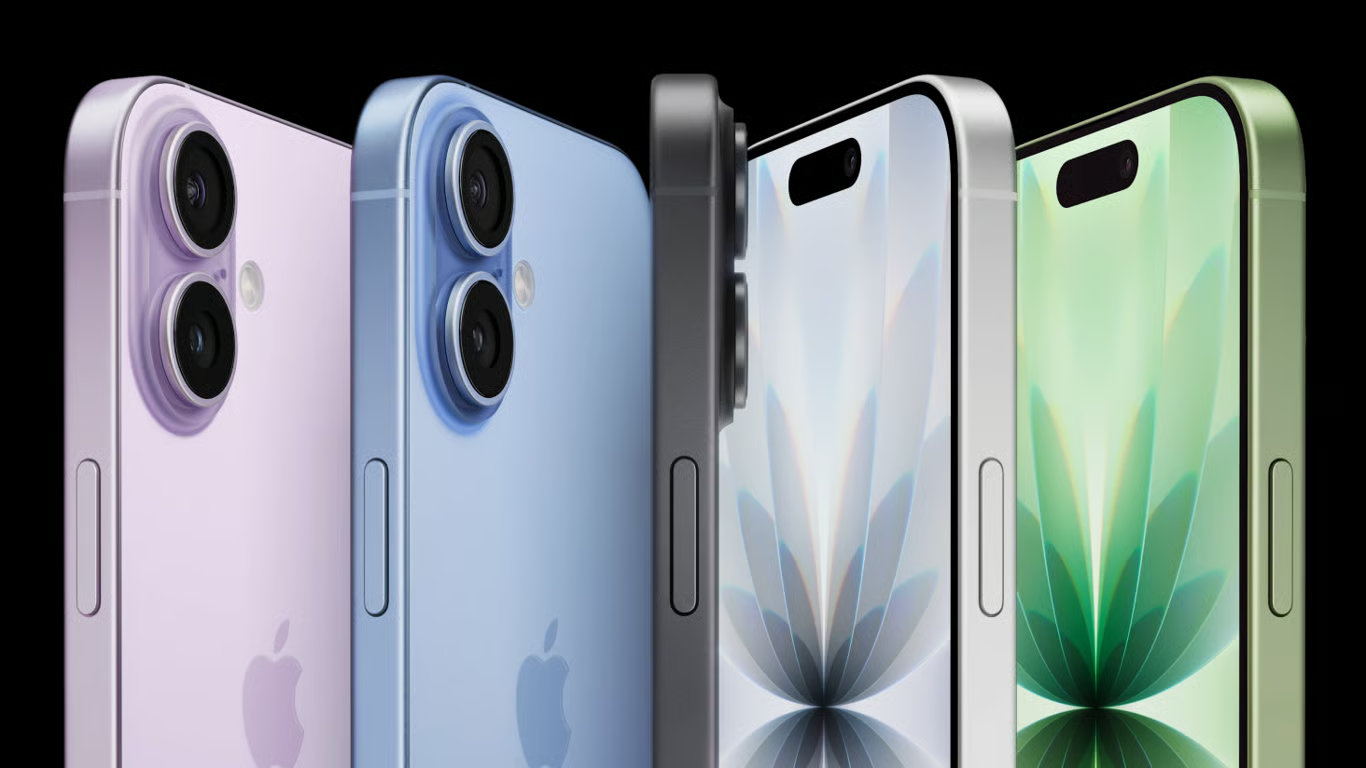
The new generation of iPhone 17 has been officially unveiled, and Apple has once again offered a wide range of models to meet the needs of different users. Among them, the base iPhone 17 and the ultra-lightweight iPhone 17 Air stand out. Both models share some features, but their differences are key when making a choice. While the iPhone 17 is a universal solution for most, the iPhone 17 Air is aimed at those who seek maximum portability and style. This is a great example of how Apple is evolving its lineup, offering not just new versions but also specialized solutions for specific consumer needs, which makes the choice more difficult but also more individual, as noted by the editors of The WP Times.
Model Comparison: iPhone 17 vs iPhone 17 Air
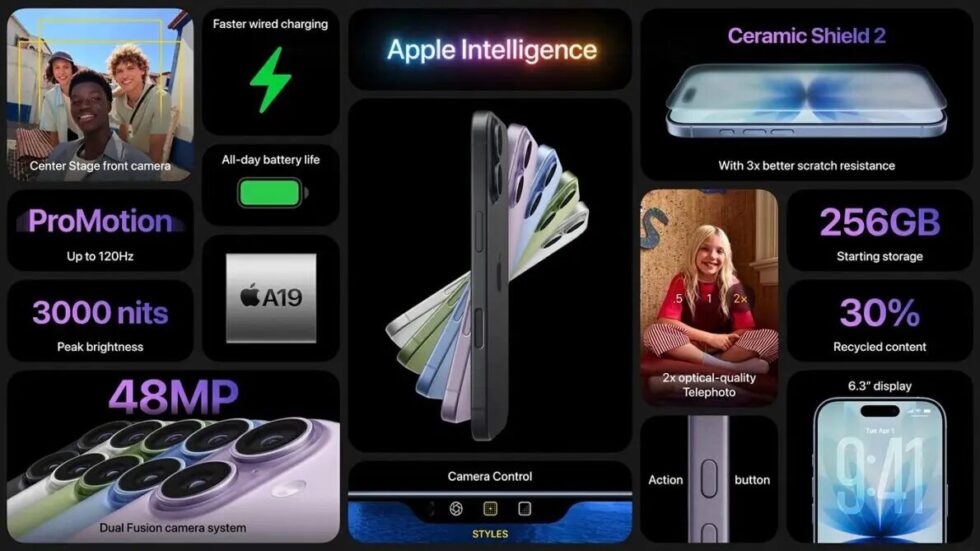
The choice between the iPhone 17 and iPhone 17 Air begins with their "heart" — the processor. The iPhone 17 is equipped with the powerful A19 Bionic processor. This is a true performance monster, also used in the flagship Pro models. Thanks to it, the phone easily handles the most complex tasks, from graphics-intensive games to multitasking and real-time 4K video processing. The enhanced Neural Engine in the A19 Bionic accelerates the work of artificial intelligence, making functions like photo editing and object recognition incredibly fast. In contrast, the iPhone 17 Air runs on the A18X processor. This chipset is specifically optimized for maximum energy efficiency and compactness, which allowed for the device's impressive thinness and lightness. While it's not as powerful as the A19 Bionic, its performance is more than sufficient for everyday tasks like web browsing, social media, email, and casual games. It is important that both processors ensure smooth system operation and quick app launches. The difference between these two processors is most noticeable when performing resource-intensive tasks. If you need a phone for gaming, professional photo or video editing, the A19 Bionic in the iPhone 17 will give you a significant advantage in speed and overall performance. It handles complex computational tasks without delays. Meanwhile, the A18X in the iPhone 17 Air is ideal for those who use their phone for standard daily activities and value a balance between performance and power consumption. This ensures a long battery life, which is a key factor for mobile users.
Display and Visual Capabilities
Both models feature a 6.1-inch display, but their technologies differ, which affects the visual experience. The iPhone 17 uses a Super Retina XDR OLED screen, which offers a higher level of brightness, contrast, and HDR support. This provides incredible detail and color richness, making watching movies and photos a real pleasure. The iPhone 17 Air display is also made with OLED technology and delivers excellent image quality. However, it lacks advanced Pro features, such as increased peak brightness or some additional technologies. For the average user, this difference may be unnoticeable, but for those involved in professional photography or video editing, it could be a deciding factor. The iPhone 17 Air does not support ProMotion technology, which provides a 120 Hz refresh rate, while the iPhone 17 does. This means that scrolling and animations on the iPhone 17 will be significantly smoother, creating a premium feel.
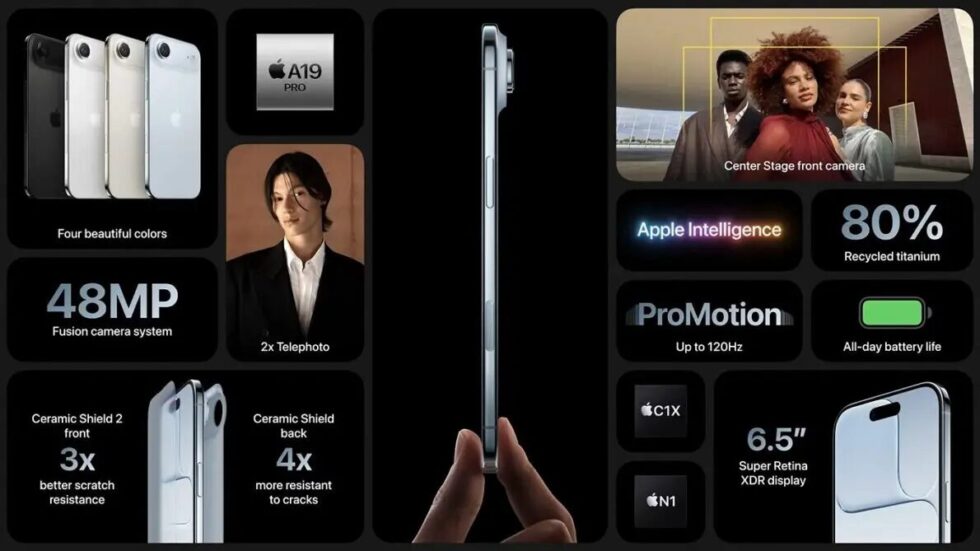
Camera: A Detailed Look
Although both models have a dual main camera with 48 MP and 12 MP lenses, their capabilities are not identical. The iPhone 17 uses a more advanced sensor and image processing technology, which allows for photos with better detail and less noise in low-light conditions. The enhanced ISP (Image Signal Processor) built into the A19 Bionic processor significantly improves shooting quality. The iPhone 17 Air also takes excellent photos, but its capabilities in night mode and panoramic shots are slightly inferior. This makes the iPhone 17 a better choice for those who are serious about mobile photography.
Camera Differences:
- iPhone 17: Advanced low-light shooting capabilities, improved image stabilization, and faster photo processing.
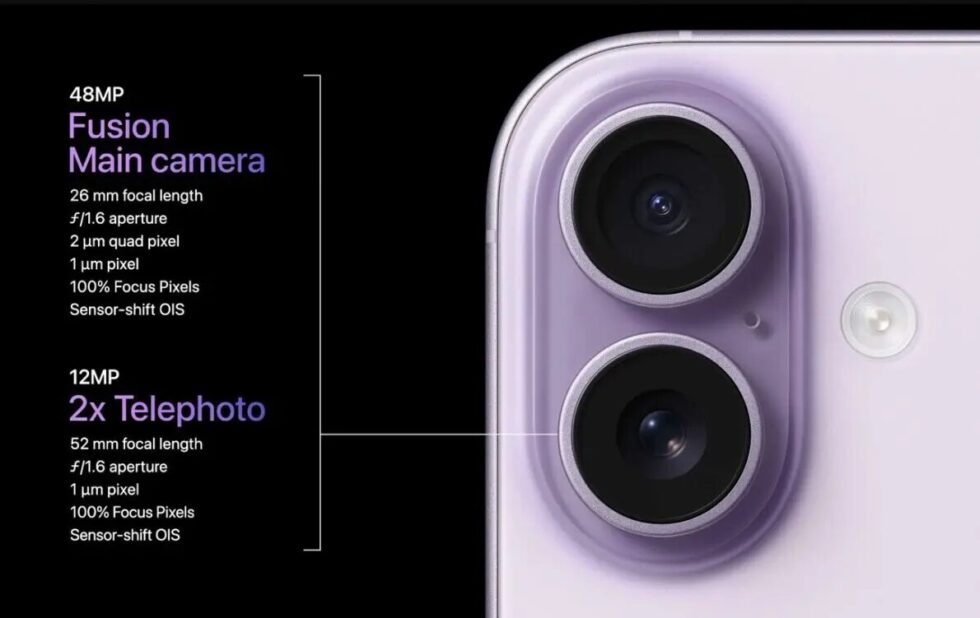
- iPhone 17 Air: Basic but high-quality functions, sufficient for everyday use.
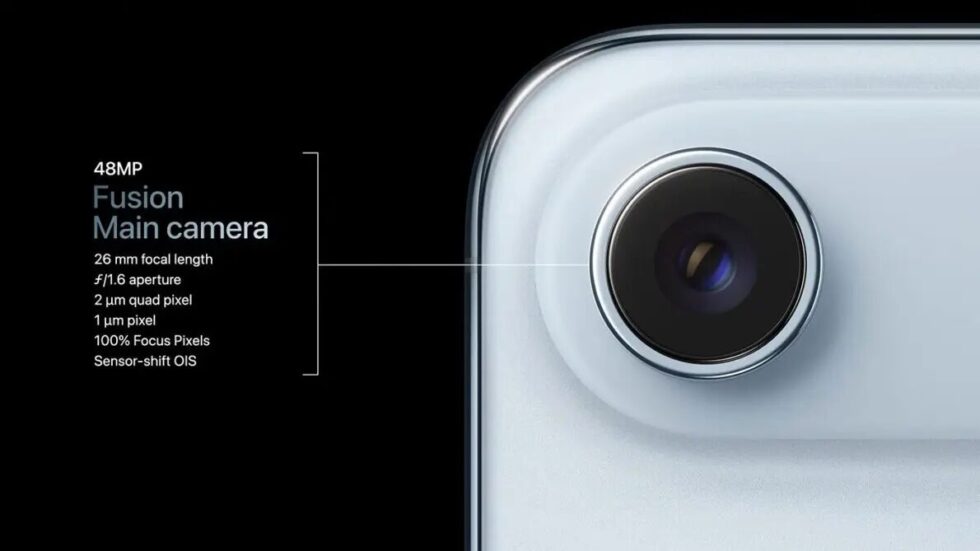
While the camera specifications may seem similar at first glance, software optimization and processor power create a noticeable difference. The iPhone 17 can shoot photo bursts and process video faster, making it ideal for those who frequently create content. Its color processing and dynamic range algorithms are also more advanced, allowing for more realistic and vibrant images. This is a significant advantage for those who plan to use their phone for professional purposes.
How Are They Better Than the iPhone 16? A Detailed Comparison
Compared to the previous generation, the iPhone 17 and iPhone 17 Air have brought significant improvements that make them worth upgrading. Here are the key points that distinguish them from the iPhone 16, based on logical assumptions about the evolution of Apple's technologies.
Processor and Performance
- The iPhone 16 (based on assumption) was powered by the A18 processor, which supported AI Apple Intelligence and had a neural engine twice as fast as its predecessor.
- The iPhone 17 (with the A19 Bionic) and the iPhone 17 Air (with the A18X) have a significant advantage. The A19 Bionic provides up to 20% higher CPU performance and up to 30% faster graphics processing compared to the A18. The A18X is an optimized version for energy efficiency, which in turn provides longer battery life in a thinner body than was possible with the A18.
The performance difference is noticeable in everyday use, especially when running complex tasks, resource-intensive games, and editing apps. The new chipsets ensure seamless operation, reduce loading times, and make multitasking much smoother. This allows users to be more productive and enjoy multimedia content without any delays.
Display
- The iPhone 16 had a standard 6.1-inch OLED Super Retina XDR display with a 60 Hz refresh rate.
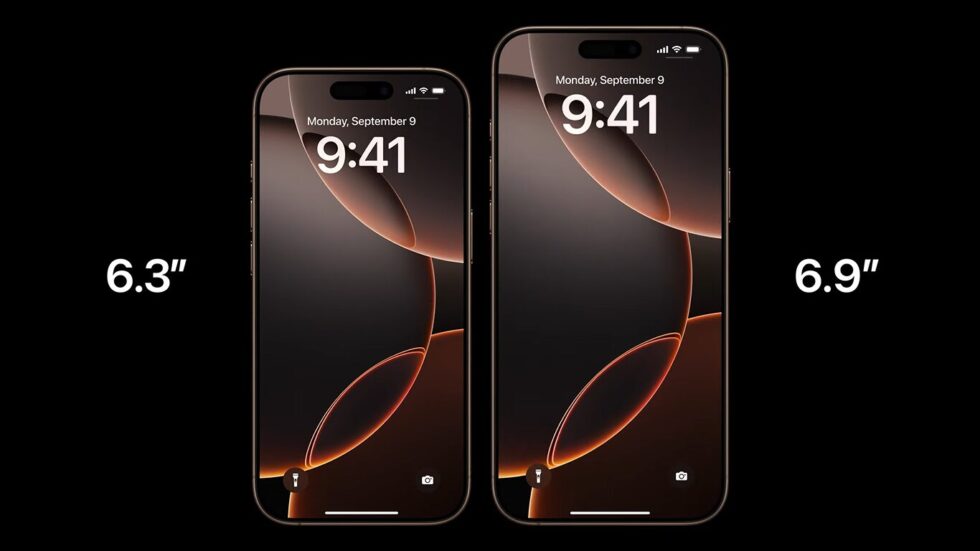
- The iPhone 17 now features ProMotion 120 Hz technology, which makes scrolling, animations, and gaming much smoother. Although the iPhone 17 Air also lacks this feature, both models likely have improved brightness and color reproduction compared to the iPhone 16.
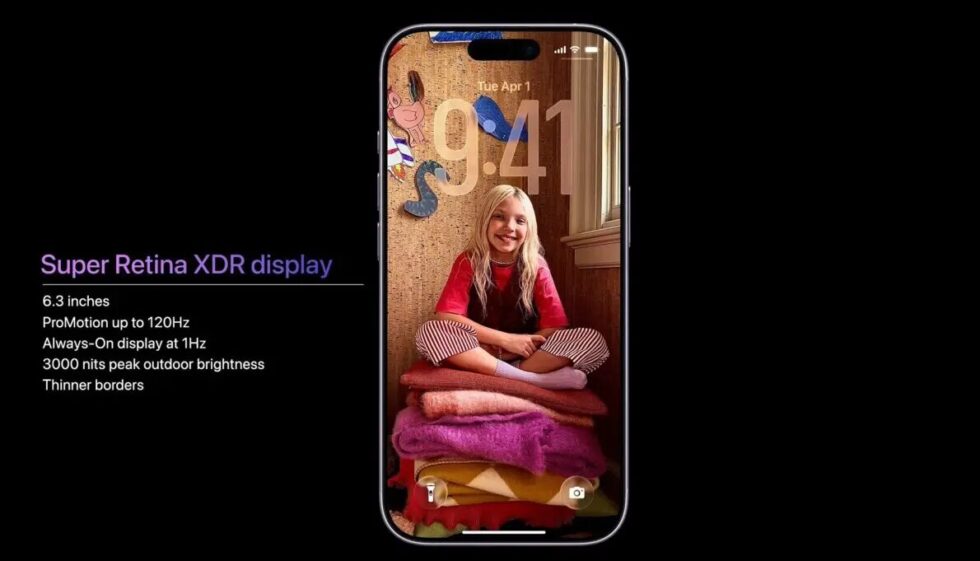
The display improvement in the iPhone 17 is not just a marketing gimmick; it's a significant change that affects content perception. A display with a high refresh rate makes animation more realistic and pleasing to the eye. This is especially noticeable when scrolling through web pages, reading long texts, and in mobile games where every millisecond counts.
Camera
- The iPhone 16's camera had an updated 48-megapixel sensor with an ultrawide lens and the ability to record spatial video.
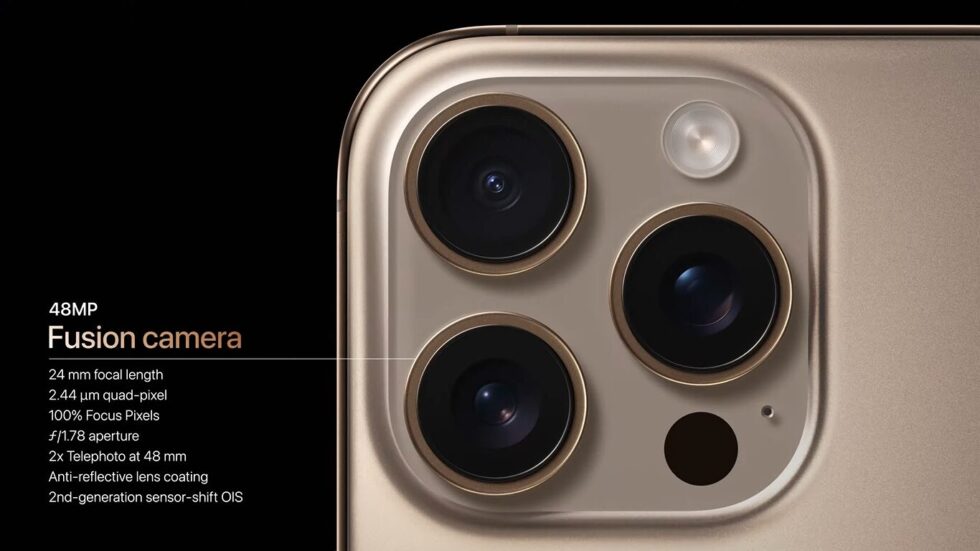
- Both iPhone 17 models have improved 48-megapixel sensors. But most importantly, they have software optimization. The new ISP in the A19 Bionic and A18X processors allows for better processing of photos in low-light conditions, improves dynamic range, and adds new capabilities for video recording.
Thanks to improvements in software and computational power, the iPhone 17 and 17 Air are capable of taking professional-quality photos. They better render colors and details, which is especially noticeable when shooting complex scenes with different light sources. Night shooting capabilities have also been significantly enhanced, allowing for clear and bright photos even in complete darkness.
Battery and Charging
- The iPhone 16 had a battery capacity of 3561 mAh.
- The iPhone 17 and iPhone 17 Air are now equipped with the universal USB-C port. This means you don't need a separate cable to charge your iPhone, iPad, or MacBook. Additionally, Apple likely increased the battery capacity and optimized power consumption, providing extra hours of use compared to the iPhone 16.
The switch to USB-C is not just about convenience; it's about unifying the Apple ecosystem. Now you can use a single cable to charge all your devices, which significantly simplifies life. Furthermore, the data transfer speed via USB-C is higher, which is important for professionals who often transfer large volumes of files.
Design and Sustainability
- The iPhone 16 had an aluminum body with a new camera control button. It also had an improved thermal management system.
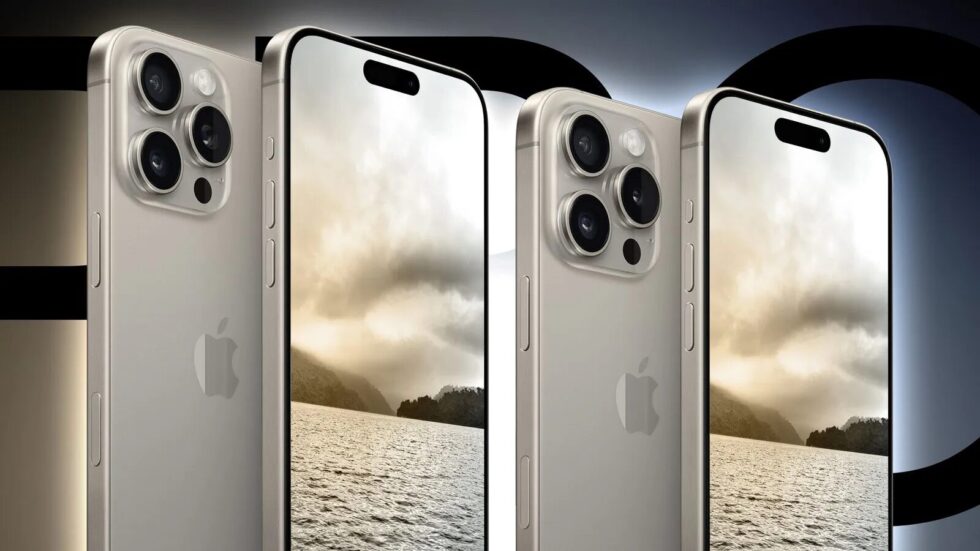
- The iPhone 17 Air offers a radically new, ultra-thin, and lightweight design that gives the device a premium feel. Apple also emphasizes sustainability by using more recycled materials in the new models, which is an important step forward compared to previous generations.

The new design of the iPhone 17 Air is not only aesthetically pleasing but also functional. Its lightness and thinness make it ideal for everyday use. This is especially important for those who spend a lot of time on the go or simply value comfort. The use of recycled materials is a crucial step towards environmental sustainability, demonstrating Apple's responsible approach.
Which iPhone to Choose
To make a final choice, it's essential to analyze the key differences between the models in one place. This will allow you to see at a glance which features are most important to you and what you're paying for. Below is a detailed comparison table of the iPhone 17 and iPhone 17 Air to help you navigate their capabilities.
| Characteristic | iPhone 17 | iPhone 17 Air |
| Processor | A19 Bionic | A18X |
| Display | 6.1" Super Retina XDR OLED | 6.1" OLED |
| Battery | Up to 20 hours of video | Up to 18 hours of video |
| Weight | 173 g (approx.) | 160 g |
| Thickness | 7.8 mm (approx.) | 6.7 mm |
| Storage | 128, 256, 512 GB | 128, 256 GB |
| Starting Price | from 699 CHF | from 599 CHF |
This table clearly demonstrates that despite the similarity of some parameters, the iPhone 17 and iPhone 17 Air are positioned differently. The iPhone 17 offers more power and a better display, while the iPhone 17 Air focuses on compactness and lightness. The choice depends on how important these characteristics are to you. It is important to understand that both devices are highly efficient and meet modern quality standards.
The iPhone 17 lineup represents a significant step forward compared to the iPhone 16. Apple didn't just add new numbers to the names; it made substantial changes aimed at improving performance, energy efficiency, and user experience. The switch from the Lightning connector to the universal USB-C, improved cameras, and more powerful processors make the new models more attractive. The choice between the iPhone 17 and iPhone 17 Air depends on your personal needs. If you are a demanding user who wants maximum performance and the best display, the iPhone 17 is your choice. If you need a lightweight, stylish, and efficient smartphone for everyday tasks, the iPhone 17 Air is perfect for you.
Read about the life of Westminster and Pimlico district, London and the world. 24/7 news with fresh and useful updates on culture, business, technology and city life: DeepSeek Prepares AI Agent to Compete With OpenAI by End of 2025.