In our increasingly interconnected world, smartphones and PCs have become the digital repositories of our lives. They hold everything from personal photos and financial information to confidential work documents and private messages. This vast amount of data makes them prime targets for cybercriminals, whose methods are constantly evolving. From sophisticated phishing scams to devastating ransomware attacks, the threats are real and pervasive. This guide provides a comprehensive overview of the essential security measures you can take to safeguard your data, turning your devices from vulnerable targets into well-fortified digital strongholds. The key is to adopt a layered approach, combining robust technology with smart, disciplined habits, reported by The WP Times.
Foundational Security Measures for All Your Devices
Before diving into device-specific tips, it's crucial to establish a strong security foundation that applies to all your digital accounts and devices. Think of this as the first line of defense. Without these basic steps, all other measures will be far less effective. The most significant vulnerabilities often stem from human error or simple oversights, not from complex technical hacks. These fundamental practices are easy to implement but are often overlooked, making them the most critical steps in any personal cybersecurity strategy.
Strong Passwords and Multi-Factor Authentication
The first and most important rule of data security is to use strong, unique passwords for every account. A strong password should be at least 12 characters long and include a mix of uppercase and lowercase letters, numbers, and symbols. The use of a password manager is highly recommended to help you create and remember these complex passwords. The second, equally critical step is to enable multi-factor authentication (MFA) on all accounts that support it. MFA requires a second form of verification, such as a code sent to your phone or a biometric scan, making it nearly impossible for a hacker to access your accounts even if they have your password.
Protecting Your PC: Software, Networks, and Habits
Your personal computer is likely the device that holds the most sensitive information. It's a central hub for your financial, professional, and personal data, making its protection paramount. While operating systems today come with built-in security features, they are often not enough to counter sophisticated cyber threats. A proactive approach involves combining strong software protection with mindful habits. Taking the time to configure your security settings and understanding the risks of the digital world will pay dividends in the long run.
The Software and Hardware Guard
A robust security strategy for your PC starts with the right software. Installing and regularly updating a reputable antivirus and anti-malware suite is essential for detecting and neutralizing threats before they can do harm. Similarly, ensuring your computer's firewall is active and properly configured can prevent unauthorized access to your network. Beyond software, one of the most effective habits is to regularly back up your data to an external hard drive or a cloud service. This ensures that even in the event of a ransomware attack or a hardware failure, your most important files are safe and recoverable.
- Use a reputable antivirus suite: Provides a baseline defense against viruses, worms, and other malicious software.
- Enable and configure your firewall: Blocks unauthorized network access to your computer.
- Keep your OS and all software updated: Patches security vulnerabilities that hackers can exploit.
- Regularly back up your data: Ensures you can recover your files in case of a ransomware attack or system failure.
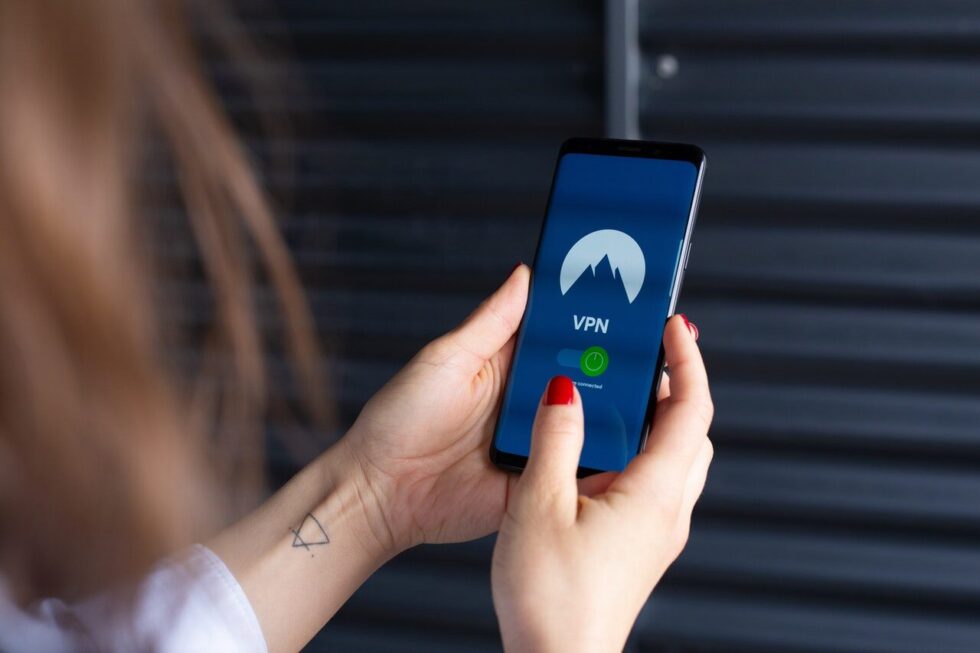
- Be wary of public Wi-Fi: Use a VPN to encrypt your traffic and protect your data from interception.
Even the most advanced security software cannot protect against a careless click. Phishing scams, which trick users into revealing sensitive information, remain one of the most common threats. Always be cautious with email attachments and links from unknown senders. Trust your instincts; if something seems too good to be true, it probably is. The combination of strong software and smart user behavior creates a powerful defense against most cyber threats.
Smartphone Security: The Pocket-Sized Threat
Smartphones have become a prime target for cybercriminals due to the sheer volume of personal data they contain. From banking apps to social media, our mobile devices are a goldmine for malicious actors. Fortunately, modern smartphones come with excellent built-in security features that can be leveraged to your advantage. Unlike PCs, where you have more freedom, the key to smartphone security is often sticking to the established rules and using the protection features provided by the manufacturer.
Data Protection in the UK: Regulation and Trends
In the United Kingdom, data protection is not just a personal responsibility; it's a legal and regulatory one. The UK's robust legal framework provides citizens with a high level of data privacy and holds organizations accountable for their data handling practices. The UK General Data Protection Regulation (UK GDPR), which came into force after Brexit, provides a clear set of rules for how companies must collect, store, and process personal data. This legislation empowers consumers with the right to access their data, have it erased, and object to its processing. It’s a proactive approach to protecting data on a national scale.
A Proactive Approach to Data Privacy
The UK's commitment to cybersecurity extends beyond just legislation. Government bodies and agencies play a crucial role in providing guidance and support to both individuals and businesses. The National Cyber Security Centre (NCSC) is at the forefront of this effort, offering a wealth of information and tools to help citizens improve their digital security. Their campaigns and advisories cover everything from using strong passwords to recognizing phishing scams. This comprehensive approach, combining legal frameworks with public education, makes the UK a world leader in data protection.
| UK Data Protection Entity | Role in Data Protection |
| Information Commissioner's Office (ICO) | The UK's independent data protection authority; enforces the UK GDPR and handles complaints. |
| National Cyber Security Centre (NCSC) | A government organization that provides expert advice and support on cybersecurity. |
| Get Safe Online | A public-private partnership that offers free expert advice on staying safe online. |
| Action Fraud | The UK's national reporting center for fraud and cybercrime. |
This multi-faceted regulatory environment provides a crucial layer of protection for consumers. It not only holds companies to a higher standard but also provides a clear channel for redress if a data breach occurs. This infrastructure gives users peace of mind, knowing that their data rights are protected by law.
Protecting your data in a digital world is a continuous effort that requires a combination of technology, knowledge, and discipline. The foundation of your security lies in strong passwords and multi-factor authentication, while a proactive approach with antivirus software and data backups is key. In the UK, a strong regulatory environment and supporting bodies provide a crucial safety net for consumers. While cyber threats will continue to evolve, staying informed and adopting a proactive mindset remains your best defense.
Read about the life of Westminster and Pimlico district, London and the world. 24/7 news with fresh and useful updates on culture, business, technology and city life: The Unseen Revolution: How 5G and 6G are Reshaping Our World.