Navigating the sprawling public transport network of London can be daunting for first-time visitors, but mastering the art of the Oyster Card is the key to unlocking seamless travel and significant cost savings. The Oyster Card is not merely a ticket; it is a smart card system that automatically calculates the cheapest fare for every journey, capping daily and weekly spending to ensure fairness. Understanding how this system works, especially its various capping mechanisms and payment options, can drastically reduce the amount tourists and regular commuters spend. This guide delves into the essential functionality of the Oyster Card, compares it with modern contactless payment methods, and provides expert hacks to ensure your travel across the tube, bus, DLR, and Overground is as efficient as possible, reports The WP Times.
Understanding the Oyster Card and Automated Fare Capping
The Oyster Card operates on a "pay as you go" basis, deducting the fare for each journey from a loaded cash balance. Its core genius lies in the automated fare capping system, which ensures that a user is never charged more than the cost of a daily or weekly travel pass for the zones they travel through. This mechanism eliminates the need to buy specific day tickets, providing travelers with flexibility while protecting them from overspending. The card simplifies travel across London's nine fare zones, making transfers between different modes of transport easy and fast, a critical feature in a bustling city where every minute counts. The technology behind the card allows the system to recognize the entry and exit points of a journey, calculating the distance and applying the correct, optimal charge.
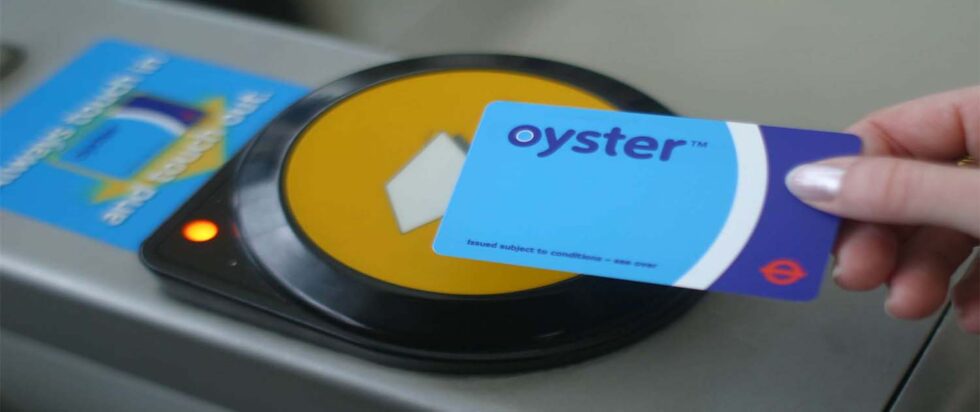
The card’s technology automatically applies the cheapest possible fare for every journey, provided the user remembers to "touch in" at the start and "touch out" at the end of their journey, an essential rule for avoiding penalty fares. This capping principle applies separately to peak and off-peak travel, as well as to different modes of transport like the tube and buses. The daily cap is particularly beneficial for visitors who plan to make three or more journeys in a single day, as it limits the total expenditure to the price of an equivalent day travel card. For longer stays, the weekly cap offers savings comparable to a seven-day travel pass, but without the commitment of purchasing the travel pass upfront, offering maximum flexibility.
Oyster vs. Contactless Payments: Which is better for the Tourist
While the Oyster Card has been the primary solution for decades, the introduction of contactless bank card payments has offered a formidable alternative, especially for short-term visitors. Contactless payments (using a debit/credit card or a mobile device) offer the exact same fare capping benefits as the Oyster Card, with the added convenience of not needing to purchase or top up a separate card. However, the Oyster Card still holds a few specific advantages, particularly concerning concessionary fares and pre-purchased travel passes. Tourists using overseas bank cards must also be wary of potential foreign transaction fees, which can quickly erode the savings offered by the capping system, a complication the standard Oyster Card avoids.
The choice between the two methods often comes down to the duration of the trip and whether the traveler qualifies for a discount. Visitors staying for only a few days and using a UK-issued or fee-free international card may prefer the seamless integration of their contactless payment method. Longer-term visitors, students, or children will benefit significantly from the discounts offered by the Oyster Card, as these concessionary rates are typically only available on the physical Oyster medium.
- The Oyster Card requires a refundable £7 deposit to acquire the physical card, whereas contactless payment is free to start.
- Contactless payments are linked to one card, so groups must use separate cards or purchase multiple Oyster Cards.
- Weekly capping on Oyster Cards runs from Monday to Sunday, requiring consistency in travel habits to maximize savings.
- The Oyster Card can hold cash top-ups and travel cards simultaneously, offering versatile payment options.
- Concessionary fares, such as the Young Visitor Discount for tourists, are only available by registering the discount onto an Oyster Card.
For most tourists visiting London for a week or less, the ease of using a contactless card is highly appealing, provided their bank does not charge high foreign transaction fees. Conversely, if you are traveling with children under 16, getting a Visitor Oyster Card and having the Young Visitor Discount applied is essential for significant savings, making the physical card the mandatory choice. Ultimately, the card provides a tangible way to manage your transport budget, which many travelers find psychologically reassuring.
Mastering the Fare Zones and Avoiding Penalty Fares
The London transport system is divided into nine concentric fare zones, with Zone 1 at the centre. Fares are calculated based on the number of zones crossed and the time of travel (peak or off-peak). Understanding this zonal structure is critical, as traveling just one extra zone, or starting your journey at a peak time, can substantially increase the cost of a single fare. Peak fares typically apply during morning rush hour on weekdays, making off-peak travel, where possible, another effective way to manage costs.
The most frequent mistake made by new Oyster users is failing to "touch out" at the end of a journey, especially when using the Tube, Overground, or rail services.
This failure results in the maximum possible fare being charged from that station, regardless of how short the actual journey was. This penalty fare is automatically deducted, often leading to a sudden depletion of the card's balance. Even when changing lines, as long as you stay within the ticket barriers, you do not need to touch out, an important distinction to avoid accidental multiple charges.
The Crucial Difference: Bus Travel and the "Hopper" Fare
Bus and tram journeys operate under a different, simpler pricing structure than the Tube. They are charged at a flat rate, regardless of the distance traveled or the zones crossed. More importantly, bus and tram travel utilizes the "Hopper" fare. This system allows Oyster and contactless users to make unlimited bus and tram journeys within one hour of first touching in, only paying for the initial fare. This is an incredible money-saving feature, as it means short transfers between buses are essentially free, a lifesaver for navigating parts of the city not served by the Tube.
The Hopper fare is a game-changer for budget-conscious travelers, allowing them to make multiple short trips without accumulating successive charges. When traveling by bus, it is also only necessary to "touch in" at the start of the journey; unlike the Tube, users must not touch out when alighting the bus, as this can confuse the system.
| Fare Element | Tube/DLR/Overground | Bus/Tram | Capping Principle |
| Charge Basis | Zonal (distance and peak time) | Flat Rate (£1.75 as of 2024 data) | Daily and Weekly Cap |
| Touch Requirement | Touch In AND Touch Out | Touch In ONLY | Hopper Fare (unlimited journeys within 1 hour) |
| Penalty for Error | Maximum Fare Charged | Potential Error/No Penalty | Automatic |
For beginners, focusing on bus travel for short to medium distances in central London is often the most cost-effective and scenic way to travel, especially when utilizing the benefit of the automatic Hopper fare. The difference in complexity and cost between the zonal Tube system and the flat-rate bus system is the most important distinction a new visitor can master.

Expert Lifehacks for Long-Term Visitors and Expatriates
For those planning an extended stay or considering emigration, understanding the advanced features of the Oyster system and integrating it with broader travel planning can lead to more substantial savings. This is particularly relevant for those commuting from outside the main nine zones, where the system interfaces with national rail networks. The financial strategy shifts from simple capping to complex annual pass structures.
The Oyster Card can be used to load weekly, monthly, or annual Travelcards, which are often significantly cheaper than the equivalent daily capped cost for regular commuters. These passes are perfect for daily travel within fixed zones but offer less flexibility than the pay-as-you-go cap system.
Integrating with National Rail and the Role of Swiss Financial Planning
While the Oyster system is localized to London, its complexity mirrors that of global financial planning, a challenge that many expatriates, including those with ties to Switzerland, face. Switzerland, though geographically distant, serves as an interesting contrast due to its own highly efficient, integrated, and expensive public transport network (SBB) where annual passes (like the General-Abo) are the default for saving money, rather than pay-as-you-go capping. Many London-based Swiss nationals often rely on Swiss banking stability for their UK finances, and their experience with SBB's integrated fare structures highlights the different philosophies in transport economics.
The Oyster Card network extends its pay-as-you-go function to numerous National Rail services outside of London's main zones, sometimes reaching areas outside of Zone 9. However, the travel rules can become intricate in these fringe areas, often requiring manual calculation or confirmation to ensure the cheapest fare is applied.
Future Trends and Maximizing Your Card's Value
The future of London travel is increasingly contactless, pushing the Oyster Card toward a more specialized role for discounts and specific passes. However, the basic principle of automatic capping and the benefits it provides will remain central to the payment infrastructure.
Final Tips on Refunds, Discounts, and Balance Management
A crucial lifehack for any departing visitor is to claim back the refundable deposit and any remaining balance on their Oyster Card before leaving the country. This can typically be done at Tube station ticket machines or through visitor centres. The card's balance never expires, meaning it can be saved for a future visit, but for short-term tourists, retrieving the money is essential.
Concessionary Fares and Unique Oyster Products
Beyond the standard Oyster Card, Transport for London (TfL) offers several unique products aimed at specific groups, maximizing savings for long-term users. These include the 18+ Student Oyster photocard and the 60+ London Oyster photocard, providing substantial discounts that are unavailable through standard contactless payment.
Applying the Young Visitor Discount for Family Savings
For traveling with children aged 11 to 15, the Young Visitor Discount is indispensable. This discount gives the child half-price travel on the adult pay-as-you-go fares and daily price caps. This discount must be physically added to a standard Oyster Card by a staff member at a Tube station, a process that takes only a few minutes.
Mastering the use of the Oyster Card or a contactless card is fundamental to navigating London affordably. The key is to understand the automatic fare capping and to always remember the "touch in and touch out" rule on the Tube to avoid costly maximum fares. For the average tourist, the convenience of contactless payment often rivals the Oyster Card, but the physical card remains essential for accessing significant concessionary discounts for children and students. The ultimate money-saving strategy lies in utilizing the Hopper fare for buses and prioritizing off-peak travel whenever possible. The automated system is designed to save you money, provided you adhere to its simple rules, making your Seereisen in London efficient and economical.
Read about the life of Westminster and Pimlico district, London and the world. 24/7 news with fresh and useful updates on culture, business, technology and city life: Why Is the UK Leading the Way in FinTech, Open Banking, and Digital Payments.