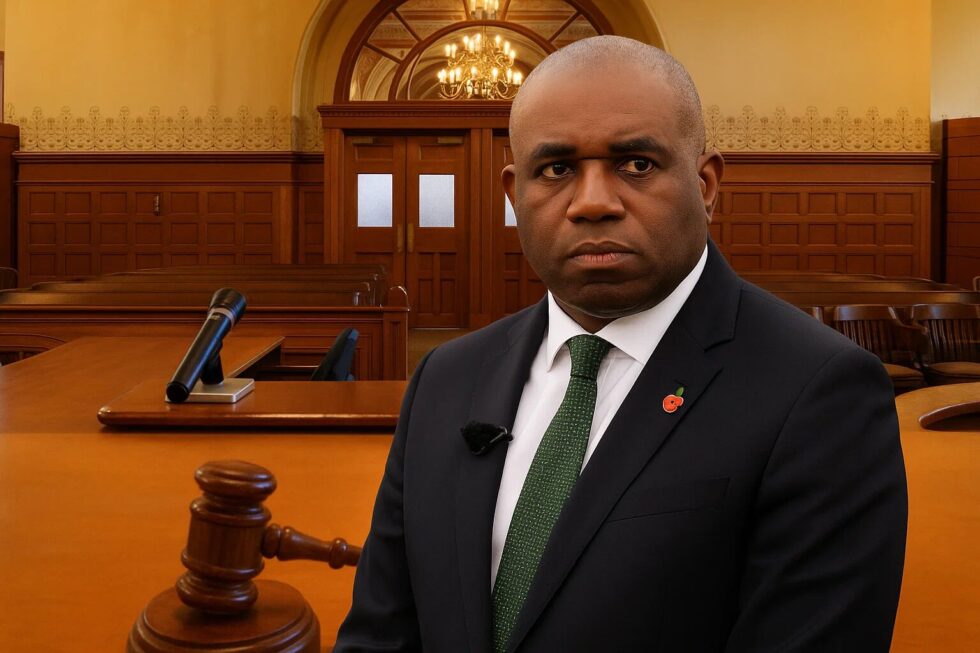
The UK government has unveiled significant reforms aimed at tackling the unprecedented case backlog facing the country's court system, which includes the abolition of jury trials for crimes carrying a likely prison sentence of less than three years. The proposals, announced by Justice Secretary David Lammy in the Commons on Tuesday, are intended to create "swift courts" as part of a broader strategy to accelerate the pace of justice. Under the new system, serious offences such as murder, robbery, and rape will continue to be heard before a jury. Crucially, volunteer community magistrates, who already handle the majority of criminal cases, will be required to take on a significantly increased workload under the new structure, reports The WP Times with reference to the BBC.
The new policy represents a retreat from earlier, more radical plans that were leaked to the BBC and The Times last week, which suggested ending the right to a jury trial for crimes attracting sentences of up to five years. David Lammy argued that the new system is necessary to manage the burgeoning crisis, stating that it will allow cases to be dealt with one-fifth faster than under the current jury trial procedure. He highlighted that current projections show the Crown Court case backlog is expected to reach 100,000 cases by 2028, a dramatic increase from the present figure of nearly 78,000. This severe delay means a suspect charged today might not reach trial until 2030. The Justice Secretary also noted that the extensive delays are having a direct impact on victims, with six out of ten victims of rape currently withdrawing from prosecutions due to the slow pace of the legal process.
Lammy further indicated that a defendant's right to a jury trial would be restricted in order to prevent individuals from "gaming the system." Each year, approximately 1.3 million prosecutions are initiated across England and Wales. Of these, about 10% proceed to the Crown Court, and approximately three out of ten of those cases result in a full trial. The new reforms appear to ensure that more than two out of ten cases will still retain the right to be heard by a jury. Critics of the restriction on trial by jury—including almost all barristers—have voiced skepticism, arguing that the changes will fail to alleviate the backlog because the root cause of the problem lies in systemic cuts to the Ministry of Justice, rather than the trial procedure itself.
Read about the life of Westminster and Pimlico district, London and the world. 24/7 news with fresh and useful updates on culture, business, technology and city life: Britain Hit by Month's Worth of Rain: South Wales Under Threat of Major Flooding