
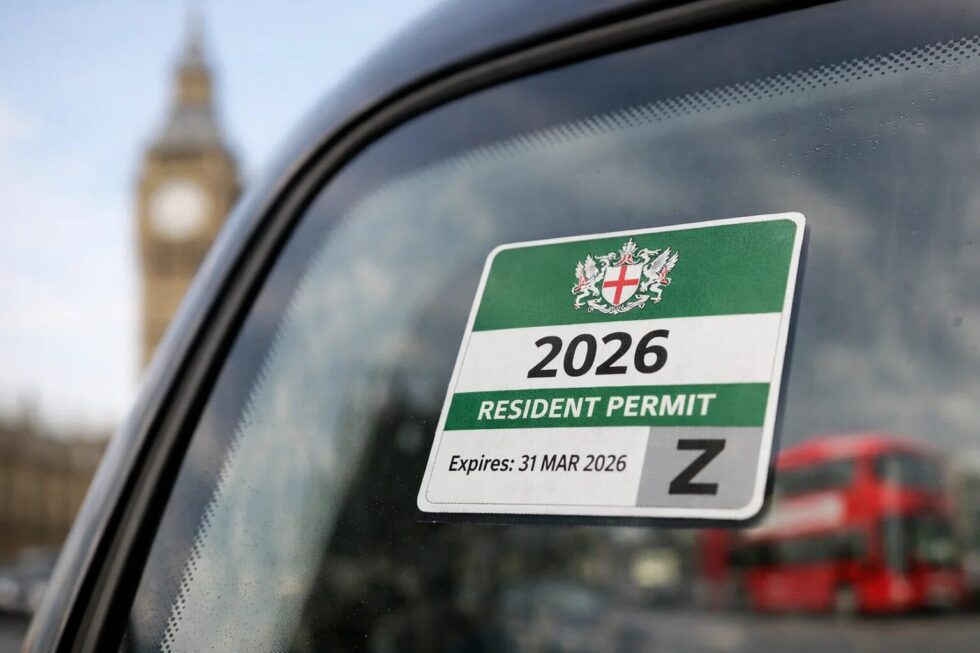
How do London residents parking permits work in 2026 — London borough councils continue to operate residents parking permit schemes in 2026, regulating on-street parking in controlled parking zones (CPZs) across the capital. These permits determine who can park near their home, at what cost, and under what conditions, with rules set locally but guided by national traffic regulations. In 2026, most London councils apply digital permits linked to vehicle registration numbers, differentiated by emissions bands, vehicle type and residency status. Charges typically range from £40 to over £400 per year depending on borough and CO₂ output, with stricter tariffs for high-emission vehicles. Recent updates include wider use of emissions-based pricing, reduced allowances for second vehicles, and tighter enforcement through ANPR systems. The changes affect residents, landlords and businesses operating vehicles in residential areas, altering costs, eligibility and penalties for non-compliance, as The WP Times reports.
How London residents parking permits work in 2026: legal framework and governance
How London residents parking permits work in 2026 is defined by a combination of national legislation and local authority policy. The primary legal basis remains the Road Traffic Regulation Act 1984, which allows local authorities to designate controlled parking zones and issue permits. In London, each of the 32 borough councils and the City of London Corporation sets its own permit conditions, prices and exemptions.
National guidance is published via GOV.UK, while operational rules are issued by borough parking departments. Transport for London (TfL) does not issue residents permits but coordinates traffic management on red routes, where different restrictions apply. Residents must therefore always check borough-specific rules rather than relying on city-wide assumptions.
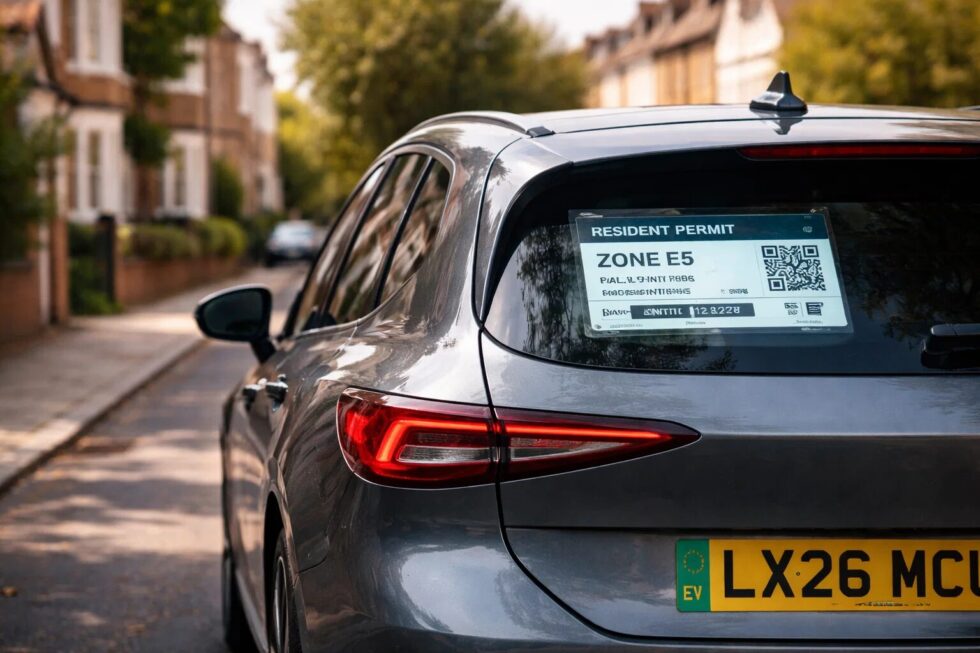
In 2026, almost all boroughs operate fully digital permit systems. Physical paper permits have been largely phased out since 2022–2024. Enforcement is conducted through Civil Enforcement Officers (CEOs) and automated number plate recognition (ANPR) cameras, particularly in high-pressure zones.
How London residents parking permits work in 2026: eligibility and who can apply
How London residents parking permits work in 2026 begins with eligibility. A permit is typically available to people who:
- Are registered as living at an address within a CPZ
- Own or are the primary keeper of a vehicle registered to that address
- Can provide proof of residence and vehicle ownership
Accepted documents usually include a council tax bill, tenancy agreement, utility bill dated within the last three months, and a V5C logbook. Some councils allow company cars if a letter from the employer confirms private use.
Second vehicles are permitted in many boroughs but are increasingly discouraged through higher fees. In 2026, several boroughs including Camden, Islington and Hackney restrict the number of permits per household, particularly for properties converted into multiple flats.
Applications are submitted through borough websites, such as camden.gov.uk, hackney.gov.uk or westminster.gov.uk. Processing times typically range from immediate approval to five working days.
How London residents parking permits work in 2026: costs and emissions-based pricing
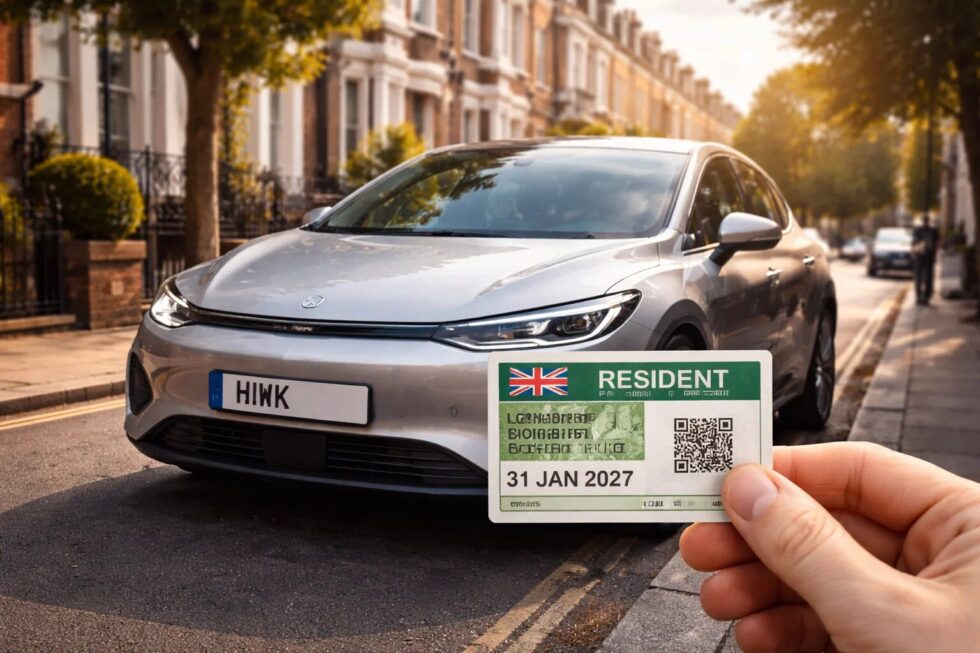
How London residents parking permits work in 2026 is closely linked to environmental policy. Most boroughs base permit prices on vehicle CO₂ emissions (g/km), fuel type and, in some cases, engine size. Electric vehicles (EVs) usually receive discounts, though some boroughs have begun phasing out free permits for EVs.
Typical annual permit costs in 2026 (examples)
| Borough | Low-emission vehicle | Average petrol car | High-emission vehicle |
|---|---|---|---|
| Camden | £75 | £185 | £400+ |
| Westminster | £120 | £260 | £500+ |
| Hackney | £65 | £180 | £350+ |
| Wandsworth | £40 | £140 | £300+ |
Prices vary annually and are reviewed by borough councils, often with public consultation. Discounts may apply for Blue Badge holders, carers and certain low-income households.
Payment is usually annual, though some councils offer monthly instalments. Failure to renew on time can result in penalty charge notices (PCNs) of £80–£130, depending on location.
How London residents parking permits work in 2026: where permits are valid
How London residents parking permits work in 2026 depends heavily on zone boundaries. A permit allows parking only within the holder’s designated CPZ and sometimes only in specific streets. Parking outside the zone, even within the same borough, is not permitted unless additional visitor or business permits are purchased.
Controlled hours typically run Monday to Friday, 8:30–18:30, though many central zones now operate seven days a week. Signs at zone entry points indicate operational hours, and residents are responsible for knowing these details.
Permits do not apply on red routes managed by TfL, nor on private roads. Misunderstanding this distinction remains a common cause of fines.
How London residents parking permits work in 2026: visitor permits and short-term parking
How London residents parking permits work in 2026 also includes visitor parking options. Most boroughs offer:
- Digital visitor permits purchased in hourly or daily blocks
- Virtual scratch cards linked to vehicle registration numbers
- Limited free visitor hours in some outer boroughs
Prices vary from £1 to £4 per hour, with daily caps in certain areas. Residents activate visitor parking online before the vehicle arrives, making retrospective activation invalid in most boroughs.
Visitor permits are strictly monitored, and misuse, such as selling permits or repeated use by the same vehicle, can lead to account suspension.
How London residents parking permits work in 2026: enforcement and penalties
How London residents parking permits work in 2026 is reinforced through enforcement. Civil Enforcement Officers patrol CPZs daily, supported by ANPR vehicles. Common violations include parking without a valid permit, overstaying visitor time and parking outside the correct zone.
Penalty Charge Notices (PCNs) in 2026 typically cost:
- £80 in outer London boroughs
- £130 in inner London boroughs
A 50% discount applies if paid within 14 days. Appeals can be submitted via the issuing borough’s website, with escalation to London Tribunals if rejected. Evidence such as screenshots of valid permits or payment confirmations is required.
How London residents parking permits work in 2026: what residents should do step by step
How London residents parking permits work in 2026 can be summarised in practical steps:
- Check if your street is within a CPZ using your borough’s online map.
- Review permit costs and emissions bands for your vehicle.
- Prepare proof of address and vehicle ownership.
- Apply online through your borough council website.
- Register or confirm your vehicle registration number.
- Set renewal reminders to avoid lapses and fines.
Residents moving address within the same borough must update their permit details immediately. Moving to another borough requires a new application.
How London residents parking permits work in 2026: verification and reliable information sources
How London residents parking permits work in 2026 should always be verified through official channels. Reliable sources include:
- GOV.UK guidance on parking permits
- Individual borough council websites
- London Tribunals (londontribunals.gov.uk) for appeals
- TfL (tfl.gov.uk) for red route restrictions
Third-party sites offering “fast permits” or unofficial services should be treated with caution, as permits can only be issued by councils.
How London residents parking permits work in 2026: implications for London households
How London residents parking permits work in 2026 reflects broader trends in transport policy, with rising costs for high-emission vehicles and increasing digital control. For London households, this means higher annual costs for certain vehicles, stricter compliance requirements and limited flexibility for additional cars. Residents are expected to actively manage permits online and stay informed about borough-specific changes. The system continues to prioritise congestion management and emissions reduction, directly affecting daily parking access across the capital.
Read about the life of Westminster and Pimlico district, London and the world. 24/7 news with fresh and useful updates on culture, business, technology and city life: What salary do you need to live in London comfortably in 2026 after rent and taxes