The world of home technology is evolving at an unprecedented pace, and nowhere is this more evident than in the market for robot vacuum cleaners. Once a novelty, these devices have become sophisticated cleaning assistants, offering a level of automation and convenience that was unimaginable just a few years ago. In 2025, with dozens of brands and hundreds of models, choosing the right robot vacuum can feel overwhelming. From advanced mapping systems to self-emptying docks and integrated mopping functions, the features on offer are more diverse than ever. This guide will help you understand the essential technologies, compare different models, and make an informed decision to find the perfect robot vacuum for your home and lifestyle, reported by The WP Times.
Understanding Key Features and Technologies
When you begin your search for a robot vacuum, you'll encounter a range of technical terms and features. Understanding these is the first step toward making a smart purchase. The core of any robot vacuum lies in its ability to navigate and its power to clean. While basic models rely on simple bump-and-go technology, modern devices use advanced sensors and lasers to create accurate maps of your home. The sophistication of these systems directly impacts how efficiently the vacuum cleans and whether it can handle complex layouts and obstacles.
Navigation and Mapping
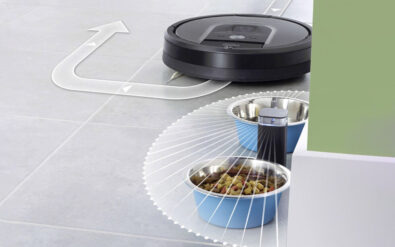
The most crucial feature to consider is the robot's navigation system. The current gold standard is LiDAR (Light Detection and Ranging), which uses a spinning laser to create a precise map of your home. This allows the vacuum to navigate efficiently, avoid obstacles, and clean in a logical pattern. Other systems, like vSLAM (Visual Simultaneous Localization and Mapping), use a camera to navigate but can be less reliable in low light. For a truly hands-off experience, a LiDAR-equipped robot is a must-have.
Suction Power and Cleaning Modes
The effectiveness of any vacuum cleaner is determined by its suction power, measured in Pascals (Pa). For hard floors, a suction power of around 2000 Pa is sufficient, but for homes with carpets or pets, you should look for models with at least 3000 Pa or more. Many modern robot vacuums also feature an automatic power boost function that increases suction when a carpet is detected, ensuring a deeper clean without wasting battery on hard floors. This adaptability is key for homes with mixed flooring.
Mopping and Self-Emptying Stations
In 2025, many mid-range and premium models offer integrated mopping functions. The best of these can automatically lift the mop pad when they detect carpet, preventing them from getting wet. This is a game-changing feature for homes with a mix of carpets and hard floors. Another major leap in convenience is the self-emptying dustbin, where the robot automatically empties its contents into a larger bag in a docking station. This can reduce the need for manual maintenance to once every few weeks.
The UK Market: What to Look for in Britain and London
While the core technologies are universal, a good robot vacuum for a home in London might have different requirements than one for a new-build in the suburbs of a different country. British homes, especially in older, more historic cities, often present unique challenges that an effective robot vacuum must be able to handle. From tight, often irregular floor plans to a mix of thick carpets and original hardwood floors, these factors require a more capable device. Understanding these specific needs is crucial for making the right choice.
Choosing a Robot Vacuum for a British Home
The diverse architecture of the UK, from narrow Victorian terraces to sprawling modern flats, means that a basic robot vacuum may struggle. Homes in London, for instance, often feature multiple thresholds between rooms and sometimes have uneven flooring. Furthermore, the prevalence of fitted carpets means that suction power is a far more important metric than for homes with predominantly hard floors. Finally, the country’s often damp climate means that mopping functions can be particularly useful for keeping hallways and kitchens clean.
- Advanced Mapping: LiDAR navigation is a must for navigating the often-complex layouts of older British homes.
- Carpet-to-hardwood transitions: Look for powerful suction and a smart mopping system that lifts the mop pad automatically.
- Dust and allergens: HEPA filters are essential for trapping pollen and dust, which is a major concern for many people in the UK.
- Brand Availability: Major brands like iRobot, Roborock, Eufy, and Dreame have strong support networks in the UK.
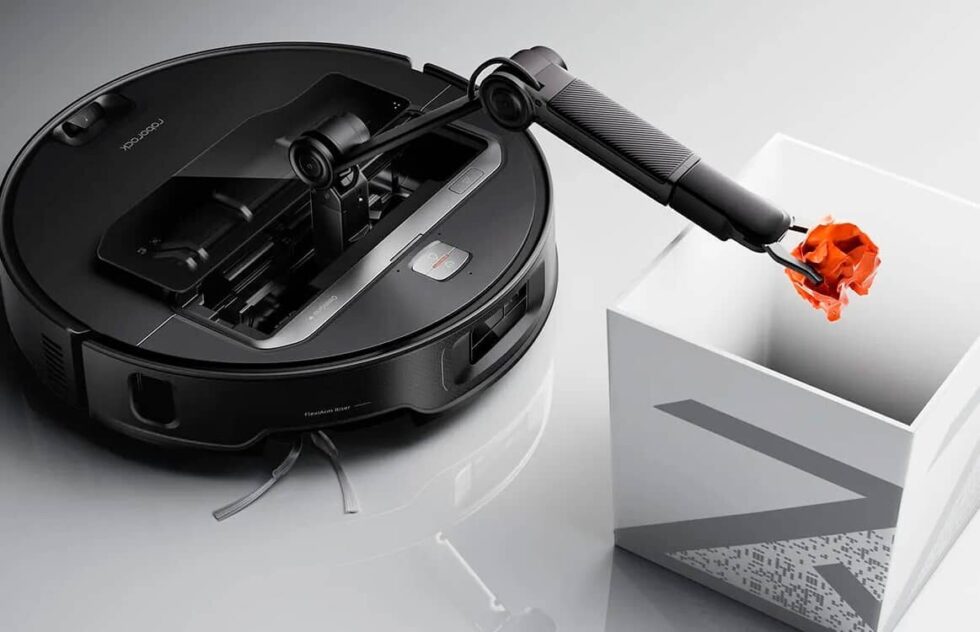
- Obstacle Avoidance: Precision-based obstacle avoidance is crucial for navigating around furniture, toys, and other clutter common in a busy family home.
A robust sensor system that can avoid getting stuck on door thresholds or furniture legs is far more valuable than a simple bump-and-go model. The combination of strong suction and a smart mopping function is especially useful for British homes, where a quick mopping can help deal with tracked-in dirt from the wet climate.
Key Brands and Pricing Tiers
The robot vacuum market in 2025 is more stratified than ever, with clear tiers that correspond to price and features. Knowing what to expect at each price point can help you manage your expectations and find a model that fits both your budget and your cleaning needs. From affordable entry-level models that handle basic cleaning to premium machines that offer a fully automated cleaning experience, there's a device for every type of user.
Comparing Popular Models in 2025
When you start to research models, you'll see a few brands that consistently dominate the market. Eufy is known for offering reliable budget-friendly options, while Roborock and iRobot are leaders in the mid-range and premium categories, respectively. The Dreame brand has also emerged as a strong competitor, especially in the premium segment, with highly automated models. The right choice depends on how much you are willing to spend versus how much you want the robot to do for you.
| Price Tier | Example Brands/Models | Key Features | Best for... |
| Budget (£100-£300) | Eufy, Roomba 600 series | Basic navigation, standard suction, manual dustbin emptying. | Small homes, first-time users, basic cleaning needs. |
| Mid-Range (£300-£600) | Roborock Q series, Eufy X series | LiDAR mapping, stronger suction, some self-emptying options. | Medium to large homes with mixed flooring; users seeking more automation. |
| Premium (£600+) | Roborock S series, Dreame, Roomba Combo | LiDAR + obstacle avoidance, self-emptying, self-cleaning mop, ultra-strong suction. | Large homes, users with pets, those who want a completely hands-free experience. |
The premium tier offers the ultimate in convenience, with features like automatic mop cleaning and water refilling at the dock. While the upfront cost is higher, the time saved on maintenance can be significant. On the other hand, a budget model is a fantastic entry point into the world of robot vacuums, offering a simple way to keep floors tidy without breaking the bank.
Choosing the right robot vacuum in 2025 is a matter of understanding your specific needs and the technologies available. With features like advanced mapping, powerful suction, and automated docks, these devices can genuinely transform your home cleaning routine. By considering your home's layout, particularly in the UK, and matching a model to your budget, you can find the perfect device that provides convenience and efficiency.
Read about the life of Westminster and Pimlico district, London and the world. 24/7 news with fresh and useful updates on culture, business, technology and city life: The Unseen Revolution: How 5G and 6G are Reshaping Our World.