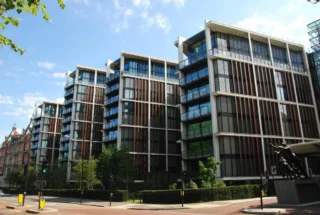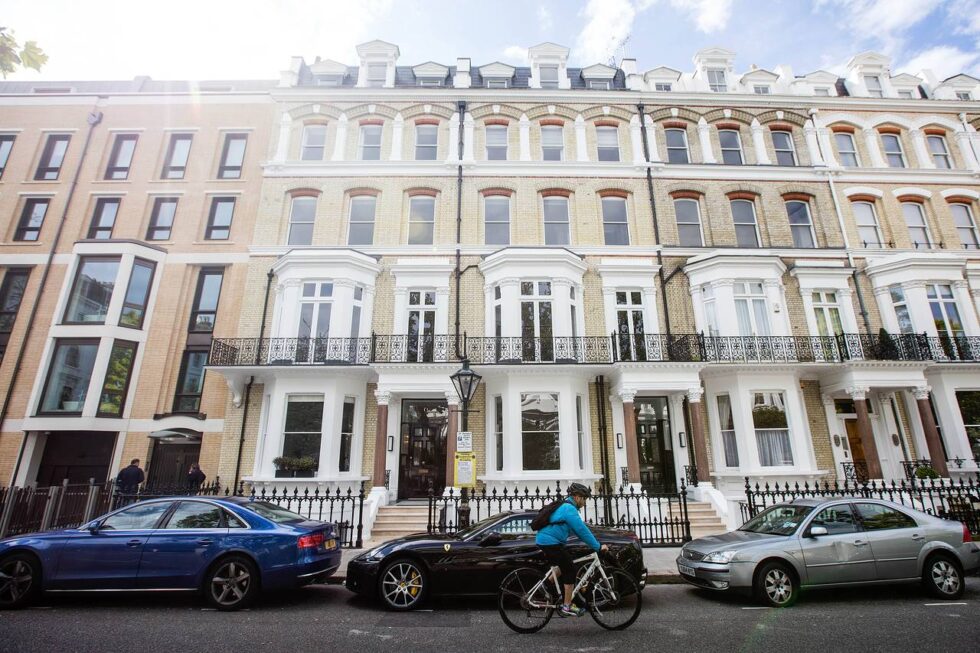
Brexit has significantly influenced the London property market, and Westminster has experienced unique effects due to its central location and high-profile status. Known for historic landmarks, government buildings, and luxury residences, Westminster attracts a diverse group of buyers, both domestic and international. The uncertainty surrounding the UK’s exit from the European Union created fluctuations in demand, leading to notable variations in property prices. Investors and residents faced a new reality when planning purchases, sales, or rentals. Understanding the impact of Brexit on Westminster is essential for anyone interested in real estate or long-term investment. This article provides detailed insights into price trends, market behavior, and strategic considerations. More information can be found at The WP Times.
Immediate Effects of Brexit on Westminster Property
The announcement of Brexit in 2016 caused a sudden wave of uncertainty across the property market. Many buyers postponed decisions due to fears of economic instability and potential changes to taxation or mortgage rules. In Westminster, this initially affected luxury apartments and townhouses, with sales volumes dropping compared to previous years.
How Buyers Reacted
Buyers’ reactions were diverse. Domestic purchasers often adopted a “wait-and-see” approach, while international investors evaluated currency fluctuations and potential residency restrictions. Property developers delayed or scaled back projects, leading to reduced supply in some sectors. The initial dip in transactions caused a temporary softening in prices, particularly for high-end properties. Despite this, some segments, such as smaller apartments near transport hubs, remained resilient. These differences illustrate how uncertainty can unevenly impact various property types.
Price Trends in Westminster Since Brexit
Property prices in Westminster initially declined after the referendum but began a gradual recovery in subsequent years. Different types of properties—luxury apartments, historic townhouses, and commercial spaces—showed varying recovery rates. Investors considered both Brexit-related uncertainties and longer-term market fundamentals when making decisions.
Before presenting detailed statistics, it is important to emphasize that Westminster’s property market is highly segmented. Luxury flats in the core districts reacted differently than period townhouses or mixed-use buildings. Investor confidence, currency considerations, and government regulations all played roles in shaping demand.
The following table illustrates how average property prices evolved over time, reflecting the complex interaction of these factors.
Average Property Prices in Westminster (2015–2023)
| Year | Average Price (£) | Price Change (%) | Notes |
|---|---|---|---|
| 2015 | 1,200,000 | - | Pre-Brexit baseline |
| 2016 | 1,180,000 | -1.7% | Immediate referendum effect |
| 2017 | 1,160,000 | -1.7% | Market cautiousness continues |
| 2018 | 1,190,000 | +2.6% | Early recovery begins |
| 2019 | 1,210,000 | +1.7% | Investor confidence improves |
| 2020 | 1,230,000 | +1.7% | Pandemic adds temporary volatility |
| 2021 | 1,250,000 | +1.6% | Market gradually stabilizes |
| 2022 | 1,280,000 | +2.4% | Recovery strengthens |
| 2023 | 1,300,000 | +1.6% | Current valuation |
The table shows that Westminster experienced an initial dip after Brexit, followed by a steady recovery. Factors such as renewed investor confidence, favorable exchange rates for international buyers, and a stable domestic economy contributed to the rebound. High-demand areas, especially those with good transport links and cultural amenities, recovered more quickly. The gradual increase in property values also reflects long-term confidence in Westminster as a prime location. For investors and homeowners, these trends highlight opportunities and potential risks.
Key Factors Influencing Price Changes
Several factors influenced property price movements in Westminster following Brexit. Currency fluctuations affected international buyers, while changes in mortgage rules and taxation influenced domestic decisions. The COVID-19 pandemic added temporary volatility, shifting some demand toward suburban areas. However, the borough’s historical prestige, central location, and cultural significance kept interest strong. Property type, location, and infrastructure remained the most important determinants of price recovery. Market behavior demonstrates that uncertainty impacts some segments more than others, requiring careful analysis for informed decisions.
Practical Advice for Buyers and Investors
For potential buyers, understanding market trends is critical. Evaluating both current prices and long-term prospects ensures better decisions. Investors focus on capital growth potential and rental yields, both of which can be influenced by political and economic changes. In addition, regulatory changes, such as tax adjustments and planning permissions, are important to monitor. Awareness of these factors helps buyers navigate the post-Brexit property environment.
Before reviewing specific advice, it is important to note that property decisions should be tailored to individual circumstances. Market trends provide guidance, but professional consultation with agents and legal experts is essential. Strategic location selection and property type analysis remain crucial for maximizing returns.
Key Recommendations for Westminster Buyers
- Analyze historical price trends to identify resilient property segments.
- Consider currency fluctuations and taxation if investing internationally.
- Focus on locations with strong transport links and local amenities.
- Monitor government regulations affecting mortgage availability and foreign ownership.
- Engage experienced agents and legal advisors to ensure smooth transactions.
Following these recommendations reduces risks and improves the likelihood of successful investment. For buyers and investors, combining careful research with practical advice is the most reliable approach to navigating Westminster’s property market. Well-informed decisions lead to more predictable outcomes, even amidst post-Brexit uncertainty.
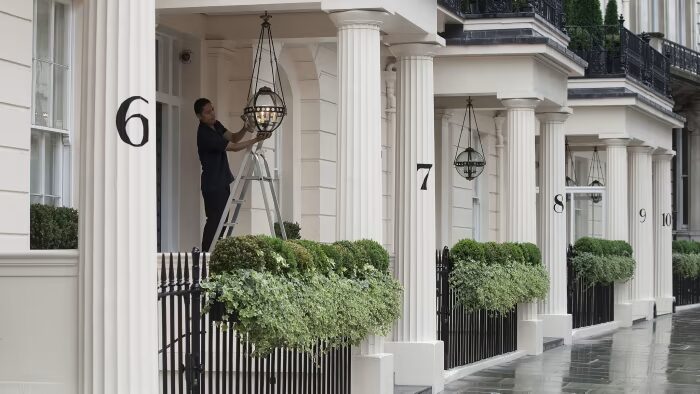
Comparison with Other Central London Boroughs
Westminster’s post-Brexit performance can be better understood by comparing it with nearby boroughs such as Kensington, Camden, and the City of London. Each area responded differently based on property types, international buyer demand, and local amenities.
Before presenting the comparison table, it is important to note that price changes reflect a combination of factors. Luxury apartments, historic townhouses, and commercial properties all have unique market dynamics. Investor confidence, accessibility, and neighborhood reputation also play significant roles in driving demand.
| Borough | Average Price (£) 2023 | Price Change Since 2016 | Main Factors |
|---|---|---|---|
| Westminster | 1,300,000 | +8% | Prime location, historic and cultural landmarks |
| Kensington | 2,000,000 | +6% | High-end properties, international buyers |
| Camden | 950,000 | +5% | Student rentals, professional demand |
| City of London | 1,100,000 | +4% | Limited residential supply, commercial focus |
This table demonstrates Westminster’s resilience relative to other central London boroughs. While each area faced Brexit-related uncertainty, Westminster’s combination of prestige, infrastructure, and centrality maintained demand. Buyers seeking stable investment opportunities often favor Westminster due to these advantages.
Investment Considerations
Investors must consider both short-term volatility and long-term growth potential. Westminster offers steady returns due to its strong demand and prime locations. Rental yields remain attractive in certain districts, while capital appreciation potential depends on property type and location. Understanding these nuances is key for successful investment strategy.
Brexit undoubtedly created challenges for Westminster’s property market, but the borough has demonstrated remarkable resilience. Prices initially dipped following the referendum, reflecting uncertainty, but have steadily recovered and now exceed pre-Brexit levels. The area’s prestige, excellent infrastructure, proximity to government and cultural institutions, and ongoing international interest have all contributed to this stability. For buyers, understanding historical trends, monitoring regulatory changes, and focusing on prime locations are essential for informed decision-making. Investors who apply these insights can identify properties with strong rental demand and potential for capital growth. Even amidst global economic uncertainties, Westminster continues to offer opportunities for both homeowners and investors. In summary, careful research, strategic planning, and professional guidance allow stakeholders to navigate post-Brexit challenges and benefit from the borough’s enduring appeal.
Read about the life of Westminster and Pimlico district, London and the world. 24/7 news with fresh and useful updates on culture, business, technology and city life: What is the cost of daily life in Pimlico: groceries, transport and utilities.
Photo: Financial Times.