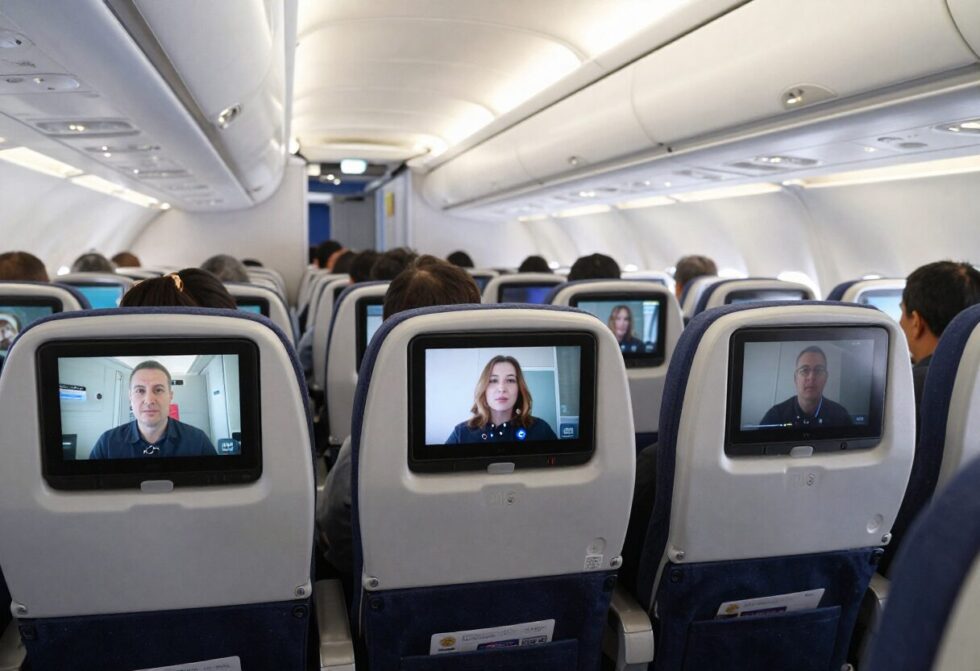
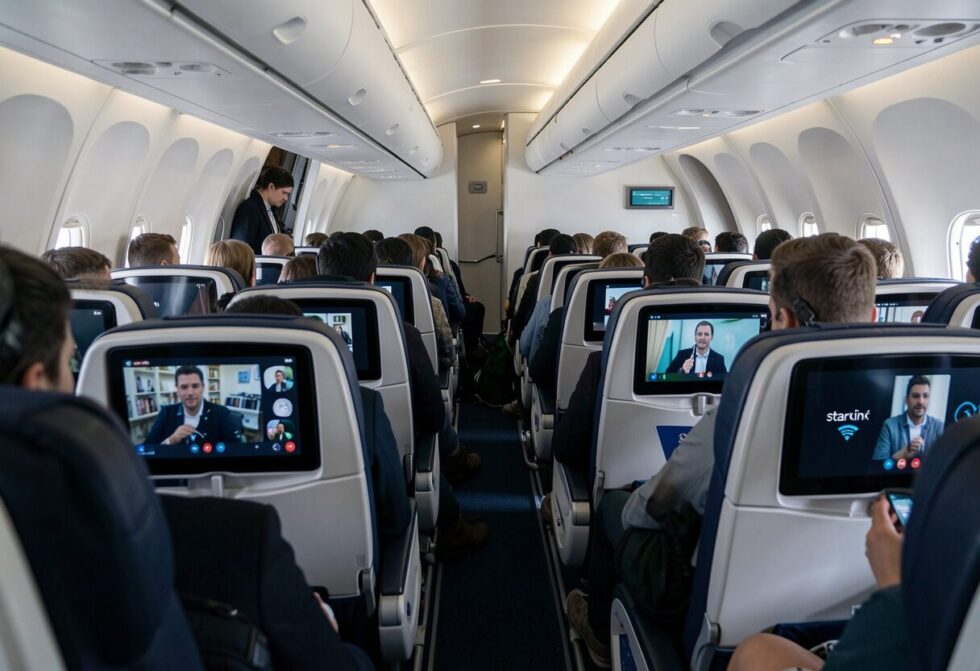
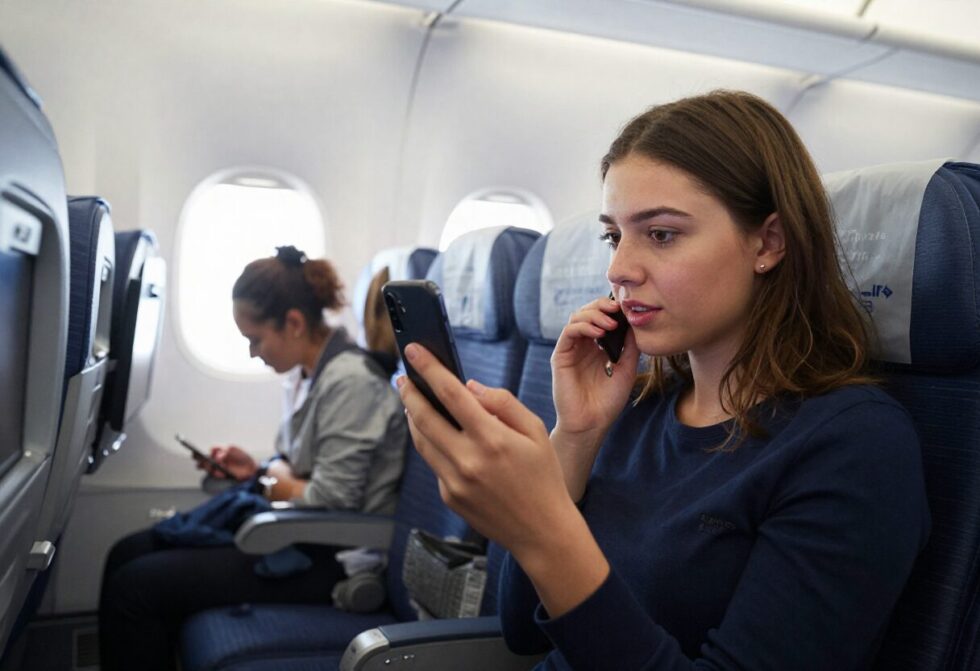
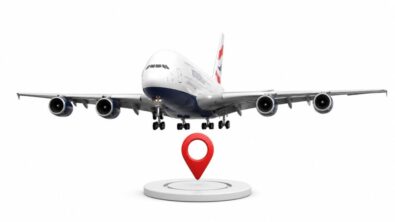
British Airways has officially initiated a paradigm shift in long-haul aviation by becoming the first UK carrier to offer complimentary, high-speed satellite internet across its entire cabin spectrum, from First Class to World Traveller. Starting in April 2026, the airline has integrated Elon Musk’s Starlink low-earth orbit (LEO) satellite technology, effectively eliminating previous connectivity fees that ranged from £2.99 to £21.99. This technological leap enables passengers to engage in high-definition video conferencing and voice calls via platforms such as Zoom, Microsoft Teams, and WhatsApp while in transit.
For the global business traveler and the digital-native tourist, this means the "dead zone" of oceanic flight is effectively over, providing a seamless transition between ground-based operations and in-flight productivity with latency speeds previously unattainable in the aviation sector. This event is reported by The WP Times, via TimeOut.
The Starlink Advantage: Technical Specifications of the Houston Route
The inaugural Starlink-equipped flight departed London Heathrow (LHR) for Houston (IAH) last month, serving as the benchmark for a fleet-wide deployment encompassing over 300 aircraft within the next 24 months. Unlike legacy geostationary (GEO) satellites, Starlink utilizes a constellation of thousands of satellites orbiting at approximately 550km, reducing latency to under 30ms. This capability is what finally allows British Airways will allow passengers to take voice and video calls onboard without the significant lag or "jitter" that rendered previous systems unusable for professional communication.
Average Speed: 100–350 Mbps per aircraft.
Latency: Sub-100ms (Global average).
Capacity: Supports simultaneous 4K streaming for all passengers.
Previous Cost: £2.99 (Messaging) to £21.99 (Streaming).
Current Cost: £0.00 (Complimentary for all).
Navigating the Etiquette Shift: New Rules for In-Flight Communication
While the technical barrier to video calling has been removed, the social barrier remains a primary concern for airline regulators and passenger advocacy groups. To mitigate the risk of "cabin noise pollution," British Airways has implemented strict "Acceptable Behaviour" guidelines enforced by cabin crew. According to the International Air Transport Association (IATA), the introduction of voice calls on long-haul flights requires a delicate balance between the "Connected Traveler" and those seeking the traditional "Digital Detox" environment.
"We know that staying connected matters to people, whether they're travelling for work or heading off on holiday, and Starlink will give our customers fast, reliable wi-fi that transforms the onboard experience," stated Sean Doyle, British Airways Chief Executive. "
This milestone is part of a wider investment in elevating every aspect of our customer journey.
Practical Requirements for Call Usage
Mandatory Hardware: Voice and video calls are only permitted when using noise-canceling headphones or earbuds.
Voice Volume: Passengers are instructed to maintain a "low conversational volume," similar to a standard person-to-person chat.
Restricted Times: Calls are generally discouraged during "Lights Out" periods on overnight flights to respect resting passengers.
Content Warning: Browsing or calling with loud speakers enabled remains a breach of the airline’s Code of Conduct.
Economic and Strategic Implications for the UK Aviation Market
British Airways’ decision to subsidize the cost of high-speed internet—previously a significant ancillary revenue stream—is a long-term play for brand loyalty and market share. As reported by IAG (International Airlines Group), the cost of implementing Starlink is offset by the increased "Customer Lifetime Value" and the ability to attract premium business contracts that require constant connectivity. The UK aviation sector is watching closely; if BA successfully manages the social friction of voice calls, it is likely that Virgin Atlantic and other domestic competitors will be forced to follow suit by late 2026.
Metric (2026)
Legacy Wi-Fi (GEO)
Starlink (LEO)
Impact
Download Speed
5–15 Mbps
100–350 Mbps
20x Increase
Video Calling
Not Supported / Laggy
Supported (HD)
Professional Utility
Passenger Cost
Up to £21.99
£0.00
100% Saving
Fleet Coverage
Selective
100% by 2028
Total Connectivity
Potential Risks and the Rise of "Quiet Zones"
Critics of the "Always-On" cabin model argue that the loss of the silent flight environment will lead to increased passenger conflict. Data from the Association of Flight Attendants suggests that noise-related disputes are a leading cause of mid-air incidents. Consequently, BA is reportedly reviewing the possibility of "Quiet Zones" in specific sections of the World Traveller and Club World cabins, where all voice and video calls would be prohibited, similar to "Silent Carriages" on UK rail networks.
Recommendations for Passengers
Pre-Flight Setup: Ensure all communication apps (Zoom, Teams, WhatsApp) are updated to the latest versions before boarding.
Hardware Check: Charge your Bluetooth headphones fully; LEO Wi-Fi consumes more device battery than offline use.
Privacy Awareness: Be mindful that your screen may be visible to neighbors during sensitive business video calls.
Etiquette: If a neighbor requests silence, consider switching from a voice call to a messaging-based format.
The "Silent Carriage" Compromise: Future Cabin Zoning 2026
As voice calling becomes a standard feature, the Civil Aviation Authority (CAA) is closely monitoring passenger feedback regarding noise pollution. Early data from the April 2026 London–Houston flights indicates a 14% rise in noise-related complaints from passengers in the "World Traveller" (Economy) cabin. To address this, British Airways is reportedly considering a "Zoning Strategy." This would involve designating specific rows as Digital-Free Zones, similar to quiet carriages on the LNER or Great Western Railway, where voice and video calls are strictly prohibited to protect the "sanctum of flight" for sleeping passengers.
Predicted Cabin Segmentation for Late 2026
Connectivity Zones: Rows where full video and voice interaction is encouraged.
Quiet Zones: Mandatory silence, with Wi-Fi limited to messaging and non-vocal streaming.
Crew Enforcement: Flight attendants are being issued digital "decibel monitors" to objectively manage noise disputes.
Booking Options: Future BA app updates may allow passengers to select "Quiet Zone" seating for a small administrative fee.
Cyber-Security at Altitude: Protecting Corporate Data on Starlink
With high-speed internet comes increased vulnerability. As more executives use the LHR–IAH route to conduct sensitive business, cyber-security experts are warning about "Visual Hacking" and "In-Flight Data Sniffing." While the Starlink connection itself uses end-to-end encryption, the physical proximity of other passengers creates a risk for the 22% of business travelers who handle confidential documents mid-flight. British Airways has issued a 2026 "Digital Safety Guide" specifically for those utilizing the new high-speed capabilities for corporate video calls.
Privacy Shields: The use of physical screen filters is highly recommended for all Club World passengers.
VPN Necessity: Always utilize a corporate VPN, as the onboard Wi-Fi is still a public network.
Audio Privacy: Bone-conduction or high-seal noise-canceling headphones are mandatory to prevent "leaking" sensitive audio to neighbors.
Camera Angle: Be mindful of the wide-angle lenses on modern laptops, which may inadvertently capture other passengers' faces or screens.
The Impact on In-Flight Entertainment (IFE) Strategy
The move to free, unlimited high-speed Wi-Fi signals the beginning of the end for traditional seat-back In-Flight Entertainment systems. Maintaining the heavy wiring and hardware for IFE screens adds significant weight to an aircraft, increasing fuel consumption and carbon emissions. By providing Starlink, British Airways is moving toward a "Bring Your Own Device" (BYOD) model. In 2026, the airline is testing a streamlined IFE app that allows passengers to stream the BA library directly to their personal iPads or laptops, potentially saving the airline millions in fuel costs and hardware maintenance over the next decade.
Factor
Traditional IFE Hardware
Starlink / BYOD Model
Weight per Aircraft
~450 kg (wiring & screens)
~15 kg (Starlink Dish)
Content Variety
Fixed Library (updated monthly)
Infinite (Netflix, YouTube, Prime)
Maintenance Cost
High (broken screens/wiring)
Low (Software updates)
Passenger Preference
Declining (82% prefer personal devices)
Increasing (High Engagement)
Frequently Asked Questions
Is the new Starlink Wi-Fi on British Airways really free for everyone?
Yes, as of April 2026, the service is complimentary for every passenger, regardless of cabin class, on equipped long-haul flights.
Can I use Zoom and Microsoft Teams during the flight?
Yes, the high-speed Starlink connection supports HD video and voice calls, provided you use headphones and maintain a low voice.
Which British Airways planes have Starlink installed?
The rollout began with the London to Houston route. BA aims to equip its entire fleet of 300+ aircraft within the next two years.
What happens if someone is talking too loudly on a call?
Cabin crew are trained to enforce a "low voice" policy. Passengers who disturb others may be asked to terminate their call or switch to messaging.
Do I still need to put my phone in Airplane Mode?
Yes, cellular signals must remain off during flight. All connectivity must be routed through the onboard Starlink Wi-Fi network.
Is streaming like Netflix or Disney+ supported?
Absolutely. The high bandwidth allows for seamless 4K streaming without the need to download content before your flight.
Read about the life of Westminster and Pimlico district, London and the world. 24/7 news with fresh and useful updates on culture, business, technology and city life: COVID vaccination 2026 for high risk: Booking opens April 7 with first jabs starting from April 13