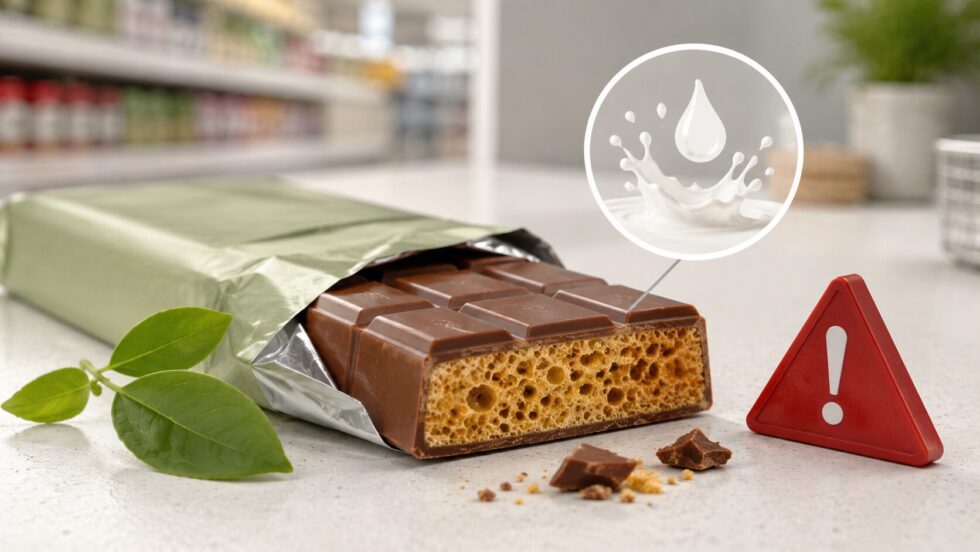
A chocolate bar sold as a plant-powered, dairy-free treat has been recalled in the UK after milk was found in the product despite not being declared on the label. The warning applies to Buttermilk Confections’ Honeycomb Blast Choc Bar, a 45g product with batch code BM26105 and a best-before date of 15 June 2027, and it matters most for people with a milk allergy or intolerance because the Food Standards Agency says the bar contains milk casein, The WP Times reports.
The recall is not a routine quality issue about taste, packaging or shelf life. It is an allergy alert involving an ingredient that can trigger serious reactions in some consumers, especially those who chose the bar because it was marketed as dairy-free, gluten-free and plant-based. Customers who bought the affected batch have been told not to eat it if they have an allergy or intolerance to milk or milk constituents. They should return it to the shop where it was bought for a full refund.
Chocolate bar recall in the UK: which product is affected
The affected product is Buttermilk Confections Honeycomb Blast Choc Bar, sold in a 45g pack. The specific batch code is BM26105, and the best-before date printed on the recalled bars is 15 June 2027. That detail is important because the recall does not automatically apply to every Buttermilk product or every chocolate product on shelves. Shoppers should check the packaging rather than rely only on the product name.
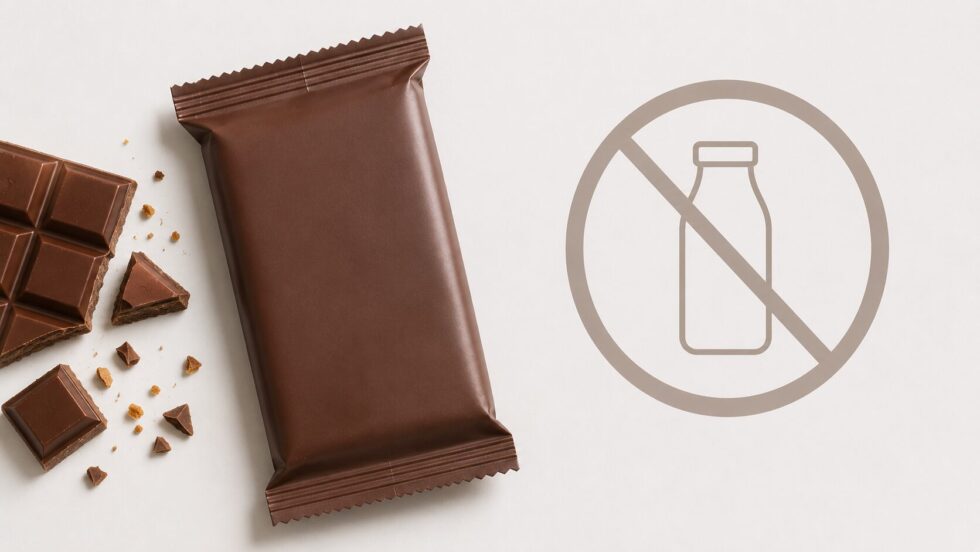
The product has drawn attention because it sits in a fast-growing “free-from” part of the confectionery market. Many people buy such bars not only because they are vegan or plant-based, but because they depend on allergen labelling to avoid potentially dangerous ingredients. In this case, the risk comes from milk being present without appearing on the label. For a shopper without a milk allergy, the issue may seem technical; for an allergy sufferer, it can be a serious safety matter.
| Product | Details shoppers should check |
|---|---|
| Product name | Honeycomb Blast Choc Bar |
| Brand | Buttermilk Confections |
| Pack size | 45g |
| Batch code | BM26105 |
| Best before | 15 June 2027 |
| Allergen risk | Milk / casein not declared on label |
| Advice | Do not eat if allergic or intolerant to milk; return for refund |
Why the Honeycomb Blast Choc Bar was recalled
The Food Standards Agency says the product contains milk which is not mentioned on the label. The agency’s risk statement identifies milk, specifically casein, as the allergen concern. Casein is a milk protein, and it can be unsafe for people who have an allergy or intolerance to milk or milk constituents. The problem is therefore not simply that the product is no longer suitable for vegans; it is that the label may not give vulnerable shoppers the information they need before eating it.
Buttermilk Confections has recalled the affected product from customers. The company has also been advised to contact relevant allergy support organisations so that their members can be told about the warning. A point-of-sale notice has also been issued to explain why the product is being recalled and what customers should do. That means shoppers may see the warning not only online, but also in stores or through consumer allergy networks.
The FSA’s consumer advice is direct: “do not eat it” if you have a milk allergy or intolerance. The agency says affected customers should return the product to the store where it was bought for a full refund. In practical terms, this means shoppers should check cupboards, handbags, office snack drawers and children’s lunch supplies if they recently bought the product.
What shoppers should do now if they bought the chocolate bar
The first step is to check the front and back of the wrapper carefully. The product name alone is not enough; the batch code and best-before date are the key details. If the bar is Honeycomb Blast Choc Bar, 45g, batch BM26105, with best before 15 June 2027, it falls within the recall. Anyone with a milk allergy or intolerance should not taste it “just to check” or assume that a small amount is safe.
Customers should return the recalled bar to the shop where it was purchased. The FSA says it should be returned for a full refund. Shoppers normally do not need to open the product or prove that they became unwell; the recall is based on the safety risk created by undeclared milk. If the product was bought for someone else, especially a child, colleague or allergy sufferer, they should be told immediately. Useful steps for consumers:
- Check the wrapper for BM26105 and 15 June 2027.
- Do not eat the bar if you have a milk allergy or intolerance.
- Keep the packaging so the batch can be confirmed.
- Return it to the store for a refund.
- Tell anyone you may have given the bar to.
- Seek medical advice if symptoms appear after eating it.
Why undeclared milk in a plant-based chocolate bar is a serious issue
Milk is one of the major allergens that must be clearly communicated to consumers. When it is missing from the label, shoppers cannot make an informed choice. This is especially sensitive in the free-from market, where consumers often select products because they appear to exclude a specific allergen. A plant-based label may also create a stronger expectation that the product is suitable for people avoiding dairy. Allergy reactions vary widely. Some people may experience skin rashes, stomach symptoms or vomiting. Others may suffer swelling, breathing problems or wheezing. In rare but severe cases, allergic reactions can lead to anaphylaxis, which requires urgent medical attention. That is why the recall language is strict and why the safest advice is not to consume the affected batch. The case also shows why shoppers should treat recall notices seriously even when the product looks normal. A food recall does not always mean the product smells wrong, tastes wrong or appears damaged. In allergen cases, the danger may be invisible. The only reliable guide is the official product detail: name, pack size, batch code and best-before date.
What this recall says about Britain’s free-from food market
The UK market for vegan, plant-based and free-from snacks has grown rapidly, and many consumers now expect these products to be widely available in mainstream supermarkets. That growth has made allergen control more important, not less. When a brand sells a product as dairy-free, buyers may include people with medical reasons for avoiding milk, not only people making a lifestyle choice. A labelling failure can therefore damage trust beyond a single batch.
For retailers, the recall creates a simple but urgent task: remove affected stock, display notices and direct customers toward refunds. For manufacturers, it is a reminder that ingredient control, testing and packaging accuracy must match the promise made on the front of the product. For consumers, the lesson is more practical: always check official recalls, especially if buying free-from food for allergy reasons. The FSA’s role in this case is to make the risk public and give clear instructions. The agency has identified the product, the batch, the date and the allergen. That makes the advice easy to act on. The responsibility now sits with retailers, the manufacturer and consumers who may already have the chocolate bar at home.
FAQ: chocolate bar recall and milk allergy warning
Which chocolate bar has been recalled?
The recalled product is Buttermilk Confections Honeycomb Blast Choc Bar, sold in a 45g pack. The warning applies specifically to bars with batch code BM26105 and a best-before date of 15 June 2027. These details matter because the recall is linked to a particular batch, not to every chocolate product in shops. The bar was marketed as a plant-powered, dairy-free option, so the alert is especially important for customers who bought it because they avoid milk for allergy or intolerance reasons. Shoppers should check the wrapper carefully before eating the product or giving it to someone else.
Why has the chocolate bar been recalled?
The chocolate bar has been recalled because it contains milk casein, a milk protein, which was not declared on the label. That makes the product a possible health risk for anyone with an allergy or intolerance to milk or milk constituents. The issue is not only that the bar may no longer meet dairy-free or vegan expectations; the more serious problem is that allergy sufferers may have chosen it because they believed it was safe. Undeclared allergens are treated seriously because reactions can happen quickly and may be severe. For that reason, the official advice is clear: people affected by milk allergy or intolerance should not eat the recalled batch.
Can people without a milk allergy eat it?
The recall warning is directed at people who have an allergy or intolerance to milk or milk constituents. For people without a milk allergy, the risk is not the same, but the product still has incorrect allergen information on the label. That matters because food labels must allow shoppers to make safe and informed choices, especially in the free-from aisle. If the bar was bought for a child, colleague, friend or family member, the safest step is to check whether that person avoids milk for medical reasons. Anyone unsure should not serve the product to others and should return it to the store.
What should I do if I bought the affected batch?
First, check the pack size, batch code and best-before date on the wrapper. If the product is the 45g Honeycomb Blast Choc Bar with batch code BM26105 and best before 15 June 2027, and you have a milk allergy or intolerance, do not eat it. Do not taste a small piece to “check” whether it causes a reaction, because milk casein can be enough to trigger symptoms in sensitive people. Keep the packaging if possible, as it confirms the batch involved in the recall. The product should be returned to the shop where it was bought for a full refund.
What symptoms should people watch for?
Anyone with a milk allergy who may have eaten the recalled chocolate bar should watch for symptoms such as rash, itching, stomach pain, vomiting, swelling of the lips or face, wheezing or breathing difficulty. Symptoms can vary from mild to serious, and a reaction may develop quickly. Breathing problems, facial swelling, dizziness or signs of a severe allergic reaction should be treated as urgent. People who feel unwell after eating the product should seek medical advice. The safest advice for allergy sufferers remains simple: do not eat the affected bar and return it for a refund.
Read about the life of Westminster and Pimlico district, London and the world. 24/7 news with fresh and useful updates on culture, business, technology and city life: UK Visa Changes 2026: What Foreign Workers Need To Know About New Salary Rules, English Tests And Settlement Delays