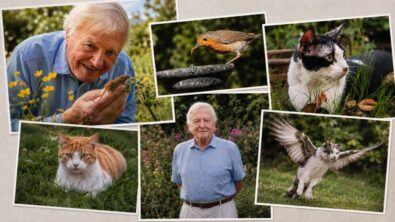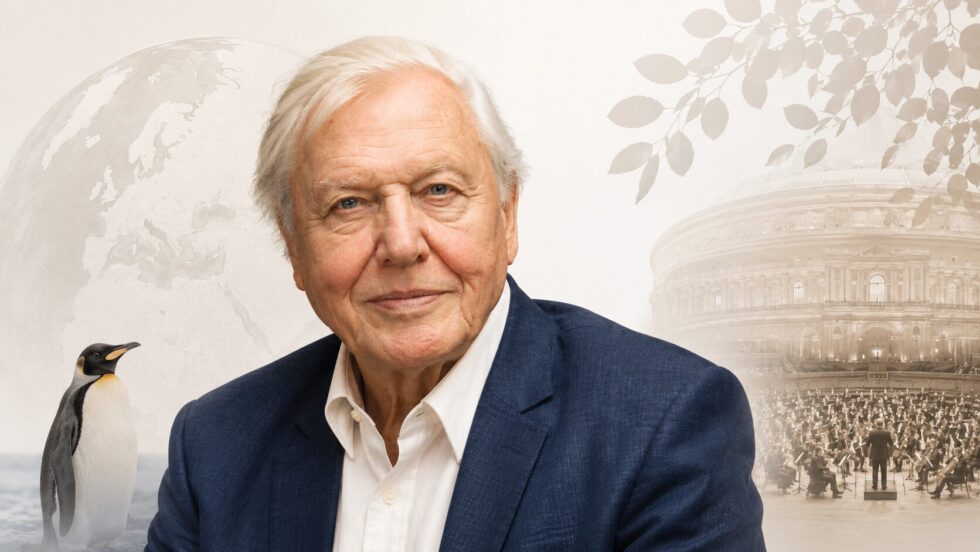
David Attenborough says he has been “completely overwhelmed” by thousands of messages sent ahead of his 100th birthday as Britain prepares to celebrate one of the most recognised broadcasters and environmental figures in television history. The veteran presenter, who turns 100 on Friday 8 May, thanked supporters in a special audio message released before a major BBC tribute concert at London’s Royal Albert Hall, with celebrations, archive programming and public events taking place across the UK, The WP Times reports.
David Attenborough said he originally expected to mark the milestone privately, but the scale of public reaction rapidly transformed the occasion into a nationwide celebration of his broadcasting legacy. Messages reportedly arrived from schools, care homes, families and viewers across multiple generations, reflecting the extraordinary reach of Attenborough’s documentaries over more than seven decades on British television. The BBC has dedicated an entire week of special programming to the broadcaster, whose career began after joining the corporation in 1952.
David Attenborough thanks viewers ahead of 100th birthday
In the audio message released on Thursday, Sir David addressed the public directly and expressed gratitude for the overwhelming response surrounding his centenary celebrations. He explained that the volume of greetings made it impossible to respond individually, but said he wanted to thank supporters “most sincerely” for their kindness and support. The broadcaster also acknowledged local events organised in his honour around Britain. Many wildlife groups, schools and environmental organisations have reportedly arranged screenings, educational sessions and themed birthday gatherings connected to Attenborough’s work on conservation and nature storytelling.
Key details surrounding the birthday celebrations include
| Event | Details |
|---|---|
| Birthday date | 8 May 2026 |
| Main celebration venue | Royal Albert Hall, London |
| Broadcaster | BBC One and BBC iPlayer |
| Concert duration | 90 minutes |
| Start time | 20:30 BST |
| Presenter | Kirsty Young |
| Main theme | David Attenborough’s life and broadcasting legacy |
The Royal Albert Hall event is expected to become the centrepiece of the BBC’s tribute programming. The concert combines archive footage, orchestral music and appearances from presenters, conservationists and television personalities closely connected to Attenborough’s career.
Royal Albert Hall concert brings together BBC stars and wildlife archive moments
The special programme hosted by Kirsty Young will feature appearances from several high-profile figures associated with wildlife television and British broadcasting. Guests expected at the event include Michael Palin, Steve Backshall, Liz Bonnin and Chris Packham. The concert programme is designed around some of the BBC Natural History Unit’s most iconic moments. Organisers confirmed the event will revisit famous sequences from landmark productions including Planet Earth II and Frozen Planet II. Among the featured musical performances:
- The BBC Concert Orchestra will perform themes connected to Attenborough documentaries
- Bastille singer Dan Smith will perform “Pompeii”
- Sigur Rós will perform “Hoppípolla”
- Singer Sienna Spiro is scheduled to appear
- Harpist Francisco Yglesia will join the event
BBC executives described the centenary as an “extraordinary moment” for British broadcasting history. The corporation has also made a large archive collection of Attenborough programmes available on BBC iPlayer as part of the anniversary programming.
David Attenborough’s television legacy spans more than 70 years
Born in west London on 8 May 1926, David Attenborough became one of the defining voices of wildlife broadcasting globally. His documentary work transformed nature television through cinematic filming techniques, scientific storytelling and global environmental reporting. His major productions include:
| Series | Original release |
|---|---|
| Life on Earth | 1979 |
| The Blue Planet | 2001 |
| Planet Earth | 2006 |
| Frozen Planet | 2011 |
| Planet Earth II | 2016 |
| Planet Earth III | 2023 |
Many of these programmes changed audience expectations for documentary filmmaking and helped establish the BBC Natural History Unit as a global leader in wildlife production. Attenborough’s work also played a significant role in increasing public awareness around biodiversity loss, climate change, plastic pollution and endangered ecosystems. In recent years, his documentaries increasingly focused on environmental pressures affecting oceans, forests and wildlife habitats.
Natural History Museum names newly identified wasp after Attenborough
As part of the centenary tributes, the Natural History Museum announced that a newly identified parasitic wasp species had been named after Attenborough. The insect, called Attenboroughnculus tau, originates from the Patagonian lake regions of Chile. According to museum researchers, the specimen had remained inside the museum’s archive collection for around four decades before scientists formally identified and classified it. This is not the first species named in honour of the broadcaster. Scientists have previously attached the Attenborough name to several discoveries, including:
- A dinosaur species
- A butterfly
- A ghost shrimp
- A grasshopper
- A flowering plant species
The repeated scientific tributes reflect Attenborough’s influence not only in broadcasting, but also within environmental science and public engagement with biodiversity research.
Quotes and tributes continue across Britain
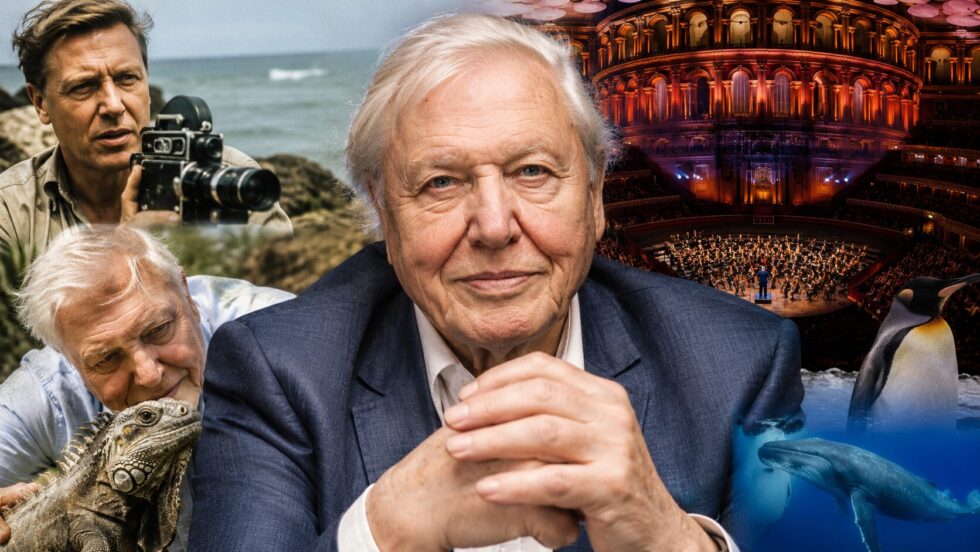
Presenter Kirsty Young described Attenborough’s career as a “gift to the world”, saying his documentaries allowed viewers to understand the planet in unprecedented detail. She added that the Royal Albert Hall celebration was intended to honour a lifetime dedicated to revealing the natural world to television audiences. Meanwhile, BBC content chief Kate Phillips called Attenborough a “truly remarkable individual” whose influence on broadcasting and conservation continues to shape generations of filmmakers and viewers.
Throughout the week, British television schedules have featured documentaries revisiting Attenborough’s career milestones, including reflections on the making of Life on Earth and recent projects focused on British wildlife and gardens. The scale of the celebrations underlines Attenborough’s unique cultural position within Britain. Few broadcasters have remained as influential across multiple generations while simultaneously reshaping public conversations around science, nature and environmental protection.
Who is David Attenborough
David Attenborough is one of the most influential television presenters and environmental storytellers in modern broadcasting history. Born in west London on 8 May 1926, he became globally recognised through landmark BBC wildlife documentaries that transformed how audiences understood nature, animals and the environmental crisis.
He joined the BBC in 1952 and later helped build the corporation’s Natural History Unit into one of the world’s most respected documentary divisions. Over more than seven decades on television, Attenborough became known for combining scientific detail, cinematic wildlife footage and calm narration that appealed to viewers across generations. His documentaries changed the global standards of natural history filmmaking. Productions such as Life on Earth, The Blue Planet and Planet Earth became defining moments in television history and were broadcast in dozens of countries worldwide.
Major milestones in David Attenborough’s career
| Year | Milestone |
|---|---|
| 1926 | Born in London |
| 1952 | Joined the BBC |
| 1979 | Released Life on Earth |
| 2001 | Narrated The Blue Planet |
| 2006 | Planet Earth launched globally |
| 2011 | Frozen Planet released |
| 2020s | Focus shifted strongly toward climate and conservation issues |
| 2026 | Celebrates 100th birthday |
Unlike many television presenters, Attenborough became trusted not only as a broadcaster but also as a public educator on biodiversity, climate change and environmental protection. His narration style focused on clarity, scientific explanation and emotional connection with the natural world rather than sensationalism.
Some of the most famous sequences from his documentaries include:
- The iguana and snakes chase in Planet Earth II
- Deep ocean sequences from The Blue Planet
- Arctic and killer whale footage from Frozen Planet II
- Rare jungle and rainforest wildlife filming from Life on Earth
His work also helped push environmental issues into mainstream political and public discussion in Britain and internationally. In recent years, Attenborough increasingly warned about plastic pollution, habitat destruction, species extinction and global warming.
Attenborough’s impact extends into science, conservation and education. Multiple animal and plant species have been named after him by researchers and museums, including insects, dinosaurs and marine creatures.The Natural History Museum recently announced that a newly identified parasitic wasp species would carry his name as part of his centenary celebrations. Beyond television, Attenborough became one of Britain’s most recognisable public figures and a symbol of environmental awareness. His documentaries are widely used in schools, universities and conservation campaigns around the world.
He also remains closely associated with the BBC’s global reputation for factual and documentary programming. Even in his late 90s, Attenborough continued producing major series connected to wildlife, climate science and the future of the planet.
During the preparation of this article, information and verified materials from the BBC, BBC archive broadcasts and publicly available reporting sources were used for factual verification, chronology and background context.
Read about the life of Westminster and Pimlico district, London and the world. 24/7 news with fresh and useful updates on culture, business, technology and city life: London Underground strike May 2026: what is happening, when and why