

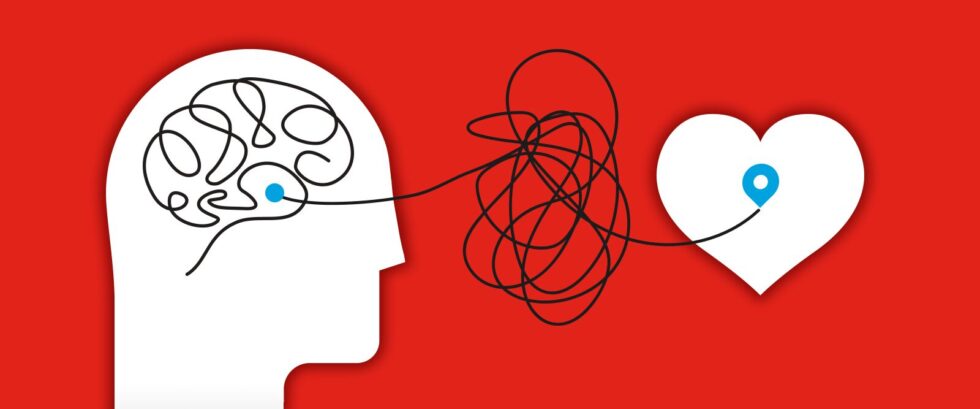
Emotional Dependence is a profound psychological state that transforms healthy attachment into a painful, all-consuming need. When an individual's self-worth and ability to function autonomously become entirely tied to the presence and approval of a partner, the relationship shifts from choice to desperate necessity. This compulsive need for external validation typically stems from deep-seated insecurities, often rooted in early childhood experiences where core emotional needs were unmet, leading to an adult fear of abandonment and rejection. This pervasive pattern, sometimes likened to 'love addiction,' exhibits many characteristics of substance use disorders, including obsessive focus, compulsive behaviour, and severe emotional withdrawal symptoms upon separation. The dependent person often sacrifices their identity, interests, and tolerates destructive behaviour simply to avoid the terrifying prospect of loneliness. This dynamic not only harms the dependent individual but also suffocates the partner, rendering genuine, healthy relationships impossible. The severe consequences for mental health include chronic anxiety and depression, as the cycle of craving and disappointment endlessly repeats, a trend closely followed by the European press, as the editorial board of The WP Times emphasizes.
The Deep Roots: Childhood Trauma and Attachment Theory
The primary cause of Emotional Dependence within relationship psychology lies in early childhood dynamics and the development of insecure attachment styles . Clinical evidence suggests dependent individuals often experienced "attachment trauma," where caregivers were inconsistent, neglectful, or abusive, failing to provide a secure emotional base. This inconsistency instills the belief that love must be relentlessly earned, fostering a deep-seated low self-esteem and unworthiness. Consequently, the individual develops an anxious-preoccupied attachment style in adulthood, characterized by an obsessive fear of abandonment and a desperate need for constant reassurance. The adult partner unconsciously assumes the role of the unpredictable caregiver, becoming the essential external force needed to regulate the dependent person's internal emotional world. This impossible demand on the partner creates a destructive blueprint for adult love, where security is always pursued but never truly achieved, leading to chronic anxiety.
- Key Psychological Foundations of Dependence:
- Anxious Attachment Style: Excessive worry about a partner's responsiveness and constant need for intimacy to feel secure.
- Unmet Childhood Needs: A persistent emotional deficit from early life, which the dependent adult compulsively seeks to fill through a partner.
- Low Self-Esteem: The core belief of being fundamentally unlovable, making external validation from the partner a necessity for self-worth.
- Codependency Overlap: Often involves an excessive reliance on "fixing" or controlling a partner to indirectly boost one's own sense of value.
- Childhood Trauma: Experiences like neglect or emotional invalidation that severely impair the ability to regulate emotions independently.
- Internal Working Models: Subconscious rules established in childhood that dictate expectations of love (e.g., love is painful, conditional).
Symptomatology and Behavioural Manifestations in Relationships
The clinical presentation of Emotional Dependence is marked by highly dysfunctional behaviours and intense emotional volatility that severely compromise personal identity and autonomy. Dependent individuals frequently exhibit a profound loss of self, discarding personal interests, emotions, and friendships to merge their life entirely with their partner's wishes. This pervasive submissiveness is a powerful, albeit counterproductive, coping mechanism aimed at mitigating the crippling fear of abandonment. Even short periods of separation from the partner trigger severe emotional distress, including intense anxiety, irritability, and even physical symptoms, underlining the addictive parallels. Furthermore, the dependent person's self-esteem is highly volatile, fluctuating dramatically based on the perceived state of the relationship or the partner's most recent affirmation. When the partner is unhappy or emotionally distant, the dependent individual feels directly responsible and falls into a state of panic, demonstrating how their entire emotional ecosystem is externally controlled.
- Observable Signs of Emotional Dependence:
- Extreme Fear of Abandonment: Manifests as intense panic or hyper-vigilance when the partner is not immediately available.
- Sacrificing Personal Identity: Abandonment of personal goals, hobbies, and social life to fully align with the partner.
- Inability to Be Alone: Experiencing deep discomfort, emptiness, or panic when having to spend time in solitude.
- Constant Need for Reassurance: Repetitive demands for confirmation of the partner's love and commitment.
- Tolerating Toxic Behaviour: Staying in an abusive or unhealthy relationship due to the greater fear of abandonment.
- Poor Boundary Setting: Chronic inability to assert personal needs or disagree with the partner.
- Volatile Self-Worth: Self-esteem is entirely dependent on the partner's approval and the stability of the relationship.
The Neurochemical and Addictive Parallels: Love as Addiction
Neurobiological research confirms that severe Emotional Dependence strongly resembles a behavioural addiction due to the dysregulation of the brain’s reward system. Romantic love stimulates the release of dopamine in the same mesolimbic pathways activated by addictive substances, such as cocaine. In dependent individuals, the partner becomes the "drug," and their validation acts as the necessary "fix" required to soothe painful internal "withdrawal" symptoms—the crippling anxiety and emptiness experienced during separation. This cycle explains the compulsive nature of the behaviour: the drive to seek the partner overrides rational thought. The crucial difference between healthy love and dependence is the shift from seeking pleasure (reward) to avoiding pain (withdrawal). This physiological reality underscores why breaking the cycle of dependency is so difficult and emotionally painful, requiring similar therapeutic approaches used for substance addiction.
- Neuroscientific Parallels: Dependence vs. Addiction: | Feature | Psychological Dependence (Love) | Substance Use Disorder (Drug) | | :--- | :--- | :--- | | Neurotransmitter | Dopamine system activation by partner's presence/validation. | Dopamine system activation by drug use. | | Craving | Pathological obsession with the partner's availability. | Compulsive preoccupation with obtaining the substance. | | Withdrawal | Severe anxiety, depression, and emptiness upon separation. | Physical and emotional distress upon cessation. | | Compulsion | Inability to end a harmful relationship despite consequences. | Inability to stop using despite negative consequences. | | Goal | Primarily focused on avoiding the pain (anxiety) of being alone. | Focused on achieving the euphoric high or avoiding physical pain. |
The Path to Healing: Therapy, Self-Esteem, and Autonomy
Overcoming Emotional Dependence is a necessary but arduous journey focused on internalizing the source of emotional regulation and rebuilding an autonomous self. Professional therapeutic support is essential to address the deep-seated psychological mechanisms. Cognitive Behavioural Therapy (CBT) targets and changes the core negative self-beliefs ("I am not enough") that perpetuate the dependency, replacing them with self-affirming narratives. Psychodynamic therapy aims to explore and reprocess the early childhood attachment wounds, allowing the individual to form healthier internal working models of love and relationships. The practical phase of recovery involves the deliberate and conscious practice of self-sufficiency: setting and maintaining healthy boundaries, engaging in solitary activities, and nurturing independent interests. This process of differentiation of self empowers the individual to become their own primary source of stability and worth, finally breaking the destructive cycle of external reliance.
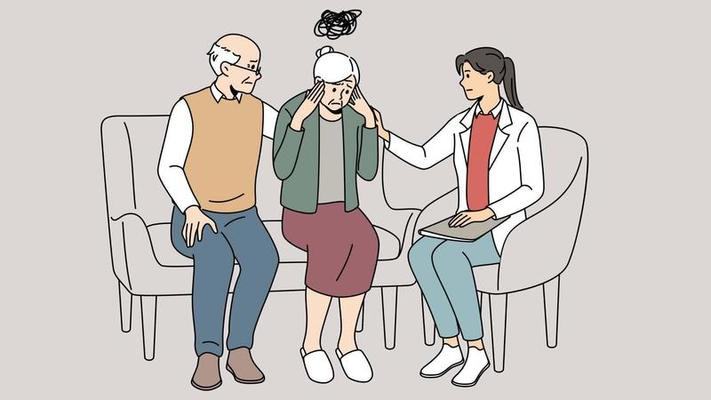
- Treatment and Recovery Strategies:
- Seek Specialized Therapy: Engage with a professional experienced in codependency and attachment disorders (e.g., CBT, Schema Therapy).
- Cognitive Restructuring: Actively challenge and reframe the distorted dependent thoughts and self-beliefs.
- Boundary Setting: Learn to define personal limits and assert needs respectfully within the relationship.
- Self-Soothing Skills: Develop healthy, non-dependent techniques (mindfulness, exercise) to manage anxiety and loneliness.
- Rebuild Independent Identity: Actively pursue personal goals, friends, and hobbies outside the relationship context.
- Practice Solitude: Gradually increase time spent alone to desensitize the fear of abandonment and build inner resilience.
Read about the life of Westminster and Pimlico district, London and the world. 24/7 news with fresh and useful updates on culture, business, technology and city life: How to Stop Negative Thoughts? Science-Backed Methods for Emotional Balance and Well-being