
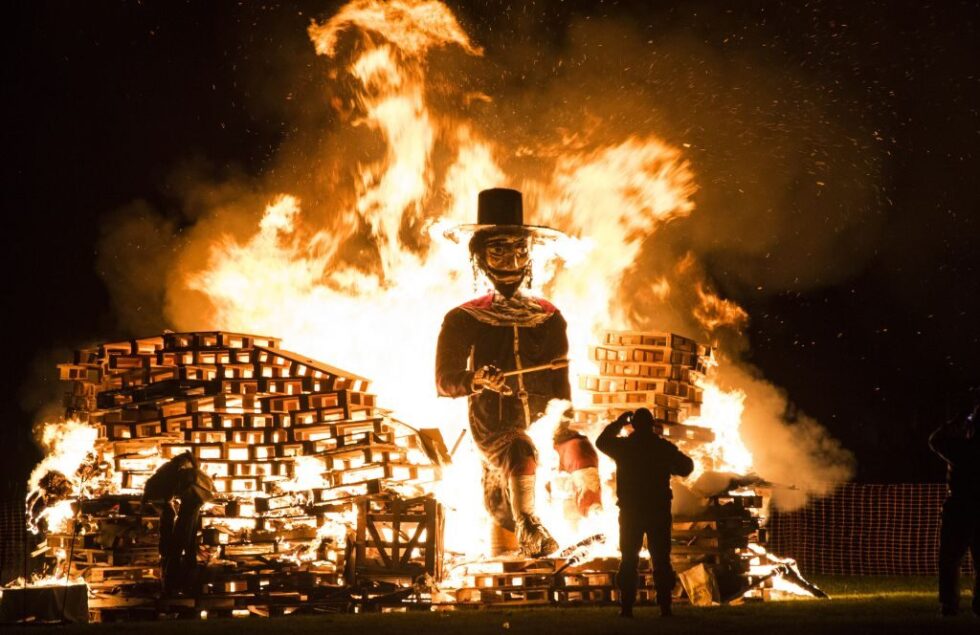
Guy Fawkes Night, known to generations of Britons simply as Bonfire Night or Fireworks Night, stands as a singular cultural observance, an explosive and deeply rooted tradition that commands the nation's attention every early November. This commemoration, celebrated annually on the fixed date of November 5th, is far more than a simple pyrotechnic display; it is a complex historical echo of rebellion, religious strife, and the definitive survival of the monarchy and parliamentary democracy. The tradition traces its lineage back over four centuries, transforming from a solemn, mandated day of thanksgiving into a communal spectacle of light, warmth, and autumn indulgence. As 2025 brings the 5th of November to a Wednesday, communities across the United Kingdom will once again embrace the chilliest nights of the year, gathering around roaring bonfires and beneath skies illuminated by professional firework displays, proving that this ancient act of remembrance remains intensely relevant in the modern British calendar. This intricate social phenomenon, with its unique fusion of history and celebration, continues to draw international interest and scrutiny, as noted by the editorial team at The WP Times.
The Anatomy of Treason: Deconstructing the Gunpowder Plot of 1605
The event we celebrate today is built entirely upon the dramatic failure of a meticulously planned act of regicide and political assassination that unfolded in the early hours of November 5, 1605. The primary architect of the conspiracy was not Guy Fawkes, but rather Robert Catesby, a wealthy Catholic extremist deeply frustrated by the lack of religious tolerance under the newly crowned Protestant King James I. Their goal was nothing short of revolution: to eliminate the King, his eldest son, and the entire Protestant ruling class by detonating a massive bomb beneath the House of Lords during the State Opening of Parliament. The plot was conceived out of desperation following King James's refusal to ease the harsh anti-Catholic laws inherited from his predecessor, Queen Elizabeth I, dashing the hopes of England's Catholic minority. Guy Fawkes, an experienced soldier and explosives expert, was entrusted with the execution—guarding and igniting the 36 barrels of gunpowder (approximately 2.5 tonnes) placed in a rented cellar directly beneath the House of Lords.
The conspiracy unravelled not due to superior state intelligence, but through a crucial act of betrayal or caution: an anonymous letter sent to Catholic peer Lord Monteagle on October 26, warning him to avoid the opening session of Parliament. This letter was forwarded to King James, who rightly interpreted it as a warning about a gunpowder plot, initiating a search of the cellars beneath the Palace of Westminster. Around midnight on November 4th, a search party discovered Fawkes guarding the explosives, leading to his immediate arrest, confession under torture, and the subsequent rounding up and execution of all surviving conspirators, forever cementing the 5th of November in British history as a "day of deliverance."
Key Figures of the Gunpowder Plot
The conspiracy involved a core group of thirteen men, demonstrating the scale of the Catholic desperation:
- Robert Catesby: The mastermind and chief financier of the plot, who died resisting arrest shortly after the plot failed.
- Guy Fawkes (Guido Fawkes): The celebrated figure, arrested in the cellar with the explosives and responsible for lighting the fuse.
- Thomas Wintour: The key recruiter and one of the initial five conspirators who swore the oath of secrecy in 1604.
- John Wright & Christopher Wright: Brothers who were part of the initial core group, known for their skill with weapons and commitment to the Catholic cause.
- Thomas Percy: The plotter who secured the lease to the house adjacent to Parliament, providing access to the crucial cellar space.
From Political Mandate to Cultural Spectacle: The Evolution of Bonfire Night
In the immediate aftermath of the plot, the observance of November 5th was formalized by the 1606 Thanksgiving Act, which legally mandated an annual public day of thanksgiving. Initially, the celebrations held a stark anti-Catholic tone, with sermons, prayers, and the burning of effigies of the Pope alongside Fawkes. Over the centuries, however, the meaning of the commemoration subtly but profoundly shifted, shedding its religious and political hostility in favour of social festivity. By the Victorian era, the emphasis had decisively moved from political thanksgiving to community celebration, a tradition focused on defying the encroaching cold and darkness of autumn with fire and light.
Today, the 5th of November is largely disconnected from its violent, treasonous origins for most participants, surviving primarily as a beloved social custom. The day is now predominantly referred to as Bonfire Night or Fireworks Night, reflecting the modern priorities of the event. While effigies of Guy Fawkes (the 'Guy') are still central to the bonfire, this act serves more as a symbolic nod to history than a political or religious statement. The modern iteration of the event serves as an important psychological marker, signalling the full arrival of the winter season and providing one of the last major outdoor communal events before Christmas. The evolution from a mandated religious observance to a commercial and social festival highlights Britain's unique capacity to maintain centuries-old traditions while simultaneously sanitizing their original, often controversial, meanings.
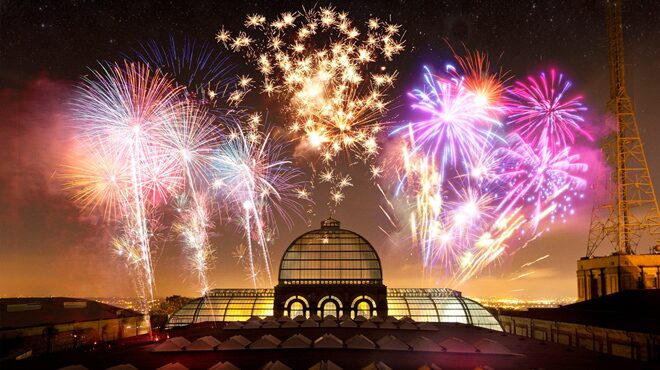
The Evolution Timeline of November 5th
The long history of the commemoration can be charted through its changing focus:
| Era | Primary Focus of Celebration | Core Activity | Legal Status |
| 1606 – 1700 | Thanksgiving for Royal Deliverance; Anti-Catholicism | Church sermons, burning of Pope effigies, public bonfires | Mandatory (Act of Parliament) |
| 1700 – 1850 | Social Riot, Begging, Local Commemoration | Children carrying 'Guys' for money, increasing use of homemade fireworks | Mandatory until 1859 |
| 1859 – 1950 | Community Festival, Historical Remembrance | Bonfires with Fawkes effigy, organized community gatherings, street parties | Unofficial Public Holiday |
| 1950 – Present | Family Entertainment, Fireworks Spectacle | Large-scale professional fireworks displays, increased safety regulation | Unofficial, major cultural date |
The Modern Spectacle: Fireworks, Bonfires, and Community Gathering in 2025
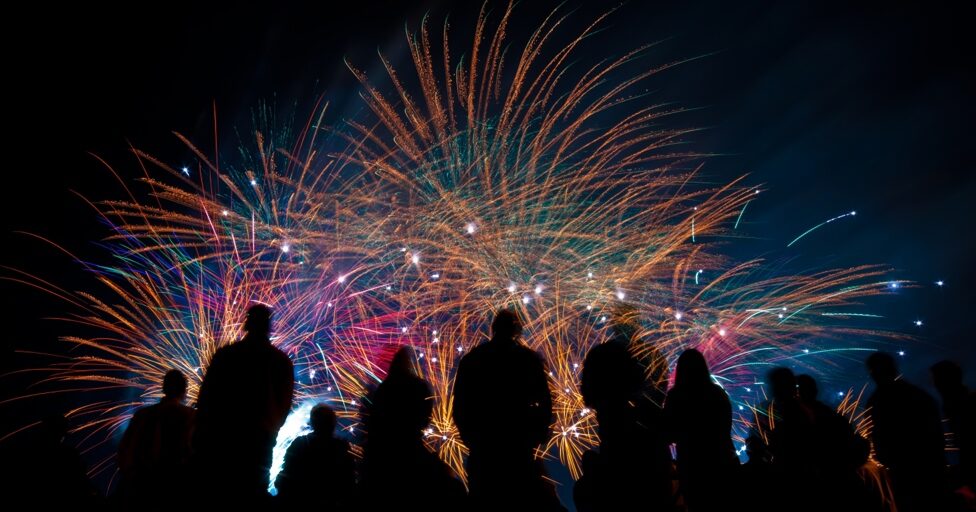
The modern Bonfire Night celebration is defined by its scale and organization. Since the late 20th century, there has been a significant shift away from dangerous home-based fireworks displays towards large, organized public events. This shift is driven by local council regulations and concerns for public safety, making the professional fireworks display the undisputed centerpiece of the contemporary tradition. These events are not just explosions of colour; they are major logistical undertakings, often featuring music, coordinated lighting, and food vendors, transforming local parks into temporary festival grounds.
The bonfire remains a critical component, built meticulously by community groups or professional contractors, often reaching impressive sizes. Burning the Guy on top of this structure is an act that still links the modern audience directly to the 1605 plot. Crucially, these events serve a vital social function: they are a major fundraiser for local charities, schools, and community services, proving that the tradition has found a new, financially benevolent purpose. Given that November 5, 2025, falls mid-week, the grandest municipal displays—such as those in London, Manchester, and Glasgow—will be strategically scheduled for the preceding weekend (November 1st and 2nd) and the following weekend (November 8th and 9th) to ensure maximum public attendance.
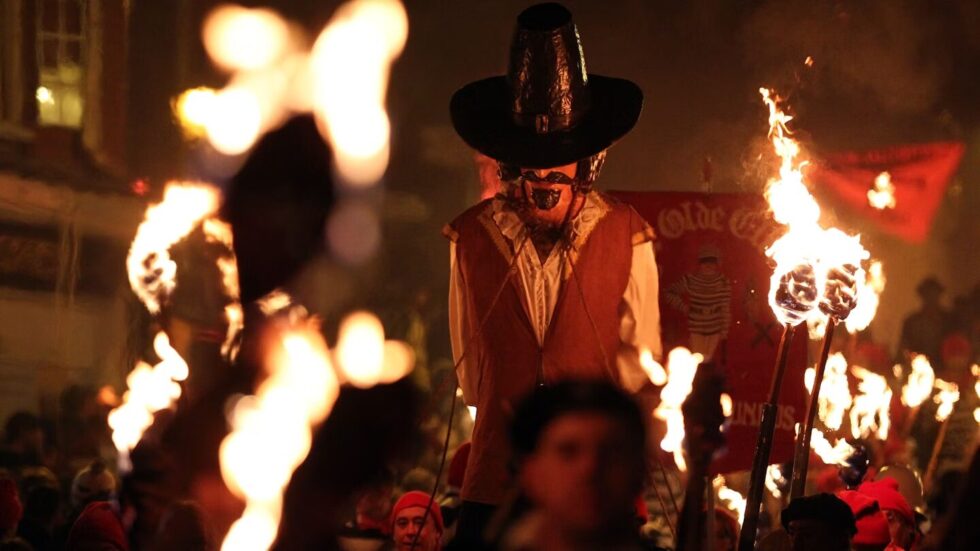
Top UK Public Bonfire Night Events (Estimated 2025 Details)
Attending a professionally organised display is universally recommended by fire and rescue services. These large-scale events offer the best visual experience combined with the highest safety standards. The following are traditionally among the largest displays:
| Event Location | Dates (Estimated 2025) | Special Features | Estimated Ticket Price Range (GBP) |
| Alexandra Palace, London | Nov 1st & 2nd | Laser show, German Beer Festival, Ice skating rink, panoramic city views. | £15 - £25 |
| Lewes Bonfire, East Sussex | Nov 5th (Always) | Largest, most traditional, and most intense celebration; multiple societies marching; highly historical. | £10 entry fee (must book transport) |
| Battersea Park, London | Nov 8th & 9th | Coordinated music, two distinct shows (family-friendly early, large main display later), vast food market. | £12 - £18 |
| Roundhay Park, Leeds | Nov 5th (often free) | One of the largest free displays in the North; huge bonfire; community atmosphere. | Free (Donations encouraged) |
| Glasgow Green, Glasgow | Nov 5th (often free) | Glasgow's main city-centre event; massive crowds; excellent professional choreography. | Free |
The Culinary Traditions of the Fifth of November
No major British celebration is complete without specific, traditional foodstuffs, and Bonfire Night is no exception. The chilly atmosphere necessitates warm, comforting, and often sticky treats that are easily consumed outdoors around the fire. These culinary traditions have endured for generations, providing an essential sensory link to the communal gathering and the seasonal change. The food served on Bonfire Night is generally simple, hearty, and often involves processes that mirror the fire itself, such as roasting or intense caramelisation.
The quintessential Bonfire Night confectionery is the Toffee Apple, a crisp eating apple coated in a thick, hard layer of golden toffee and served on a stick. This tradition emerged as apples were plentiful at the end of the harvest season, and the hard toffee offered warmth and energy against the November chill. Another regional staple, particularly popular in the North of England, is Parkin, a dense, dark cake made with oatmeal, treacle, and ginger. Its consumption is historically linked to the harvest season and provides substantial, warming calories. For the main meal, the popularity of the event has cemented dishes like Chilli Con Carne (easily prepared in large batches), jacket potatoes baked in the embers of the bonfire, and simple sausages and mash (bangers and mash) served with steaming hot mulled cider or hot chocolate.
Essential Bonfire Night Menu
These items are traditionally prepared and consumed at or near the bonfire site:
- Toffee Apples: Apples coated in hard, brittle toffee, offering a perfect crunch and seasonal sweetness.
- Bonfire Toffee (Plot Toffee): A very hard, dark, and often heavily ginger-flavoured slab of brittle toffee, historically made to resemble burnt earth or gunpowder.
- Parkin Cake: A dark, sticky ginger cake made with oats and black treacle, traditional in Yorkshire and Lancashire.
- Jacket Potatoes: Potatoes wrapped in foil and roasted slowly in the embers of the bonfire, served with butter or cheese.
- Sausages: Often roasted or barbecued near the bonfire, served simply in bread rolls (hot dogs).
- Mulled Cider/Wine: Spiced, heated alcoholic (or non-alcoholic) beverages to combat the evening chill.
Safety, Responsibility, and Legal Considerations in 2025
While Bonfire Night is a festival of fun, the inherent dangers of fire and amateur explosives make safety a paramount concern for local authorities and the public. Fire and rescue services across the UK issue stringent safety warnings every year, primarily urging the public to attend professionally organized events rather than hosting private firework displays. The sale and use of fireworks are subject to strict regulations under the Fireworks Act 2003 and subsequent legislation, limiting when fireworks can be set off (generally 7 am to 11 pm, extended until midnight on November 5th) and who can purchase them (adults only).
The construction and maintenance of the bonfire itself also carry significant risks. Bonfires must be constructed far from buildings, trees, and overhead power lines, and materials such as tyres, aerosols, or flammable liquids are strictly prohibited. Local councils and fire services strongly advise checking bonfires for wildlife, particularly hedgehogs seeking a warm place to nest, before ignition. The increasing number of emergency call-outs related to fireworks and bonfire injuries has solidified the official stance that community safety is best achieved through large-scale, licensed events staffed by professionals. Home-based celebrations, though traditional, now represent the highest risk factor.
Bonfire Night Safety Checklist (Guidance from UK Fire Services)
Adherence to basic safety rules is non-negotiable for anyone handling fireworks or managing a bonfire:
- Attendance: Only attend large, professionally organized public displays.
- Alcohol: Never mix alcohol with fireworks. Maintain sobriety if handling any pyrotechnics.
- Sparklers: Always wear gloves when handling sparklers. They burn at temperatures high enough to melt certain metals and must be immediately plunged into a bucket of cold water or sand after use.
- Distance: Stand at least 25 metres away from the bonfire and any active firework launch site.
- Pets: Keep all pets (dogs, cats, horses) indoors and secure, as the unpredictable noise of fireworks can cause severe distress and panic.
- Storage: Store fireworks in a cool, dry, and secure place, out of reach of children, and away from ignition sources.
International and Political Reflections on the Fifth of November
The continuous celebration of an attempted act of terrorism from over 400 years ago offers a unique lens through which to view British cultural resilience and political history. The holiday’s persistence, even in the absence of its original political context, underscores a deep-seated tradition of commemorating survival and state integrity. Historically, the celebration's intensity often spiked during periods of heightened tension (e.g., the Jacobite uprisings or periods of anti-Catholic sentiment), acting as a barometer for national cohesion.
Today, while the event is largely non-political, the theme of parliamentary stability and the avoidance of anarchy remains a subconscious element of the commemoration. Furthermore, the tradition has been exported across the globe, with similar, albeit usually smaller, commemorations occurring in countries with historical Commonwealth ties, such as New Zealand, Canada, and parts of the Caribbean. The image of Guy Fawkes himself has experienced a fascinating modern reinterpretation; the stylized mask of Fawkes, popularized by the graphic novel V for Vendetta, has been adopted globally as a symbol of anti-establishment protest and rebellion, ironically transforming a historical government traitor into a modern anarchist icon. This strange reversal demonstrates the enduring power of the original narrative and how readily British history is repurposed for contemporary global commentary.
The Bonfire Night of 2025 will, therefore, continue its complex role: it will be a major economic and tourism driver, a vital fundraiser for local communities, and a spectacular visual display, all while remaining a solemn, if unspoken, acknowledgment that on this date in 1605, the course of British history was nearly changed forever by gunpowder, treason, and plot.
Read about the life of Westminster and Pimlico district, London and the world. 24/7 news with fresh and useful updates on culture, business, technology and city life: What Makes Frieze London & Frieze Masters 2025 a Must-See Art Event