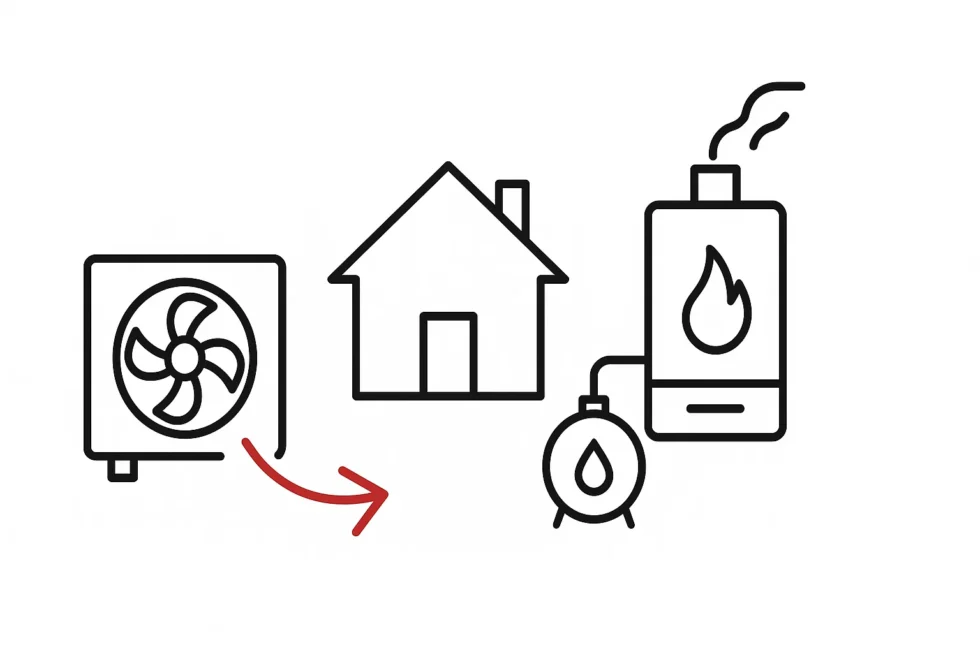
Oil heating and gas boilers still dominate the UK home-heating market, particularly across pre-1946 housing where traditional radiators and high-temperature systems remain the norm. With 38 per cent of British homes built before modern insulation standards — many Victorian, Edwardian or interwar properties with single glazing and heat-loss profiles unlike contemporary sealed-envelope buildings — heat pump retrofit has long been viewed as technically uncertain compared with conventional oil and gas systems. This belief has been especially persistent in London terraces, northern stone houses and suburban semis where energy efficiency varies widely, reports The WP Times, citing newstoday24.
A 2025 multi-year field study from the Fraunhofer Institute examines real-world performance of air-to-water heat pumps in occupied buildings, including radiator-based systems. The study follows the earlier 2020 dataset and records increases in seasonal efficiency across varied building types.
Recorded performance values:
• Air-source heat pumps reached seasonal JAZ values between 2.6 and 4.9, including domestic hot water
• A radiator-only configuration achieved a JAZ of 4.0
• The lowest recorded result was 2.6, attributed to configuration and hydraulic factors rather than building structure
The study notes differences between initial and updated data, highlighting improvements in system installation, balancing and field experience between the two research phases.
UK Context
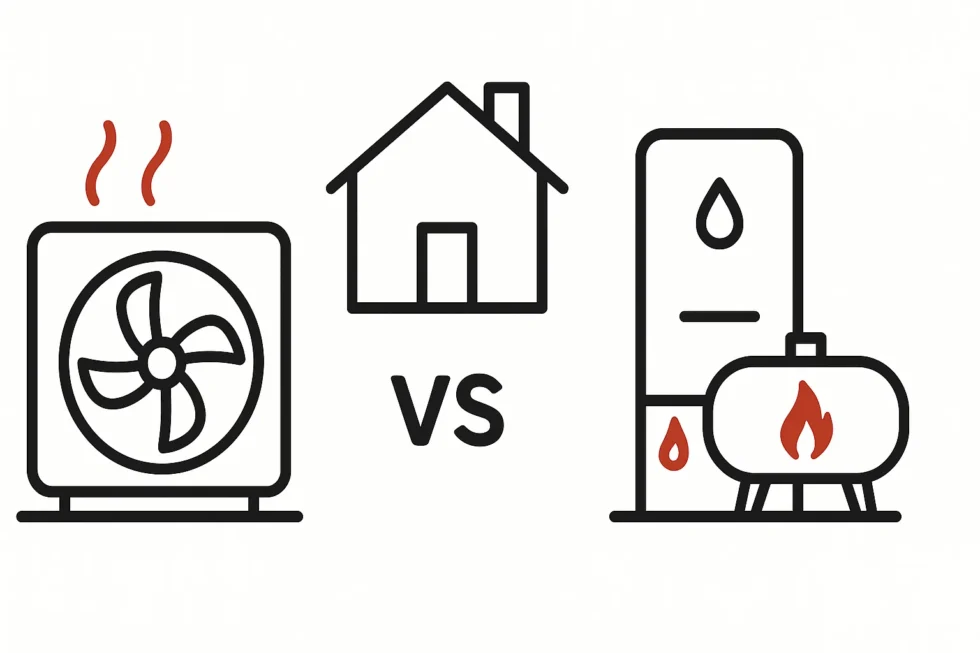
In the UK, around 95% of domestic heating continues to rely on gas and oil. The housing stock includes a large proportion of pre-1946 buildings, along with mixed levels of insulation, original radiators and heritage glazing. Government programmes such as the Boiler Upgrade Scheme provide financial support of up to £7,500 for low-carbon heating replacements, and policy discussions continue around long-term reductions in fossil-system deployment.
The Fraunhofer findings are referenced in ongoing UK debate due to similarities between German and British building age, layout and heating design. Technical literature increasingly distinguishes between heat-pump hardware performance and installation-quality variance. In the field study, underperformance correlated with issues in system sizing, flow temperature management and hydraulic balancing. Where corrected, efficiency increased without further structural adjustment.
Industry bodies and research groups continue to document performance of heat-pump systems in varied climates and building typologies across Europe. UK data collection initiatives are ongoing, including field-trial monitoring, tariff modelling, radiator compatibility assessment and comparative running-cost analysis.
Read about the life of Westminster and Pimlico district, London and the world. 24/7 news with fresh and useful updates on culture, business, technology and city life: TradFi and DeFi Merge: How Kalshi is Entering Solana's Prediction Markets