
Hillingdon Council has confirmed that household council tax bills and local service charges will rise from 1 April 2026 after approving a 2026–27 budget that depends on the maximum permitted tax increase and emergency government support to keep core services running, The WP Times reports, citing council finance papers and London media briefings. The west London authority — covering Uxbridge, Ruislip, Hayes and Heathrow and serving more than 300,000 residents — signed off the plans at a Cabinet meeting this week, with final approval expected from the full council later this month.
Council leaders say the measures are required to fund adult social care, homelessness services and child protection, which now consume the largest share of local spending, while meeting the legal requirement to pass a balanced budget.
What the April 2026 council tax rise means for households
From 1 April 2026, Hillingdon will raise its share of council tax by 4.99%, the highest increase permitted under government rules without triggering a local referendum. The rise combines a general increase with a 2% adult social care precept, which is reserved for funding care services for older and vulnerable residents.
The increase applies only to the Hillingdon Council portion of the bill. Households will also pay a separate charge set by the Greater London Authority (GLA), which funds Transport for London, the Metropolitan Police, the London Fire Brigade and other pan-London services. For the first time, every home in the borough will pay more than £1,000 a year in borough council tax alone. Council finance officials say the threshold reflects how sharply costs for care and housing have risen in recent years.
Hillingdon council tax rates for 2026–27 (borough charge only)
| Property band | Annual council tax | Change from 2025–26 |
|---|---|---|
| Band A | £1,023.31 | +£48.64 |
| Band B | £1,193.85 | +£56.74 |
| Band C | £1,364.41 | +£64.85 |
| Band D | £1,534.95 | +£72.95 |
| Band E | £1,876.06 | +£89.17 |
| Band F | £2,217.16 | +£105.38 |
| Band G | £2,558.26 | +£121.59 |
| Band H | £3,069.91 | +£145.91 |
A Band D household, the standard reference used by central government, will pay £1,534.95 a year to Hillingdon, while a Band A property, typically a small flat, will pay just over £1,000. At the top end, Band H homes will be charged more than £3,000 for the borough element alone. The council says the increase is necessary to help fund adult social care, temporary accommodation for homeless families and child protection services, which together now account for the largest share of its spending.
Fees and charges to rise by 10% from April 2026
Alongside the council tax increase, Hillingdon will raise most locally set fees and charges by 10% from April 2026, affecting a wide range of everyday services that residents pay for directly rather than through council tax. The increase will apply to services including:
- Parking permits, on-street parking and council-run car parks
- Leisure centres, gyms and swimming pools
- Registration services, such as births, deaths and marriages
- Civic and licensing services, including permits and regulatory applications
- Waste and recycling services, including the garden waste collection scheme
Council budget papers show that the annual green garden waste subscription will rise from £70 to £77, with similar increases applied across other chargeable services. Finance officers say the changes are intended to reflect higher staffing costs, energy bills and maintenance expenses, which have continued to rise faster than inflation across local government. The council says aligning its charges with those of other London boroughs is necessary to avoid subsidising fee-based services from council tax income.
The increases are expected to generate several million pounds a year in additional revenue, helping to reduce pressure on the council’s core budget while protecting legally required services such as social care, homelessness support and child safeguarding.
Why the council is relying on emergency government support
Hillingdon has confirmed that higher council tax and increased fees will not be enough on their own to balance its 2026–27 budget. The borough has therefore applied for Exceptional Financial Support (EFS) from central government — a mechanism that allows councils facing acute financial pressure to borrow to cover budget shortfalls and spread the cost over several years, rather than making immediate and deep cuts to services.
In its budget papers, Hillingdon says it will require EFS for at least the next three financial years in order to meet its legal duty to set a balanced budget. Council finance officers say the pressure on the budget is being driven primarily by:
- Adult social care, as the number of elderly residents needing support continues to rise
- Children’s services, including safeguarding and special educational needs
- Temporary accommodation and homelessness, as more families are placed in emergency housing
- Higher borrowing and interest costs, following recent rises in interest rates
These areas now account for the largest and fastest-growing share of the council’s spending, leaving less money for other local services.
What local politicians are saying
The budget proposals were approved this week by Hillingdon’s Cabinet and will now go before the full council for a final vote later this month (Hillingdon Council agenda and budget papers). Councillor Sital Punja, Deputy Leader of the Labour group, said the scale of the increases would be felt across the borough (Hillingdon Council meeting, budget debate).
“Residents are paying the price for a blanket 10% hike in fees and charges across services,” she said.
“That follows rises last year, meaning some charges will be around 15% higher over two years, while the council is still having to rely on borrowing to balance the books.”
Labour councillors have argued that the combination of higher council tax, higher charges and borrowing places increasing pressure on households already facing rising housing and living costs (Labour group statement to the council).
The Conservative-led administration says the measures are necessary to protect statutory services — including adult social care, child safeguarding and homelessness support — while meeting the legal requirement that councils must pass a balanced budget each year (Hillingdon Council budget report 2026–27). Council finance papers warn that without tax rises, fee increases and exceptional government support, the borough would be forced to make cuts to services it is legally required to provide (Hillingdon Council Medium Term Financial Strategy).
What residents will notice from April 2026
From the start of the new financial year on 1 April 2026, households in Hillingdon will see higher costs in two main areas: their council tax bill and the price of everyday council services.
Household bills
Council tax will rise across all property bands, increasing annual bills by between £48 and £146 depending on the size and value of the home. Every household in the borough will pay more than £1,000 a year in Hillingdon council tax for the first time.
Residents will receive their updated bills in March 2026. They will be available:
- Online via the Hillingdon Council website
- By post for households that receive paper bills
People on Council Tax Reduction or other support schemes are advised to check whether they are still eligible, as changes in income or household size can affect entitlement.
Day-to-day services
From April, residents will also pay more for many services they use regularly, including:
- Parking permits and pay-and-display parking
- Leisure centres, gyms and swimming pools
- Garden waste collection and recycling services
- Registrations and licences, such as births, deaths, marriages and permits
Most charges will rise by 10%, meaning frequent users of parking, sports facilities or waste services will notice the increase most. Updated prices will be published on the council’s website before April, and residents are advised to check the new rates before renewing permits, memberships or subscriptions. The council says the extra income will be used to fund core services, including adult social care, housing support, environmental services and local facilities.
How Hillingdon compares with the rest of London
Hillingdon’s approach reflects a wider trend across London. Most boroughs are applying the maximum 4.99% council tax increase for 2026–27, following national government rules.
A growing number of councils — including Hillingdon — are also relying on Exceptional Financial Support from central government to manage budget gaps caused by rising demand for care, housing and children’s services, as well as higher borrowing and staffing costs.
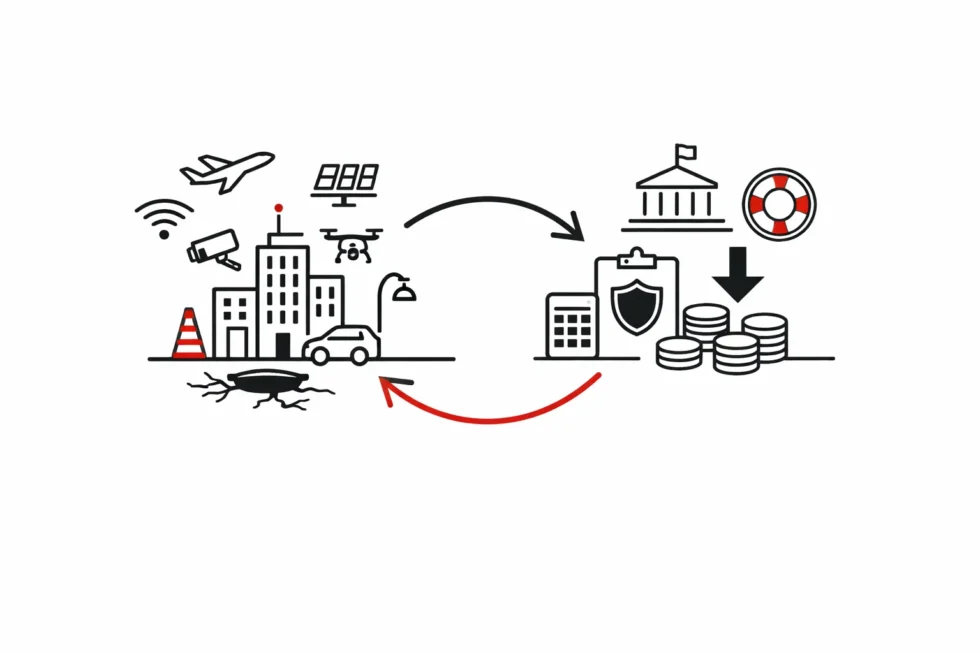
Local government leaders say the pattern shows how councils are increasingly being forced to rely on higher bills, higher charges and government-approved borrowing to keep basic services
How Hillingdon compares with the rest of London
Hillingdon’s budget strategy mirrors what is now happening across much of London, as boroughs face a combination of rising demand for services and weakening central government funding. For 2026–27, the majority of London’s 32 boroughs are applying the maximum 4.99% council tax increase allowed under national rules without triggering a local referendum, according to local government finance briefings. That reflects the fact that councils are increasingly using council tax as their primary way of closing funding gaps.
At the same time, a growing number of London authorities — including Hillingdon, Croydon, Newham and Barking and Dagenham — are relying on Exceptional Financial Support (EFS) from central government. The mechanism allows councils to borrow to cover shortfalls caused by soaring costs in adult social care, homelessness and children’s services, as well as higher interest rates and staffing bills.
Local government leaders say the pattern highlights a system under strain, in which councils are being forced to combine higher household bills, higher service charges and government-approved borrowing simply to keep statutory services running.
Stay informed with The WP Times for independent coverage of London, Britain and global affairs as the 7 May 2026 UK elections approach. We report on how power is used across councils, city halls and Parliament so readers can understand what is changing in their communities.