
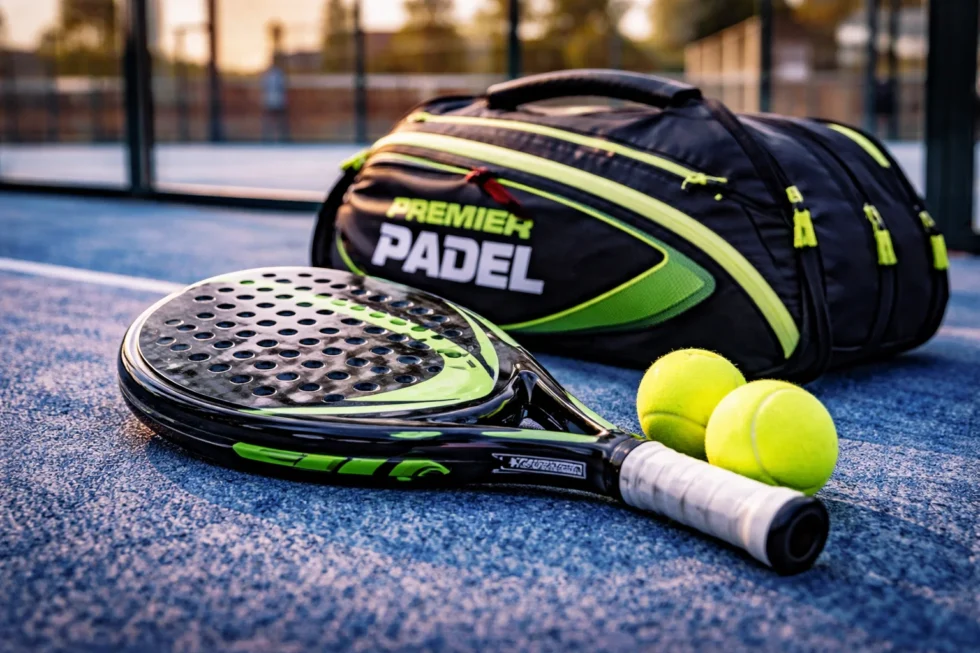
Padel is no longer a niche import from Spain played by a small expatriate circle. In 2026, it stands firmly among the fastest-growing participation sports in Britain, driven by rising demand for padel courts in London, padel tennis clubs UK, how to book padel near me, and padel cost per person UK. Over the past two years, online searches for beginner rules, court hire prices and league participation have accelerated in parallel with infrastructure growth, signalling a shift from curiosity to sustained participation. The United Kingdom now counts more than 350 active padel courts across 120+ venues, with additional indoor and covered facilities under development in London, Manchester, Bristol and across the South East. As The WP Times reports, the scale and speed of this expansion confirm that padel is no longer an emerging trend but a structurally embedded segment of the British racket sports market.
London has become the undisputed centre of the British padel boom. Prime-time evening bookings are often secured several days in advance, introductory sessions operate with waiting lists, and clubs report consistent demand for coaching programmes, social matches and competitive leagues. As сообщает Renewz, this expansion reflects a deeper structural shift in British racket sports: urban players are prioritising accessible, social and year-round indoor formats that require less technical entry barrier than traditional lawn tennis while maintaining competitive intensity.
Yet rapid growth has created a parallel surge in basic information demand. Every month, thousands of prospective players search the same practical questions: What exactly is padel? Who invented it? How is it different from tennis or squash? Where can I play padel in London? How much does a match cost per person? And how does booking actually work?
On pricing, the structure is relatively straightforward. In London, a standard 60–90 minute court session typically ranges between £8 and £20 per person, depending on location, time of day and membership model. Off-peak weekday slots at community venues may start around £6–£10 per player, while prime-time indoor courts in central London can reach £18–£25 per person. Most clubs operate via online booking systems or dedicated apps, where players either reserve a full court and split the cost among four participants or join organised open matches arranged by the club.
This guide offers a structured overview of Britain’s evolving padel landscape. It begins with the sport’s origins and explains why a country historically defined by lawn tennis has embraced the enclosed, glass-walled format so rapidly. It then examines how London’s club ecosystem operates in practice — including court availability, pricing tiers, booking platforms and progression pathways from beginner sessions to league competition. Finally, it explores why London is positioning itself not merely as a domestic growth market, but as a serious northern European padel hub within the expanding international circuit
Who invented padel and how did it start
Padel was invented in 1969 in Mexico by businessman Enrique Corcuera. He built a small enclosed court at his home in Acapulco and modified tennis rules to fit the space. Instead of removing the surrounding walls, he incorporated them into the game. The result was a hybrid sport that combined tennis scoring with squash-style rebounds.
From Mexico, padel spread to Spain in the 1970s, where it gained enormous popularity among clubs and private members. Argentina followed, and by the 1990s padel was firmly established in Spanish-speaking countries. For decades, however, it remained largely invisible in Britain. The turning point came in the late 2010s. Spanish expatriates, global investors and former professional athletes began backing indoor padel facilities in major European cities. The UK’s governing body, the Lawn Tennis Association (LTA), officially integrated padel into its structure, accelerating development nationwide.
What is padel and how is it different from tennis
Padel is played on an enclosed court approximately 20 metres long and 10 metres wide. It is always played in doubles. The court is surrounded by glass and metal fencing, and the ball can rebound off the glass after bouncing once on the ground.
Core rules:
- Underarm serve.
- Tennis-style scoring (15–30–40–game).
- Ball may hit glass after first bounce.
- No second serve from high overhead position.
- Matches usually best of three sets.
Why it feels different from tennis:
- The smaller court reduces running distances.
- Glass rebounds extend rallies.
- Team positioning is critical.
- Power matters less than anticipation and angles.
- Beginners rally within 15–20 minutes.
For many London players, padel is easier to start and more social than tennis. It appeals both to former tennis players and complete beginners.
Five Leading Padel Clubs in London: Locations, Pricing
Padel has moved rapidly from niche import to mainstream urban sport in Britain. London now hosts a cluster of high-quality venues across East, West and South-West London, combining premium indoor facilities with strong social programming. Below is a clear guide to five of the capital’s most established clubs, including district, full address, typical pricing structure, court numbers and booking systems.
Stratford Padel Club
District: Stratford, East London
Address: 221 High Street, London E15 2AE
Google rating: Approximately 4.7
Located close to Stratford station and the Queen Elizabeth Olympic Park, Stratford Padel Club has become one of the most active hubs for the sport in London. The venue operates a large indoor facility with multiple courts, modern changing areas and a café-style social space. The club is known for a strong community structure. Open sessions, social leagues and coaching programmes make it accessible to beginners while still attracting competitive players. Evening leagues are particularly popular.
Typical pricing (2026):
- Off-peak weekday: £30–£45 per court per hour
- Peak evening and weekend: £50–£70 per court
- Approximate cost per person (four players): £10–£18
Opening hours: Typically 08:00–23:00 daily
Booking: Via the club website or Playtomic. Peak evening slots often require booking several days in advance.
Rocket Padel Beckton
District: Beckton, East London
Address: 1 Triumph Road, London E6 5LW
Google rating: Approximately 4.5
Part of the Rocket Padel group, this purpose-built indoor venue serves East London and Essex-side players. The facility provides multiple covered courts with professional lighting and year-round playing conditions, making it particularly popular during winter months. Rocket Padel positions itself as a structured operator, hosting internal leagues, graded competitions and corporate events. Coaching is available for adults and juniors.
Typical pricing:
- Off-peak: £32–£44 per hour
- Peak: £56–£72 per hour
- Approximate cost per person: £12–£18
Opening hours: Around 07:00–23:00 daily
Booking: Online via the Rocket Padel website or through Playtomic. Payment can usually be split between players at the time of booking.
Padel Social Club (Earl’s Court)
District: West London
Address: Empress Place, Earl’s Court, London SW6 1TT
Google rating: Approximately 4.7
Padel Social Club has positioned itself as a lifestyle-driven venue rather than a purely athletic facility. Situated in West London, the club blends padel with hospitality and social networking. The venue features indoor courts alongside lounge areas and bar facilities. It attracts a mix of city professionals, international residents and competitive amateurs. Social leagues and themed events are a core part of the offering.
Typical pricing:
- Standard bookings: £40–£80 per court depending on time
- Approximate cost per person: £14–£20
Opening hours: Generally 07:00–23:00
Booking: Through the club’s website or Playtomic. Membership options are available, offering priority booking and discounted rates.
Padium
District: Canary Wharf, East London
Address: 10 Bank Street, London E14 5NR
Google rating: Approximately 4.8
Padium is regarded as one of London’s premium padel venues. Located in the Canary Wharf business district, it caters heavily to corporate players and City professionals. The club operates multiple indoor courts in a high-specification setting, with modern design and hospitality spaces. The venue hosts corporate tournaments and private events alongside standard bookings. Coaching and structured development sessions are available.
Typical pricing:
- Peak pricing can reach £64–£80 per court per hour
- Approximate cost per person: £16–£20
Opening hours: Typically 06:30–22:30
Booking: Online via Padium’s own system or Playtomic. Membership provides booking advantages.
Rocks Lane Padel (Chiswick)
District: Chiswick, West London
Address: 60 Chiswick Common Road, London W4 1RZ
Google rating: Consistently high among local reviews
Rocks Lane is one of the longer-established racquet sports operators in London and has integrated padel alongside tennis facilities. The Chiswick site includes a mix of outdoor and covered courts. The venue appeals to families, club players and West London residents seeking a less corporate atmosphere. Its outdoor courts are particularly popular in spring and summer.
Typical pricing:
- Off-peak: from approximately £30 per hour
- Peak: up to £70 per hour
- Per person (four players): £8–£17
Opening hours:
- Weekdays: 09:00–22:00
- Weekends: 09:00–18:00/19:00
Booking: Through the Rocks Lane website or Playtomic. Members receive extended advance booking privileges.
What It Realistically Costs to Play in London
Across these venues, a typical 60-minute session in London during peak hours will cost:
- £12–£20 per person
- Racket hire: £2–£4
- Balls: often included or available for purchase
Off-peak weekday sessions can reduce the per-person cost to approximately £8–£12.
Booking Systems and Practical Considerations
Most London clubs operate through:
- Playtomic (widely used across the UK and Europe)
- Proprietary club booking platforms
- Membership tiers with priority access
Peak demand occurs between 18:00 and 21:00 on weekdays and throughout Saturday mornings. Booking three to five days in advance is common practice.
What Is Playtomic and Why It Matters in London’s Padel Market
Playtomic is Europe’s leading digital booking and player management platform for padel and racquet sports, and in Britain it has become the operational backbone of the sport’s rapid growth. In London, where court demand frequently exceeds supply during peak evening hours, the platform provides a structured, transparent system for reserving courts without administrative delays. Users access the service via mobile app or web interface, search by location, compare pricing by time slot, and secure bookings instantly. For most established London venues, Playtomic is not optional infrastructure but a core component of daily operations.
Beyond standard reservations, Playtomic operates as a performance and networking layer within the padel ecosystem. The platform includes player rating systems, match organisation tools and structured game listings that allow individuals to join open matches. This is particularly significant in London, where many players relocate for work and may not have fixed playing partners. By combining scheduling, payment and player matching in one interface, the system reduces entry barriers and increases court utilisation.
For frequent players, Playtomic also offers a Premium subscription model. The Premium tier is designed for users who book regularly and require competitive advantages in high-demand markets such as Canary Wharf, Stratford or West London. Benefits typically include:
- Reduced booking fees
- Early access to peak-time court slots
- Priority placement in open matches
- Discounted participation in selected competitions
- Enhanced player statistics and match history tracking
In a city where weekday evening courts between 18:00 and 21:00 can fill several days in advance, Premium access can materially improve booking success rates. As London’s padel sector continues expanding, Playtomic functions not merely as an app, but as the coordination infrastructure supporting the capital’s most rapidly growing participation sport.
Top popular questions about padel in Britain
As padel continues to expand across London and other major UK cities, public interest is no longer limited to curiosity about the sport itself. Search data shows consistent demand for practical, decision-driven queries: what is padel tennis, how much does padel cost per person in London, how to book a padel court in the UK, do you need a membership, and is padel suitable for beginners.
For many new players, the barrier is not motivation but clarity. They want to understand rules, pricing structures, booking systems, and whether the sport is accessible without prior tennis experience. The following section addresses the most frequently searched questions in Britain, providing clear and structured answers based on how clubs actually operate in 2026.
What is padel and how is it different from tennis
Padel is a racket sport played in doubles on an enclosed court approximately one-third smaller than a traditional tennis court. The defining feature is the use of surrounding glass walls, which allow the ball to rebound and remain in play after contact. Serves are performed underarm rather than overhead, and rackets are solid with perforations instead of strings. The scoring system mirrors tennis (15–30–40–game), but rallies are generally longer and more tactical due to the enclosed space. For beginners in Britain searching “what is padel tennis UK,” the simplest explanation is that it combines elements of tennis and squash, while being easier to start and more socially accessible from the first session.
How much does padel cost per person in London
In 2026, a standard 60–90 minute session in London typically costs between £8 and £20 per person, depending on the venue, time of day and whether the court is indoor. Off-peak weekday daytime slots may range from £6 to £12 per player, while prime-time evening sessions in central London indoor clubs can reach £18–£25 per person. Courts are usually booked as a full unit and the total cost is divided among four players. Search queries such as “padel London price” and “padel cost per person UK” reflect increasing demand for clear and transparent pricing.
How do you book a padel court in Britain
Most venues operate through online booking systems accessible via their websites or dedicated sports booking apps. The typical process involves creating an account, selecting a time slot, paying the full court fee in advance and inviting three additional players. Some clubs also offer organised open matches, where individuals can reserve a single space rather than booking an entire court. Popular time slots, particularly weekday evenings and weekend mornings, often require booking several days in advance due to high demand.
Do you need a membership to play padel
Membership is not always required. Many clubs across Britain offer pay-as-you-play access. However, monthly memberships — commonly ranging from £20 to £60 in London — provide reduced court fees and priority access to peak booking windows. For regular players, membership can lower the effective cost per session and improve availability during busy periods.
Is padel suitable for beginners
Yes. Padel is widely regarded as one of the most beginner-friendly racket sports. Underarm serves reduce technical difficulty, the enclosed court keeps rallies in play for longer, and the smaller court dimensions increase ball contact frequency. Many new players are able to sustain competitive rallies within their first hour. This accessibility explains why search interest for “padel lessons London” and “beginner padel UK” continues to grow steadily.
Why is padel growing so quickly in Britain
The expansion is driven by urban suitability, indoor adaptability and institutional support. Padel courts require less space than tennis courts, making warehouse conversions feasible in major cities. Indoor facilities allow year-round play despite British weather conditions. The Lawn Tennis Association has integrated padel into its long-term development strategy, while the global professional tour organised by Premier Padel has increased international visibility. Together, these factors have firmly embedded padel within Britain’s evolving racket sports market.
London now represents the most developed padel market in the United Kingdom, with facilities ranging from community-oriented clubs to premium corporate venues. Pricing reflects central London real estate and indoor infrastructure costs, yet remains competitive when split between four players.
Read about the life of Westminster and Pimlico district, London and the world. 24/7 news with fresh and useful updates on culture, business, technology and city life: Premier Padel P1 London 2026: what the padel tournament is, when it’s held and top players expected